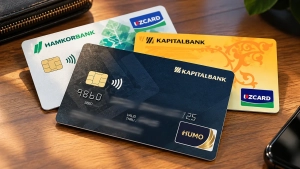



Subsidy payments have begun for participants in Uzbekistan's "Solar Home" program
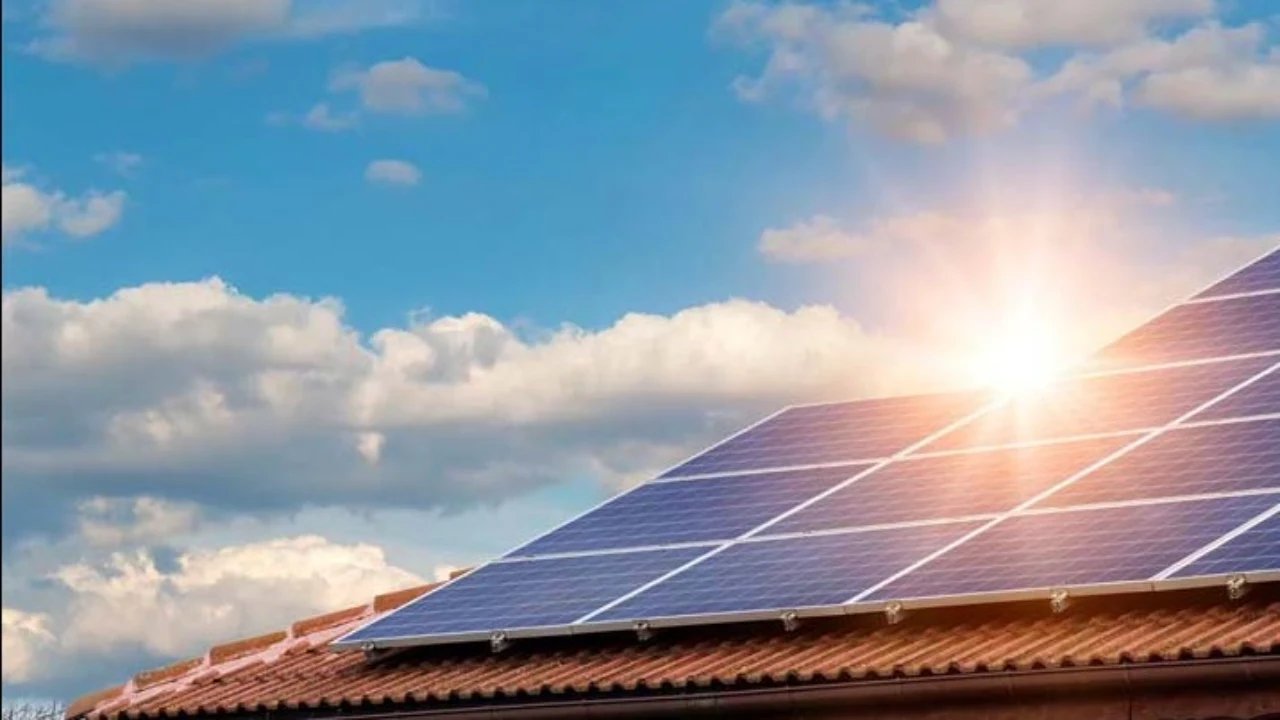
Subsidy payments under Uzbekistan’s “Solar Home” program have begun for participants. This was reported by Zamin.uz.
The Tax Committee confirmed that compensations for electricity fed into the unified grid in April–May 2026 will be transferred to citizens’ bank accounts. Earlier, some solar panel owners had complained about delayed payments.
According to official data, subsidies will be paid to a total of 60,193 individuals. The total amount of payments is 156.1 billion soums.
This sum was calculated based on the electricity generated by households and fed into the unified grid. In April–May, program participants collectively supplied 156.1 million kWh of electricity to the grid.
Thus, compensation is being paid to citizens based on the established subsidy rate per kilowatt-hour. The Tax Committee stated that the payment process has already begun.
Funds due to citizens are being transferred step by step to their bank accounts. Therefore, households awaiting payments for April and May can expect to receive the money soon.
The “Solar Home” program aims to encourage the population to use renewable energy sources. Citizens who install solar panels on their homes can sell excess electricity they produce beyond their own needs to the unified grid and receive subsidies for it.
On one hand, the program creates an additional source of income for the population; on the other, it helps reduce the load on the power system. In short, the sun is shining — and now the payments are moving too.
This program is considered an important step in providing financial assistance to citizens, improving energy efficiency, and protecting the environment. The widespread installation of solar panels in Uzbek homes and apartments plays a major role in changing energy consumption patterns.
Program participants include owners of private homes, garden plots, and small farms. By actively participating in electricity generation, they contribute to the country’s energy security.
The subsidy amount is fixed per kilowatt-hour, ensuring a fair and transparent payment system. Payments are automatically transferred to bank accounts, making it convenient for citizens.
For this, the Tax Committee cooperates with banks and energy companies. As a result of the program, energy expenses will decrease over the years, household incomes will rise, and carbon emissions will fall.
Such initiatives lay the foundation for the growth of renewable energy sources in Uzbekistan. The “Solar Home” program gives citizens the opportunity to turn their homes into energy stations.
Here, electricity is produced, consumed, and the surplus is sold to the state grid. In this way, every home functions both as an energy source and a consumer.
With the program’s widespread adoption, Uzbekistan’s energy system will become more stable and balanced. Citizens will come to see themselves as active participants in energy production.
This ensures that society gains both ecological and economic benefits. The continuation of the program guarantees access to future innovations in the energy sector.
In cooperation with Uzbekistan’s “Green Energy” strategy, the role of the “Solar Home” program will grow stronger. Each year, thousands more homes are equipped with solar panels.
This strengthens the country’s position as an energy producer. Program participants share their experience with others, thus accelerating the process of community learning.
Citizens learn to manage energy payments, achieve efficiency, and attain financial independence. In this way, the “Solar Home” program is not only significant in the energy sector but also serves as a means of societal renewal.
It fosters a spirit of responsibility, innovation, and sustainable development among the population. During the program, each payment is not a test for citizens, but rather a sign of trust and support.
This is regarded as a successful stage in Uzbekistan’s energy revolution. In the future, the program will be expanded, improved, and serve as an example for others.
Every solar panel — is energy, is life, is the future. Now, they are also supported by payments.
This is something everyone should know. The program fully achieves its goal.
Citizens work with energy under comfortable, convenient, and beneficial conditions. Here, the state and the people work together.
Energy efficiency is not just technology — it is a social movement. The “Solar Home” program is considered part of this movement.
It strengthens the faith of the Uzbek people in energy independence and a green future. Each payment is an amount invested into the future.
Now this amount returns to the citizens. And this return — is truly sunny.