


SpaceX company has again launched 29 artificial satellites into space
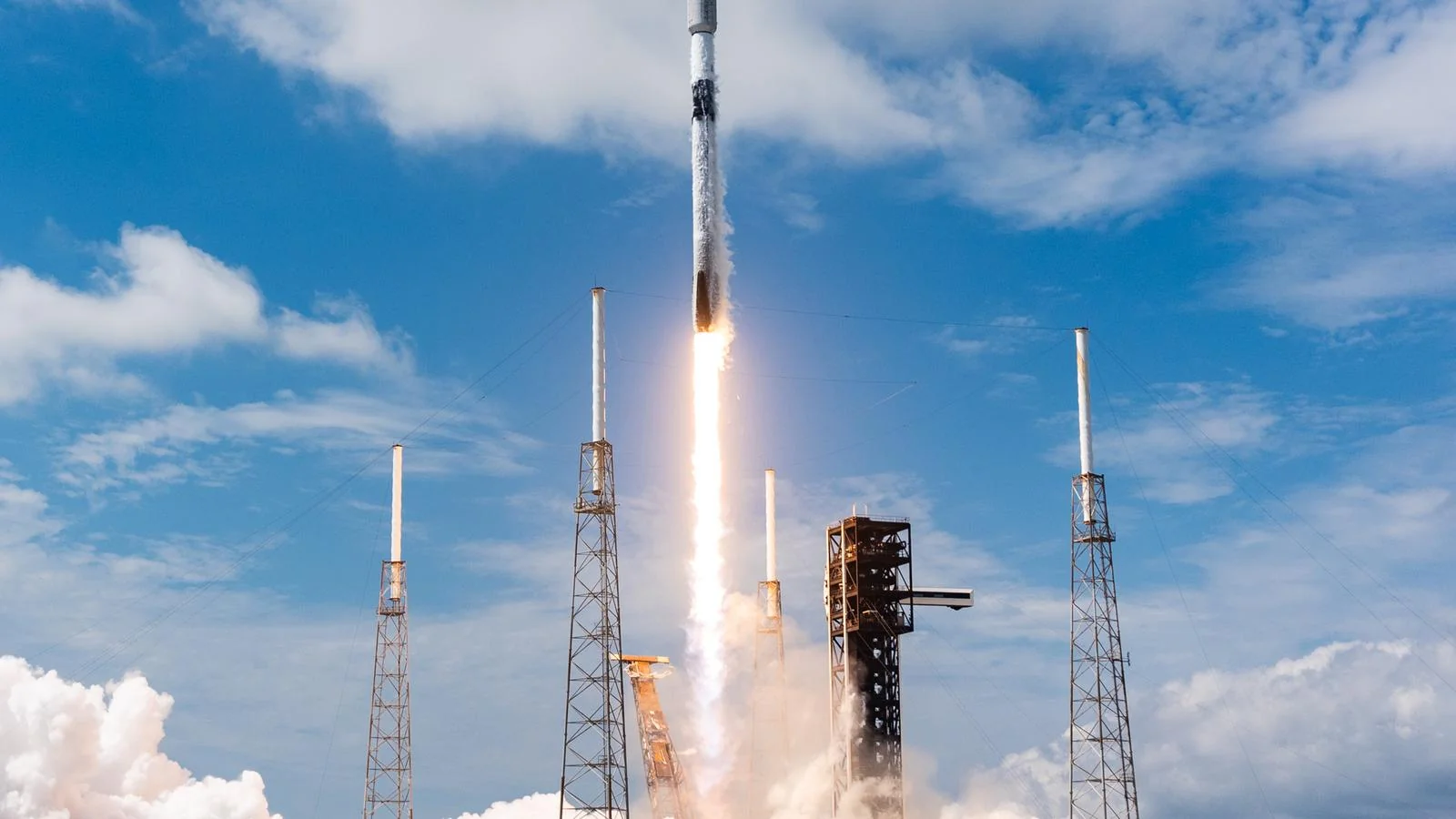
SpaceX successfully launched another batch of 29 Starlink satellites into orbit using its Falcon 9 rocket, marking another milestone in the company’s ongoing mission to expand global internet coverage.
The launch contributes to the growth of SpaceX’s satellite constellation and reinforces its leadership in reusable launch technology and space accessibility.
The mission lifted off from Cape Canaveral Space Force Station in Florida. Originally scheduled for August 20, the launch was delayed due to technical checks, with a second attempt on August 21 proceeding successfully.
Following additional inspections and preparations, the Falcon 9’s first stage—identified as B1078—completed its 30th flight, delivering the payload to orbit before landing smoothly on a drone ship in the Atlantic Ocean. This achievement highlights the reliability and cost-effectiveness of SpaceX’s reusable rocket systems.
Booster B1078 has previously supported significant missions, including the Crew-6 mission that transported astronauts to orbit, launches of international communications satellites, and classified flights for the U.S. military.
Of its 30 flights, 23 have been dedicated to deploying Starlink satellites, underscoring the booster’s critical role in expanding the constellation.
Orbital Constellation Growth and Statistics
According to independent astronomical observations and tracking data, the Starlink network currently comprises nearly 11,000 active satellites in low Earth orbit.
With each launch, SpaceX steadily increases this number, bringing high-speed internet access to even the most remote regions of the planet.
So far this year, the company has conducted 101 orbital launches, the majority of which were Falcon 9 missions focused on populating the Starlink constellation.
The remaining launches involved heavy-lift vehicles and test flights for next-generation systems.