


AI-powered digital assistants for doctors are becoming commonplace in the US
The market for AI-powered note-taking devices is rapidly expanding in the United States. This was reported by Zamin.uz.
According to a report from Menlo Ventures, a well-known analytical center in the field, this sector generated over sixty million dollars in revenue last year. Currently, new projects such as Heidi Health and Freed have achieved significant success in creating digital assistants that serve primarily doctors, record conversations with patients, and streamline administrative tasks.
However, these technological tools are more tailored to medical staff, and solutions that are directly convenient for patients themselves were not sufficient. New initiatives are being undertaken to change this situation.
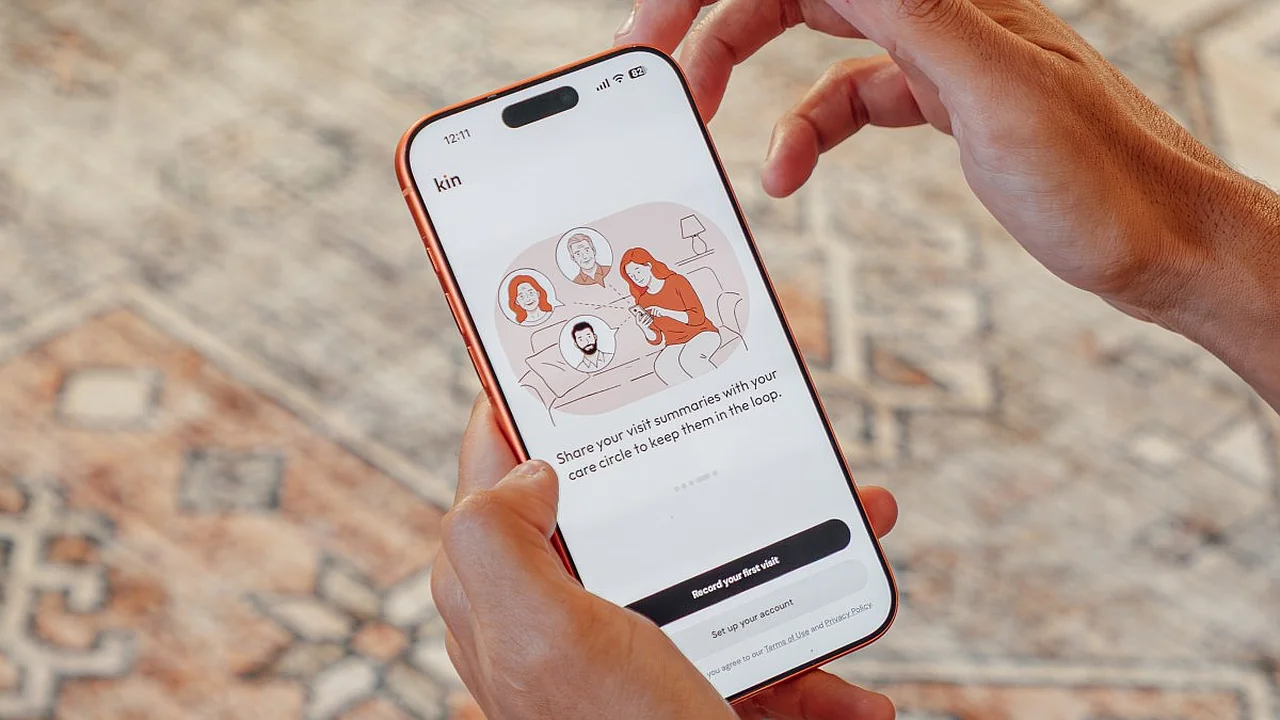
A new startup called Kin Health has successfully raised nine million dollars in a funding round involving major investors to develop a mobile application specifically designed to meet patients' needs. This software fully records the doctor appointment process and, after the visit, prepares a clear summary of the conversation using artificial intelligence along with recommendations for future steps to be taken.
Patients can easily share this information with their family members or create a list of questions needed for their next medical check-up. Special attention has been paid to ensuring the security of users' personal data by the founders Arpan Parikh, Amit Parikh, and Kyle Alwyn.
The Kin Health team guarantees that all medical information is encrypted using special codes and the prepared summaries are stored with privacy settings visible only to the user. Although this app does not yet have international certifications regarding medical data security, it aims to meet the highest security standards as a service directly targeted at consumers.
Nevertheless, industry specialists and experienced doctors emphasize the importance of being extremely cautious when using artificial intelligence in the healthcare system. Issues such as the degree of accuracy of information, correctly understanding various accents and pronunciation forms, and the possibility of technical errors remain relevant concerns.
Although Kin Health specialists are continuously working to ensure high accuracy even in complex situations, experts remind that notes prepared by artificial intelligence should still be reviewed and approved by qualified doctors. This technology should not replace human labor entirely, but rather serve as an assistant to it.