




He delayed signing the order to test artificial intelligence
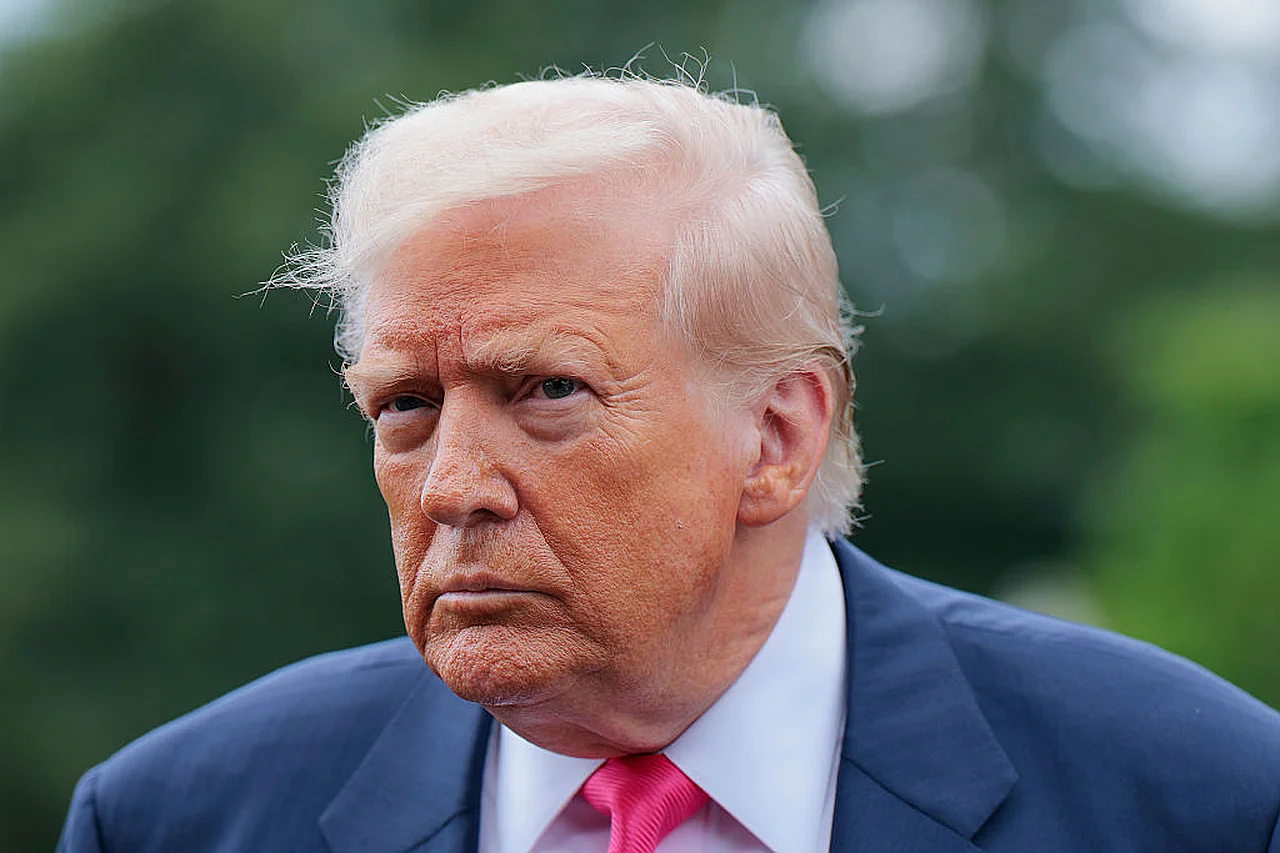
U.S. President Donald Trump has delayed signing an executive order that would require mandatory government review of artificial intelligence systems before their public release, according to Zamin.uz.
The head of state said the current version of the document was unacceptable to him and that he did not want to undermine the country’s leadership in this field. International technology publications reported on the decision.
In a conversation with White House press officials, Trump openly stated that certain aspects of the order did not align with his views. He emphasized that the United States has already fallen significantly behind China and other competing nations in the race for artificial intelligence.
The president stressed that maintaining this advantage is crucial and that any step that could hinder development must be avoided. According to unofficial sources, the delay in issuing the order was due not only to substantive objections but also because the leaders of leading technology companies were unable to travel to Washington at the scheduled time.

Similar news
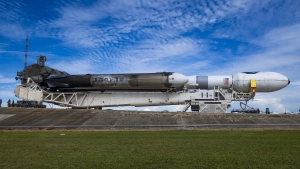
SpaceX brings Falcon Heavy rocket to the field for the MaxFiy mission
SpaceX company transported the Falcon Heavy rocket to the LC-39A launch pad at the Kennedy Space Center via transport. One.uz reports this. This operation is considered a critical stage in the

<|channel>.OpenAI GPT-6.1 Astra model cancels the comprehensive presentation
OpenAI planned to release the GPT-6.1 Astra model for public use. One.uz reports this. The model was announced as OpenAI's next-generation neural network, and its presentation was scheduled to take
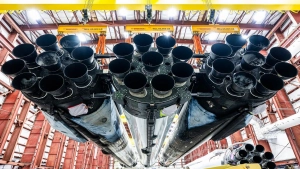
Falcon Heavy rocketation announced with record frames
Unique footage of SpaceX's Falcon Heavy rocket has been released,uz. The materials show 27 Merlin engines installed on the rocket body, which consists of three combined Falcon 9

TCL Corporation Sues Samsung for False Advertising
Xitoyning yirik texnologik korporatsiyasi TCL AQSH federal sudiga Samsung Electronics America kompaniyasiga qarshi rasmiy daʼvo ariza kiritdi. Kaliforniya markaziy
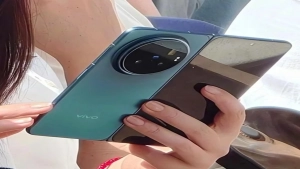
Vivo X Fold 6 will launch its global version on October 1
The Vivo company has officially announced the international launch date of its next-generation foldable smartphone — the Vivo X Fold 6. One.uz reports this. According to insider Abhishek Yadav, the

TakeMe2Space will launch the MOI-1A satellite with SpaceX in October 2026
Indian spacetech startup TakeMe2Space is preparing to launch the country's first orbital computing satellite on October 1, 2026, One.uz reports. The MOI-1A device, weighing less than 50 kilograms,