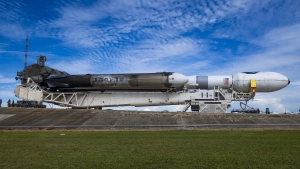



Launching new artificial companions into Earth orbit to compete with Starlink
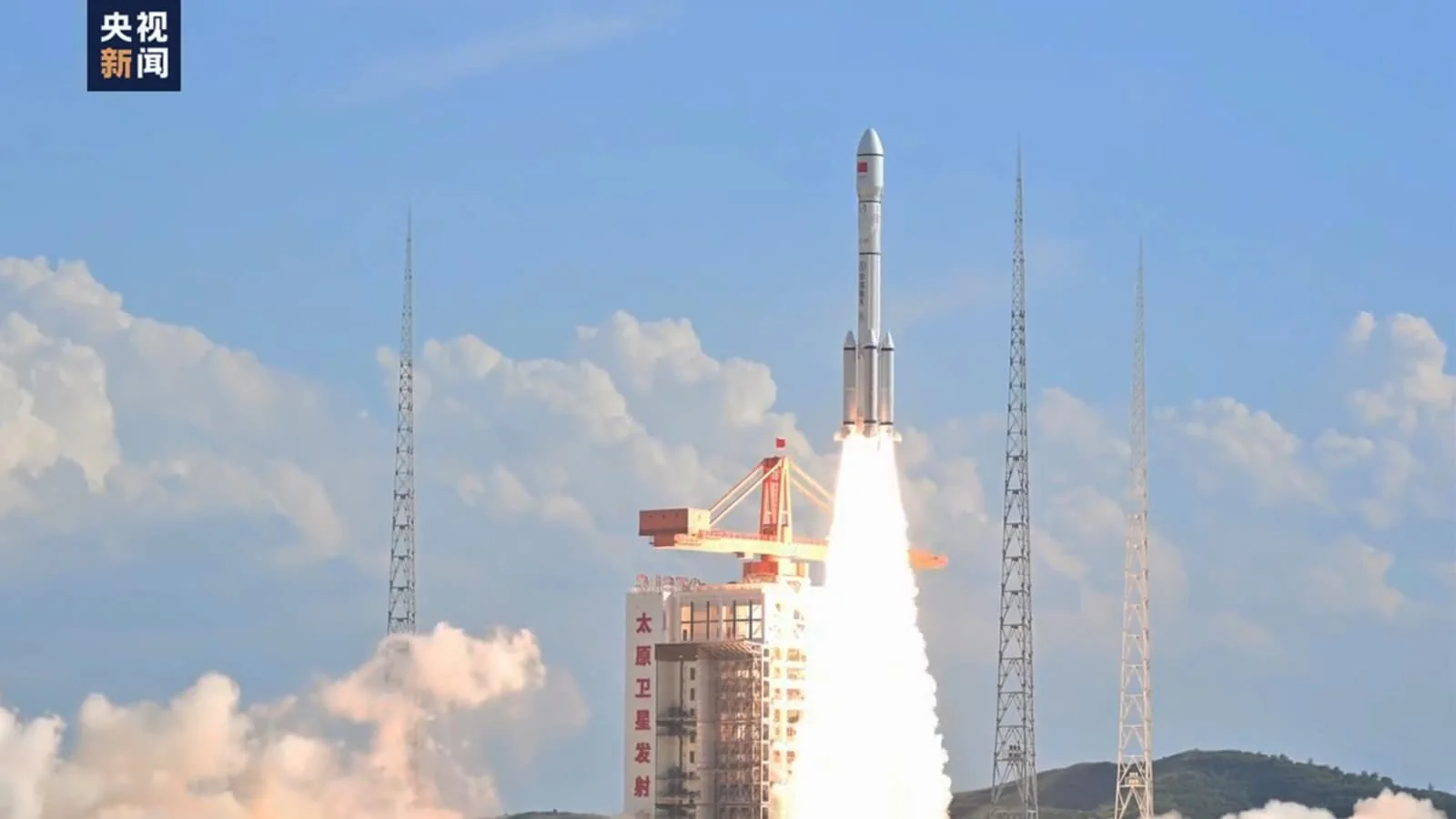
China continues to strengthen its position in the global artificial satellite internet market, according to Zamin.uz.
The next Long March 6A launch vehicle was successfully launched from the Taiyuan Satellite Launch Center. As a result of this launch, 13 new artificial satellites belonging to the Qianfan constellation were placed into low Earth orbit.
The project is considered a major competitor to Elon Musk’s Starlink system. This mission marked the 655th flight in the history of Long March rockets.
According to reports, all devices were accurately deployed at their designated points. The Qianfan constellation is being developed by Shanghai Yuanxin Satellite Technologies Co.
The main goal of the project goal is to create a global broadband internet network. As part of the project, the network being deployed will not only provide high-speed data transmission but also minimize communication latency.
In addition, the system will be capable of supporting future sixth-generation communication standards. This will not only ensure China’s technological independence but also significantly enhance its ability to deliver digital services on a global scale.
The expansion of the Qianfan system involves several key stages, with the initial phase currently underway. In the first phase, regional coverage will be provided using 648 satellites.
In the second phase, the number of devices will increase to 1,296, forming a complete global network. According to final plans, the total number of satellites in orbit will exceed 15,000, providing various types of satellite services.
The Long March 6A rocket used in the mission belongs to China’s new generation of medium-lift launch vehicles. It uses a liquid-fueled core stage and solid-fuel strap-on boosters.
The rocket is capable of delivering up to 6.5 tons of payload to a sun-synchronous orbit at an altitude of 500 kilometers. It is worth noting that the first batch of the Qianfan constellation was launched in June of this year.
At that time, 12 satellites were sent into orbit, and after this launch, the total number of satellites in the constellation increased to 190. Such high launch rates demonstrate the seriousness of China’s intentions to establish a presence in orbit and achieve its goals in the satellite communications sector.
In Uzbekistan, the development of such projects is also of great importance. The growth of systems like Starlink and increasing competition in the international market could expand the possibility for our country to access affordable and high-quality internet services, even in remote border areas, in the future.
China’s active entry into the global technology market helps increase choice for consumers.