


Saida Mirziyoyeva: Reforms have just begun, there are many problems
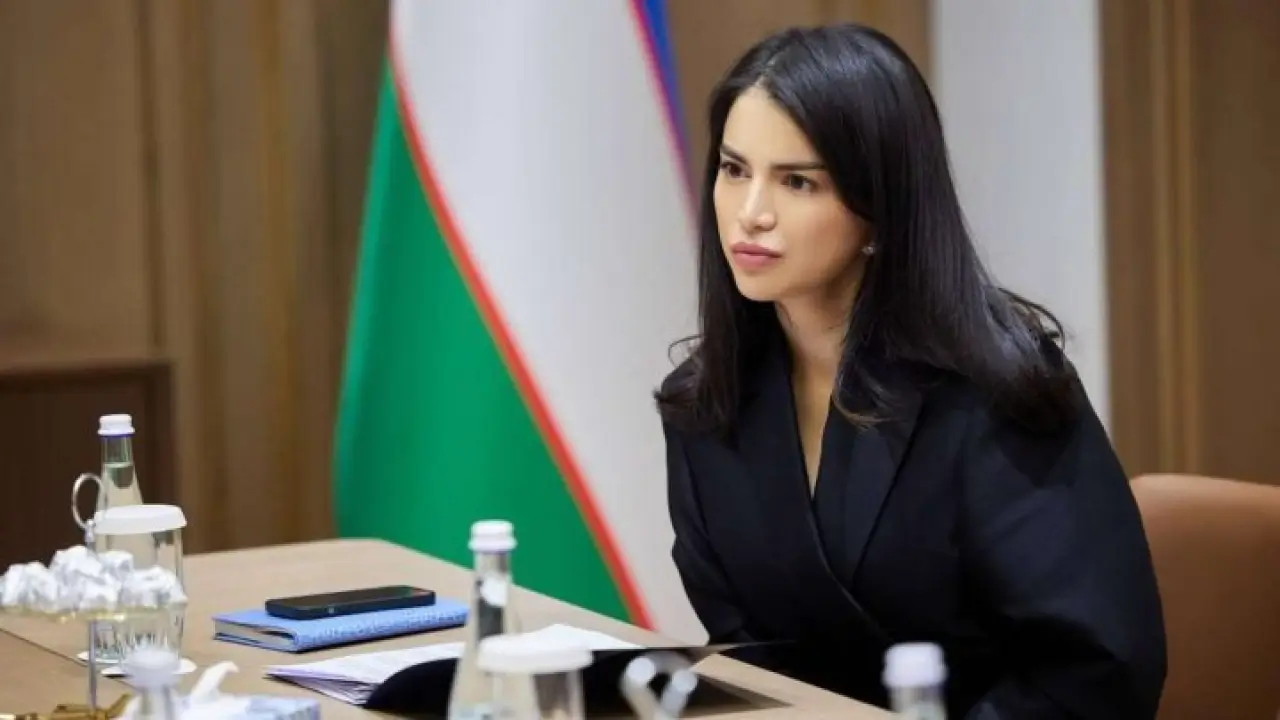
The head of the Presidential Administration, Saida Mirziyoyeva, recently shared her views on the ongoing reforms in Uzbekistan during an interview with the Alter Ego media project. This was reported by Zamin.uz.
According to her, the reforms have only just begun and this process is long-term and not yet completed. Mirziyoyeva called the opinions that reforms have stalled or the pace of development has slowed down unfounded.
According to the Upl.uz website, although the interim results are positive, many problems still exist at the regional level. Saida Mirziyoyeva pointed out regional limitations and geographical location as one of the main obstacles, emphasizing that Uzbekistan's lack of access to the ocean increases export-import costs.
Additionally, the shortage of financial resources and outdated infrastructure also have an impact. She noted that most engineering and social networks were established between the 1950s and 1970s, requiring significant funds for modernization.
For this reason, the government has adopted a phased strategy for infrastructure renewal. Five main directions have been defined in the activities of the Presidential Administration: water resources, education, healthcare, support for entrepreneurship, and reform of the judicial and legal system.
The water issue was noted as the most important priority. Furthermore, changes in the judicial system were said to be a crucial foundation for ensuring transparency and justice.
During the interview, Mirziyoyeva also touched upon management style and executive control, emphasizing that the goal is not to create a “good appearance for reporting,” but to achieve real results. She also noted that attempts to provide false information are ineffective and that the internal control system allows leadership to objectively assess the situation.
Mirziyoyeva mentioned proactivity as a key principle in management, stressing that every problem should be seen as an opportunity to strengthen the system. She also highlighted the importance of interest in international diplomacy and establishing connections as essential skills.
At the same time, she specifically emphasized that the development of logistics and transport sectors is a decisive factor in the success of the country's reforms.