



Gijduvan pottery products were officially registered as a geographical indication
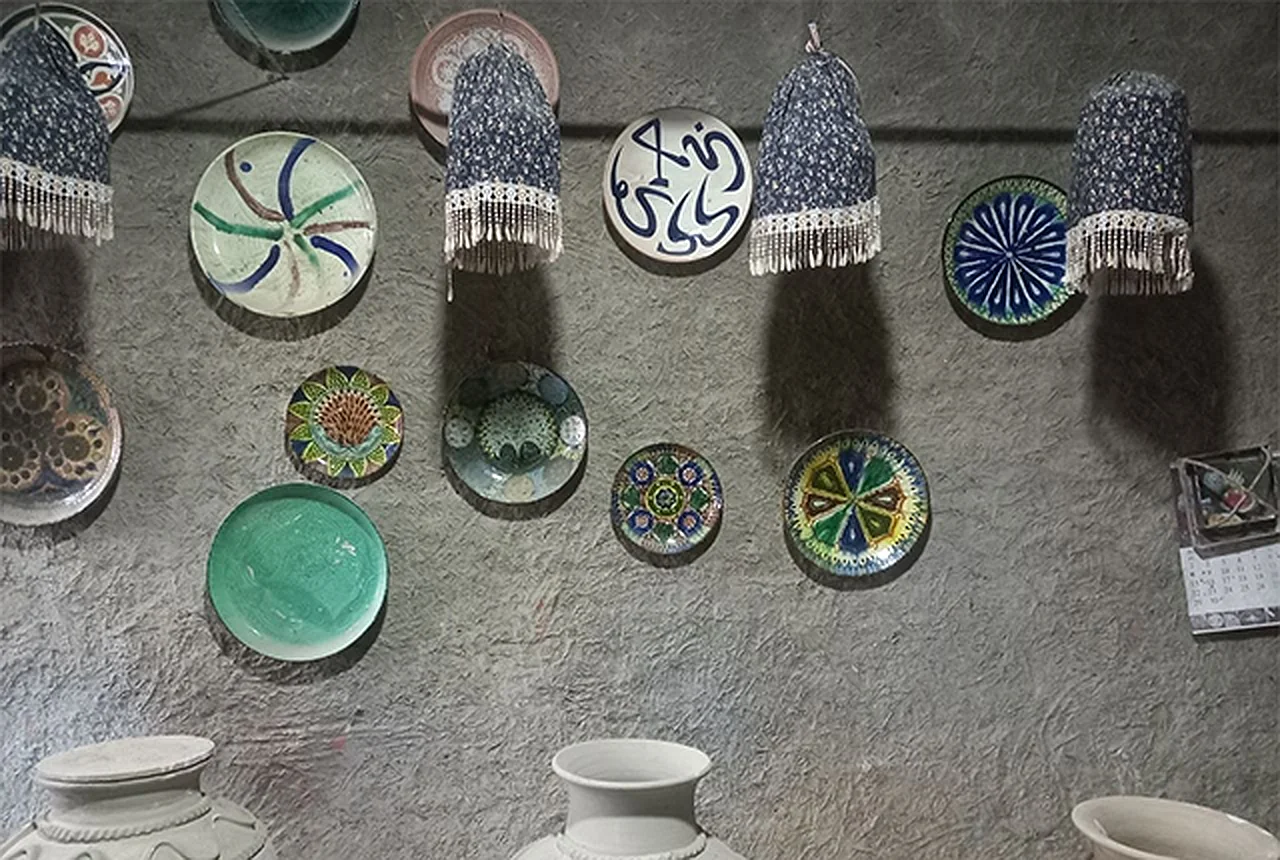
The Gijduvan pottery products specific to Gijduvan district of Bukhara region have been officially entered into the state register as a geographical indication. This was reported by Zamin.uz.
This historic step serves to legally protect the centuries-old traditions of the Gijduvan pottery school, its unique production methods based on the use of local clays, and its distinctive patterns and ornamental styles. The mentioned news is one of the important results in the process of passing on our national handicraft heritage from generation to generation.
Throughout its long history, the Gijduvan pottery trend has developed about 60 product types and more than 300 stable pattern compositions. These art samples have been passed down from generation to generation, preserving their original appearance to this day.
In the production process, only local loess clay, glazes of various colors, natural dyes, and resin from plants are used as raw materials. It is precisely this that distinguishes Gijduvan pottery products from handicraft samples of other regions.
In the external appearance of the products, the harmony of light green, liver-red, and blue colors occupies a special place. Moreover, traditional patterns such as Mehrobi, Parragul, Madohil, Londagul, Guli bodom, and Lolagul have become a distinctive feature of this school.
It is noteworthy that these traditions are being continued and promoted worldwide by representatives of the famous Narzullayev family, which has a three-century history. Registration as a geographical indication guarantees not only the product name, but also its production technology and quality.
This process creates new opportunities for widely promoting the national handicraft brand in international markets, increasing the flow of tourists, and appropriately evaluating the labor of local masters. Today, Gijduvan pottery is recognized as an object of intellectual property under state protection.