


Kler Parfitt rose from a simple worker to a leader of the Martian research
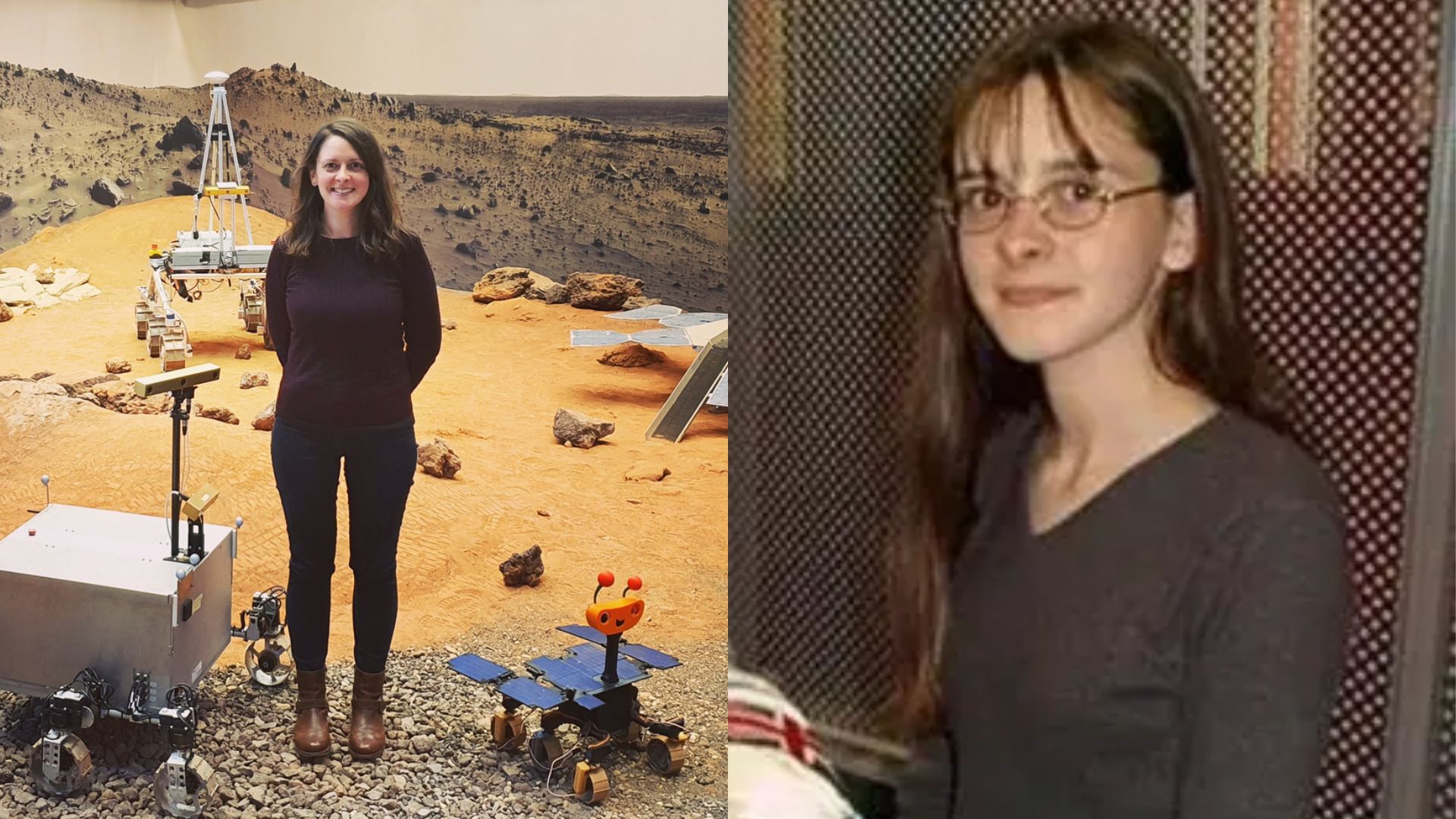
Claire Parfitt began her career at the age of fourteen, performing simple tasks such as cleaning cosmic equipment. This was reported by Zamin.uz.
Years later, she became one of the most prestigious specialists at the European Space Agency and is currently leading major projects for the exploration of Mars. Her path to success is a vivid example of determination and an infinite passion for science.
Born and raised in the city of Nottingham, Claire's passion for the universe was formed during her school years. Initially, she dreamed of interning at NASA in the USA, but she received a rejection.
Despite this, she did not give up and secured an apprenticeship at the National Space Science Centre in the city of Leicester. At that time, the center was preparing for the opening of the largest space museum in Britain.
Young Claire was directly involved in the process of receiving various exhibits and preparing them for display. She even performed tasks such as cleaning and maintaining complex devices, including a space toilet.
Additionally, she participated in the process of receiving the spacesuit worn by Helen Sharman, the first person from Britain to fly into space. Claire notes that this very life experience defined her future professional direction.
Later, she obtained a higher education in physics and earned a doctorate in spacecraft energy systems engineering. Throughout her career, she actively participated in international projects, including a special rover exploring the surface of Mars and research on Earth's magnetic field.
Currently, Claire Parfitt holds a responsible position at the European Space Research and Technology Centre located in the Netherlands. She leads the team planning future Mars expeditions involving both humans and robots.
According to the specialist, Mars is a scientifically critical region, and its exploration will serve as a foundation for humanity's future in space. She expressed confidence that the most valuable data for European science will be obtained through new missions expected to take place in 2028.