A single national system for ensuring food safety will be established
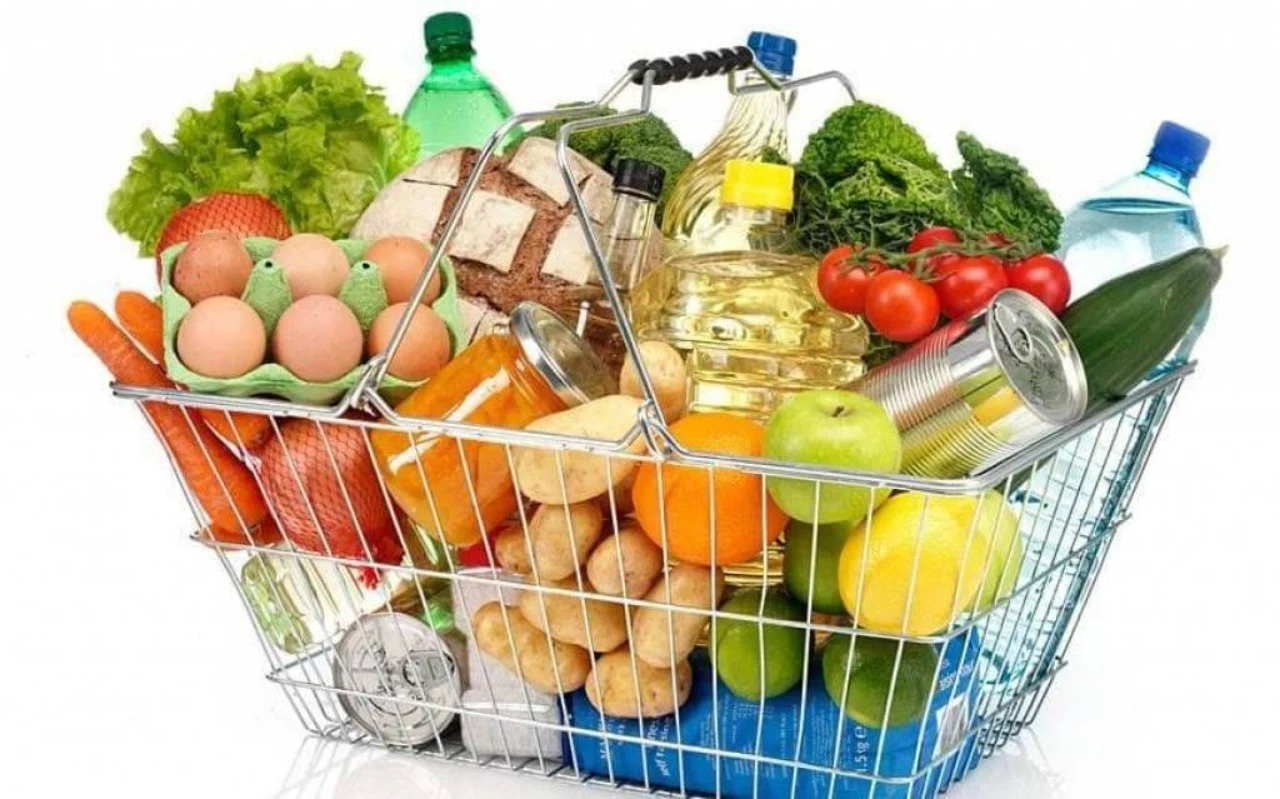
An important Presidential Decree has been adopted in Uzbekistan aimed at fundamentally improving the management and control system in the areas of food safety, phytosanitary and veterinary supervision. This was reported by Zamin.uz.
The document provides for making the entire process—from product cultivation to delivery to the consumer—more organized, transparent, and in line with international standards. The main goal of the reforms is to consolidate fragmented oversight in the sector and establish a reliable system for protecting public health.
One of the key areas of the decree is to reduce duplication of functions among sector participants and establish a unified state management system. As a result, responsibility boundaries in food safety, veterinary, and plant quarantine control will be clearly defined.
This will help reduce unnecessary paperwork and significantly simplify the decision-making process. State supervision will no longer be limited to inspections alone but will also be directed toward supporting entrepreneurs.
The new system will operate on the principle of continuity from field to table. This means that the entire chain—from the product cultivation, storage, transportation, processing, and sale—will be it in the field, to storage, transportation, processing, and sale—will be monitored based on risk analysis.
Such a modern approach not only responds to problems after they arise but also enables the early identification and prevention of potential risks. As a result, the pathway for substandard products to enter our markets will be blocked.
The decree also establishes the task of fully aligning current sanitary rules with international requirements. In particular, national standards will be brought into compliance with the Codex Alimentarius, the World Organisation for Animal Health, and the International Plant Protection Convention.
These changes will create a solid foundation for Uzbek-produced goods to occupy a worthy place in international markets and enhance export potential. According to the document, on the basis of existing agencies, a Food Safety Committee will be established.
At the same time, under the auspices of the Ministry of Agriculture, the Livestock and Pasture Development Agency will begin operations. Structural changes are aimed at consolidating responsibility in the sector into a single center and raising the quality of oversight to a new level.
Starting in 2027, some supervisory functions will be gradually transferred to the private sector, which will help form a healthy competitive environment in the field. In addition, the newly established Food Safety Institute will engage in scientific analysis, training of qualified personnel, and objective risk assessment.
Entrepreneurs will also benefit: the processes of exporting goods and certification will be digitized and carried out without human intervention. These measures will ensure that quality and safe products reach our people’s tables.