


Rice export is exacerbating water scarcity
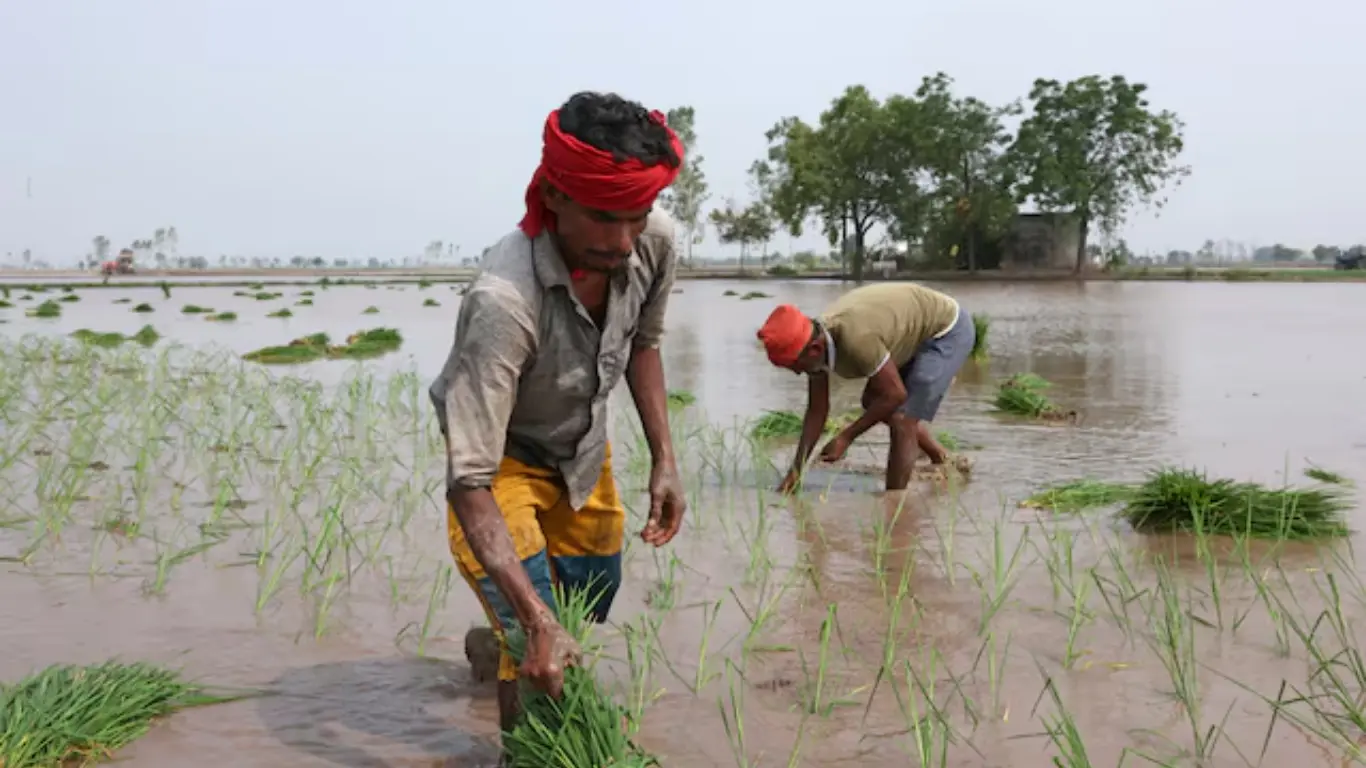
The increase in rice exports is intensifying water scarcity. This was reported by Zamin.uz.
In recent years, countries that have become leading players in the global market for rice cultivation and export are putting significant pressure on water resources. In particular, the situation is becoming more complicated in water-scarce regions such as Haryana and Punjab.
Farmers are forced to drill deeper into underground water due to water shortages. For example, while water was found at a depth of 30 feet ten years ago, today drilling is required up to 80–200 feet.
This increases farmers' costs and creates serious difficulties especially for small farmers. Subsidies provided by the government to encourage rice cultivation are binding farmers to water-intensive crops.
At the same time, the possibility of switching to crops that require less water is limited. Experts emphasize that this situation creates challenges in managing water resources.
In some regions, measures are being taken to promote crops that require less water. For example, the Haryana government supports the cultivation of maize and other water-efficient crops.
However, experts note that such measures need to be long-term and sustainable, as well as ensure income guarantees for farmers. Broader strategies are necessary to effectively manage water resources and maintain balance.



![Fransiya Usmonova proposed removing [the name] from the sanctions list](/uploads/mini/web-300/04/e8d7de74763e0760c29bdbfd3d91b77a.webp)