

Trump gave up attacking Iran: what are the reasons?
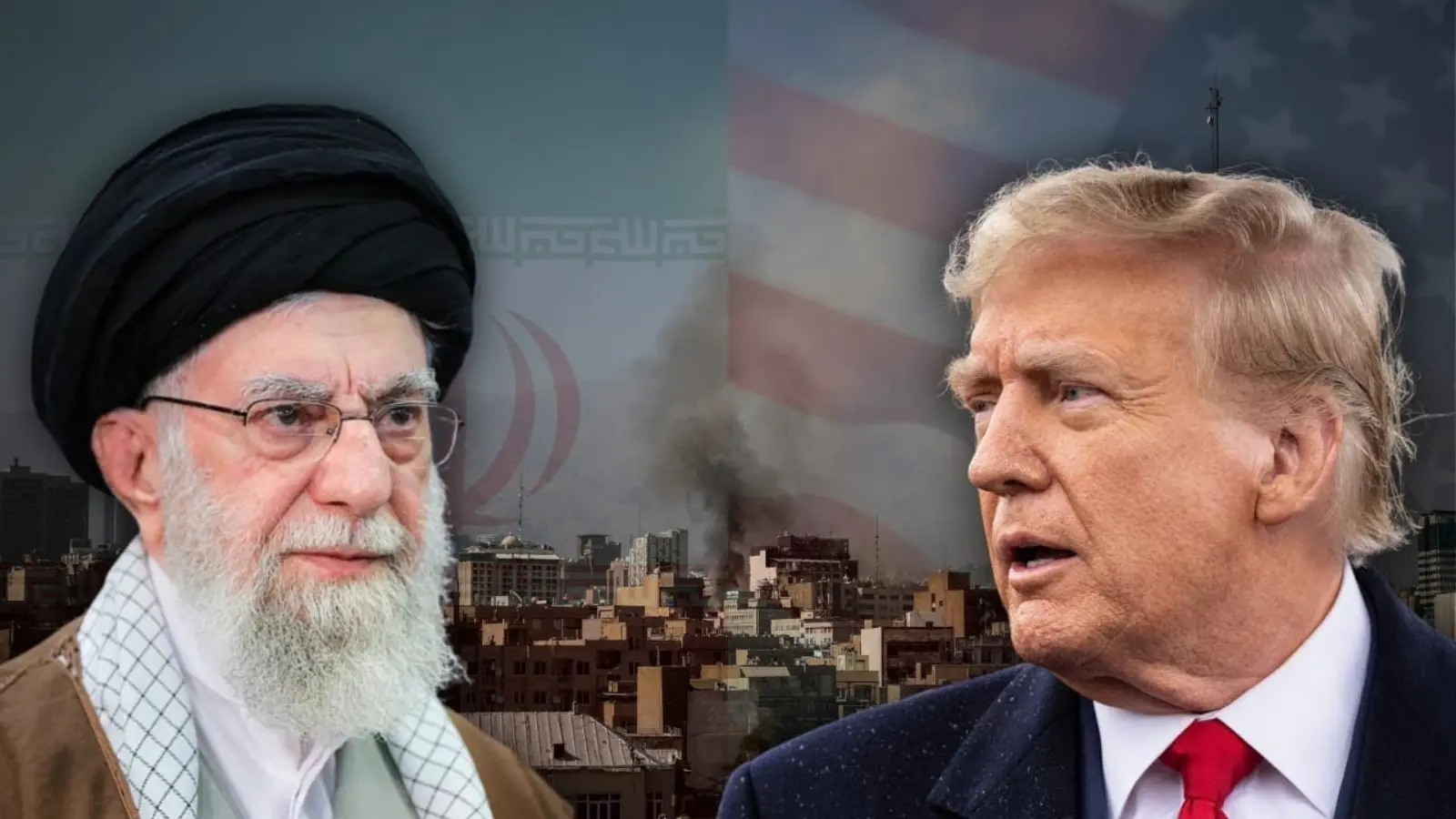
Amid escalating tensions in Iran's internal political situation and threatening statements from the US, the world was discussing the possibility of a new war. This was reported by Zamin.uz.
However, US President Donald Trump abandoned the plan for a military strike against Tehran. “The Washington Post” and “Axios” publications, citing White House sources, revealed the factors that prompted Trump to make this decision.
**Situation Inside Iran: From Protests to Clashes** Initially, US intelligence did not consider the protests in Iran a serious threat to the regime. But by January 8, 2020, the situation escalated sharply.
The Iranian government cut off the internet and began suppressing protesters with force. On January 13, Trump promised support to the protesters and urged them to overthrow the government.
Following this, the White House prepared a plan for a military strike on Iran's strategic targets. **Factors That Changed Trump's Decision** Several key reasons were cited for Trump’s decision to refrain from ordering the attack: 1.
**Secret Negotiations:** Iran's Foreign Minister informed the US representative about abandoning the plan for mass executions of protesters. This served as a pretext for Trump to avoid military actions.
2. **Allies' Concerns:** Israel and Saudi Arabia expressed worries about regional instability and urged Washington to reconsider the decision.
3. **Limited Military Resources:** According to Pentagon data, the US main naval forces were deployed to exert pressure on Venezuela.
Therefore, there was insufficient capacity to adequately respond to a counterstrike from Iran. **Protesters and International Reactions** Trump’s decision was an unexpected blow to the Iranian opposition.
Many protesters accused the US of “betraying” them. According to human rights activists’ estimates, the number of casualties from the clashes may have reached 5,000.
**Conclusion: Right Decision or Mistake?** Trump’s main argument was that a military strike would not guarantee the overthrow of the regime. Considering the negative consequences of military operations, he chose a cautious approach.
However, experts believe that if Trump does not fulfill the promised support, he may be remembered in history as a leader who “encouraged protests and then abandoned them.” Although Washington has currently adopted a wait-and-see stance, the military option remains on the agenda.
What do you think, was Trump’s decision correct? Or did it create an opportunity for the Iranian regime to strengthen itself?