


Conflicts in the Middle East Dealt a Serious Blow to the US Domestic Economy
Political and military conflicts in the Middle East are reshaping new geopolitical forces on the global arena. Zamin.uz reports this.
According to analysts from China's NetEase publication, several powerful states are defending their interests through the current conflict. At the same time, US President Donald Trump finds himself in a very difficult situation.
Military operations launched in the region have become a serious test not only for the local population but also for the global economy. In particular, the blockade of the Strait of Hormuz caused a sharp rise in oil prices.
This situation led to an increase in gasoline and other fuel product prices in the US domestic market. As a result, dissatisfaction is growing among voters who had planned to support the Republican Party.
On the eve of the midterm elections taking place in autumn, this poses a major headache for the White House leader. The government is taking measures to ease sanctions or restrict exports to mitigate the situation, but whether these actions will yield expected results remains unclear.
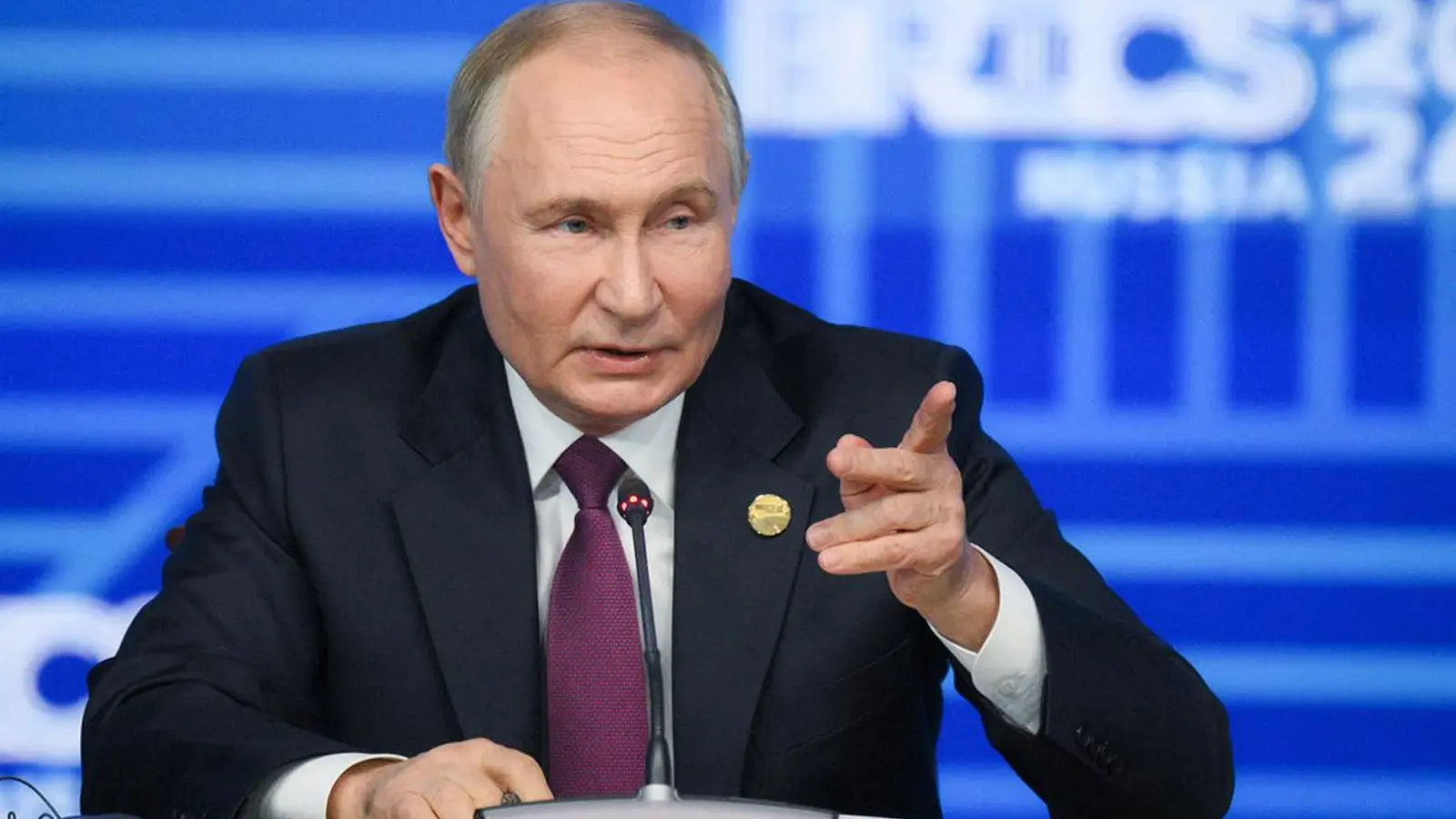
Russia and China, however, are managing to derive their own benefits from this crisis. Analysts believe that Russian President Vladimir Putin has simultaneously achieved two important goals.
First, the rise in oil prices ensured a significant inflow of foreign currency into Russia's treasury. Second, with Western countries' attention fully directed toward the Middle East, pressure on Moscow has decreased.
For China, this situation presented a favorable opportunity to strengthen its influence in the Asia-Pacific region. The more involved the US becomes in military conflicts, the stronger Beijing's position in the region becomes.
However, Tehran's claims about creating nuclear weapons have not yet been fully proven. International experts continue to emphasize that there is no concrete evidence of a nuclear program in Iran.
Nevertheless, Washington and Tel Aviv are proceeding along the path of escalating the situation. Moscow and Beijing currently wish for stability to be established in the region as soon as possible.
Because a large-scale war could completely disrupt the global economy. For Uzbekistan as well, there is a possibility that rising oil prices could affect the transport and industrial sectors.
In your opinion, will Trump be able to maintain voters' trust in this difficult situation?