


Significant changes are being observed in Iran's military strategy.
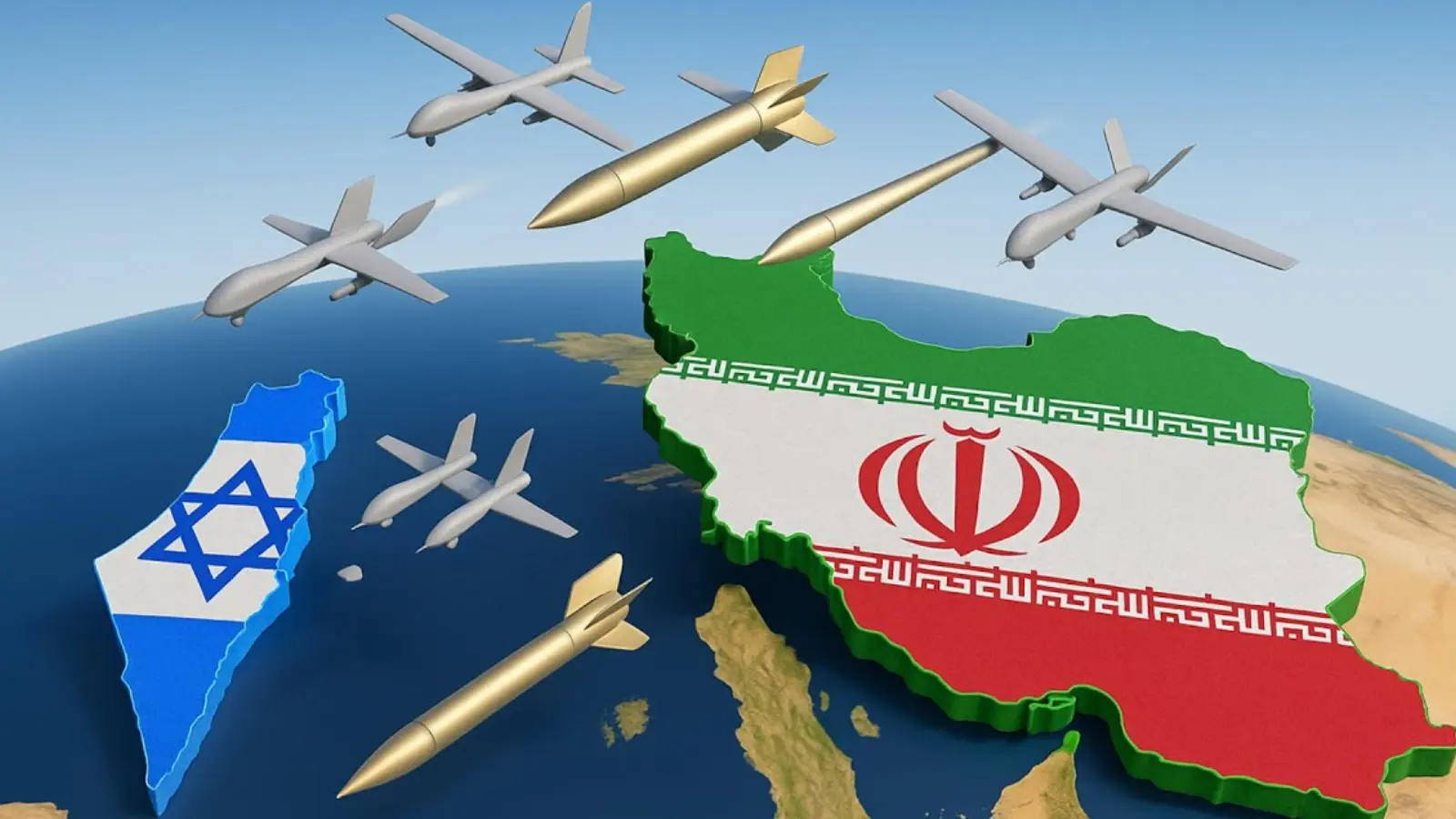
Financial Times has noted significant changes in Iran's military strategy. Zamin.uz reported on this matter.
While extensive and powerful missile attacks were employed in recent days, Tehran has now shifted to a more frugal use of weapons. According to military analysts, Iran is now prioritizing small-scale attacks distributed throughout the day rather than launching large numbers of strikes simultaneously.
This approach helps maintain constant pressure on the enemy and reduces the risk of strike systems being detected. Additionally, such a strategy allows for more efficient allocation of existing resources.
Experts assess Iran's current situation as a survival strategy. The country's leadership is striving to make existing reserves last as long as possible.
For now, Tehran is not deploying its most modern and highly accurate missile systems. This may be due to the need to preserve strategic reserves or difficulties in using these weapons under constant surveillance.
Iran's ability to replenish its weapon stockpiles also remains limited. As a result of strikes on warehouses and production facilities, the manufacturing of new weapons is proceeding more slowly than their consumption.
According to analysts' calculations, Iran may continue attacks in the near future, but returning to the previously observed level of intensity will be difficult. Military operations are expected to occur frequently but in small quantities.
In conclusion, Tehran's efforts to conserve resources and conduct military operations in a controlled manner are further complicating the situation in the region. This new strategy will directly influence the development of events in the coming weeks and months, requiring every decision to be made with caution.