


China Has Become a New Leader in the Global Economy
Today, the balance of power in the global economy is undergoing a sharp transformation. Zamin.uz reports on this development.
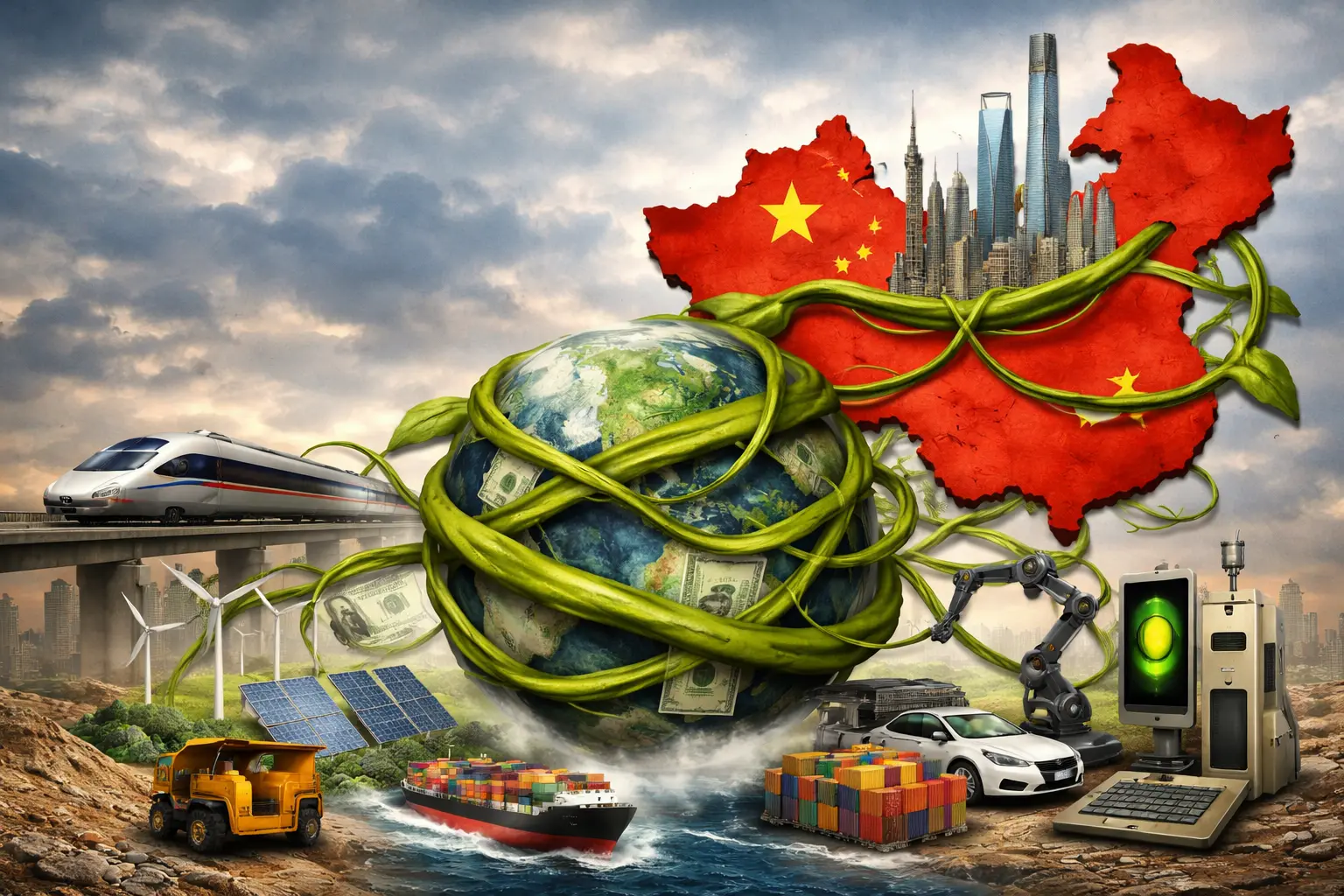
New leaders are emerging on the international stage, and traditional orders are being re-evaluated. In recent years, China has taken a leading position not only in ordinary consumer goods but also in cutting-edge technologies.
This country serves as a global benchmark in the production of electric vehicles, solar panels, wind turbines, and powerful batteries. This success is not accidental but the result of long-term state policy and a clear strategy.
While Western countries have focused primarily on the service sector and software, China has invested billions of dollars in developing heavy industry and high-tech manufacturing. Substantial state subsidies, tax incentives, and land allocations created conditions for the rapid growth of local companies.
The vast size of the domestic market provided excellent opportunities for testing and refining new products. As a result, Chinese manufacturers have succeeded in offering high-quality and affordable products to the global market.
China's position is also unparalleled in the field of strategically important minerals. The country has achieved absolute dominance in the extraction and processing of materials such as lithium, cobalt, nickel, and graphite, which are essential for modern technologies.
According to international organizations, almost all rare earth metals and natural graphite in the world, as well as a large portion of cobalt and lithium, are under Chinese control. By purchasing major mines in Africa, South America, and Australia, they have strengthened their raw material base.
While factories in the West closed due to environmental requirements and expensive labor, China has maintained full control over this economic chain. This economic leverage has granted China not only financial profits but also significant political influence.
Energy security and technological independence have become one of the most important factors in global geopolitics today. In the future, these processes may further transform the world order and lead to the formation of new alliances.
Every country must learn from this experience and re-evaluate its own strategy in developing its economy.


![Fransiya Usmonova proposed removing [the name] from the sanctions list](/uploads/mini/web-300/04/e8d7de74763e0760c29bdbfd3d91b77a.webp)