Ankara replaced "Central Asia" with "Turkestan" in the "Modern Turkey" textbooks
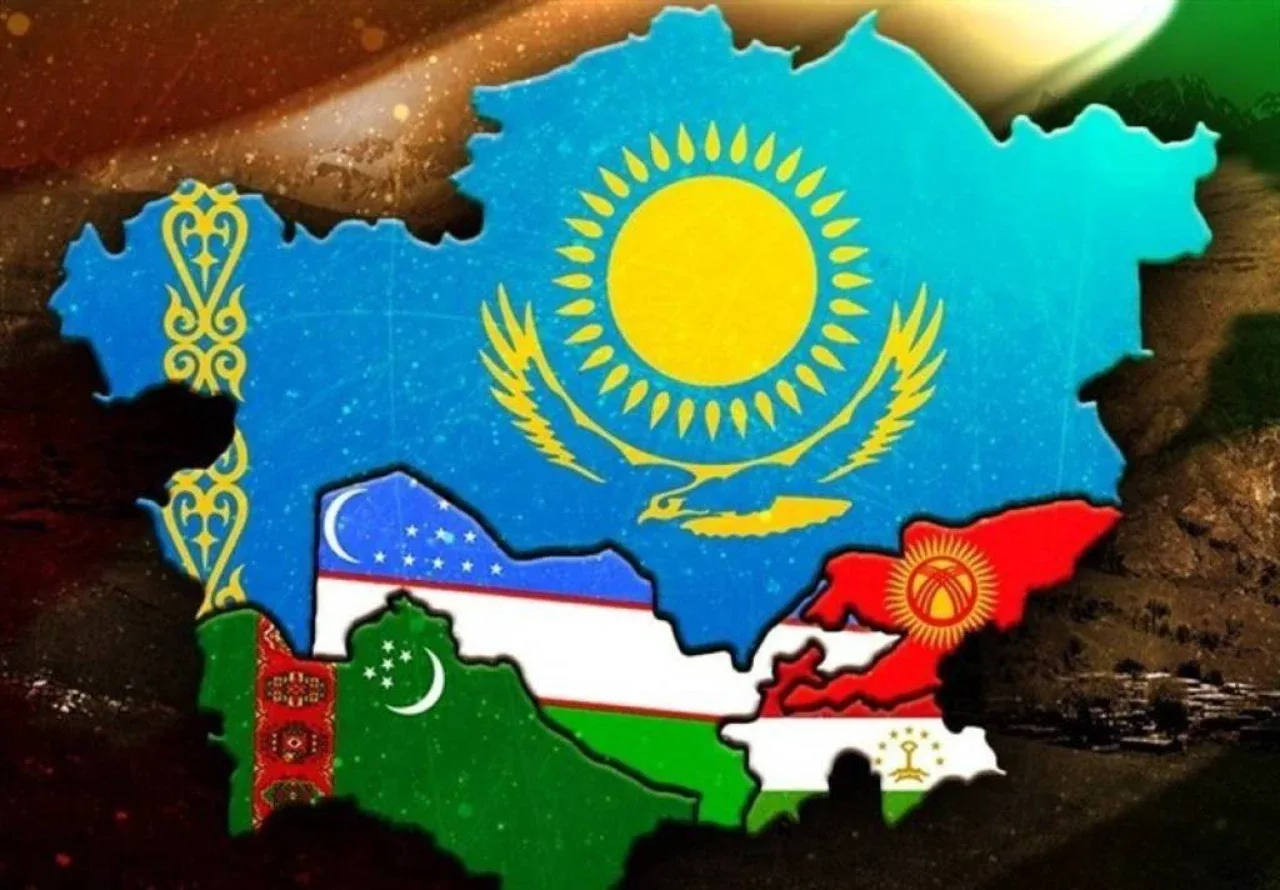
Ankara has introduced significant changes to school history textbooks as part of its “Modern Turkey” educational initiative, Zamin.uz reported.
Now, the historical name “Turkistan” is being used in textbooks instead of the long-standing term “Central Asia.” This is not merely a renaming exercise.
The change is being viewed as a step to strengthen Turkey’s historical and cultural ties with the region and to reshape the shared heritage of Turkic peoples through the education system. Turkey’s Ministry of Education explains this by emphasizing the region’s role as a common historical homeland of the Turkic world.
According to the official approach, textbooks now place greater emphasis on the historical connections between ancient Turkic civilizations, their cultural legacy, and modern Turkey. Ankara also states that it aims to move beyond definitions formed during the Soviet era and in external studies, seeking to restore the Turkic peoples’ own historical memory.
This reform has not been uniformly adopted across the region. For Turkey, the term “Turkistan” carries symbolic significance as a marker of Turkic state rapprochement, cultural affinity, and future integration.
Some analysts see this as part of the policy of Recep Tayyip Erdoğan, arguing that Turkey aims to solidify its role as a leader of the Turkic world.
Tajikistan, however, is approaching the change with caution. Tajik historians emphasize that Central Asia has never been inhabited solely by Turkic tribes, pointing out that Iranian-speaking peoples and ancient civilizations have also played a major role in the region.
They warn that the symbolic use of “Turkistan” could marginalize Tajiks and their historical heritage from the regional narrative. Ancient centers such as Sogdiana, Bactria, and Khwarazm are considered part of the shared heritage of the entire region.
Experts suggest that Ankara’s move is not only about education but also reflects broader geopolitical interests. At a time when Russia and China maintain strong economic and political influence in the region, Turkey seeks to strengthen its position through cultural and educational initiatives.
Shaping historical narratives from school age could lay the groundwork for long-term cooperation. For this reason, the reform is being interpreted both as a cultural rapprochement and a political signal.


![Fransiya Usmonova proposed removing [the name] from the sanctions list](/uploads/mini/web-300/04/e8d7de74763e0760c29bdbfd3d91b77a.webp)