



Solar Orbiter detected unexpected processes on the reverse side of the Sun
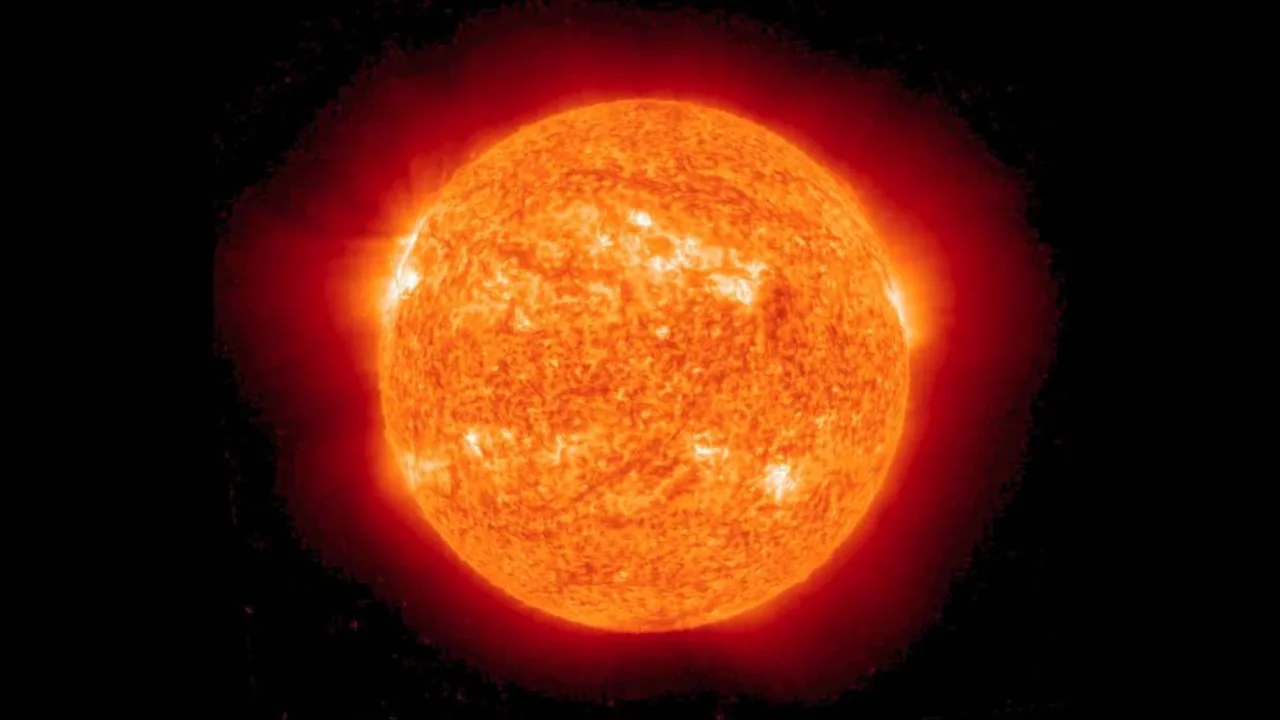
The European Solar Orbiter spacecraft, after a long break, succeeded for the first time in observing the processes occurring on the Sun's side that is invisible from Earth. This was reported by Zamin.uz.
The new data significantly differed from the results expected by scientists. In recent months, the large active regions that specialists had been carefully monitoring began to lose their strength rapidly.
This unexpected event sparked great interest among researchers studying solar activity. During the observations, the Solar Orbiter spacecraft was located on the side of the Sun opposite to Earth.
This situation allowed Earth-based telescopes to capture detailed images of the hidden regions. It was precisely on this side that the 4478 and 4479 numbered regions, considered the largest and most active in recent years, were located until the end of June.
According to experts, the 4478 zone, which was assessed as the second largest active region in the past decade about two weeks ago, has now significantly weakened and lost its influence. According to laboratory specialists, although it is expected to return to the Earth side within about a week, its preservation until that time is under great demand.
At the same time, the 4479-numbered region is currently maintaining its activity to some extent. Thus, one of the most powerful active points on the Sun may completely disappear before it faces Earth again.
Researchers note that an unusually calm period is currently being observed on the Sun. Even the spacecraft's special X-ray detectors have not recorded any significant flashes or bursts.
In fact, scientists had been expecting completely different results. Since May, a very large active region had been detected on the far side of the Sun.
Therefore, specialists compared it to the area observed in the beginning of this year and brought one of the strongest magnetic storms in the last twenty years on Earth. Researchers had predicted that this new zone would face Earth in June and turn into strong bursts and geomagnetic fluctuations.
However, the latest data sent by Solar Orbiter did not confirm these expectations. The observations showed that the largest active zone unexpectedly weakened, and the Sun's overall activity is at an extremely low level.
Specialists continue to monitor these processes regularly. They emphasize the important role of such sharp changes in solar activity in making accurate predictions of space weather that may affect our planet in the future and preventing various unexpected events.