Scientist who studied average height of US prisoners sparks debate
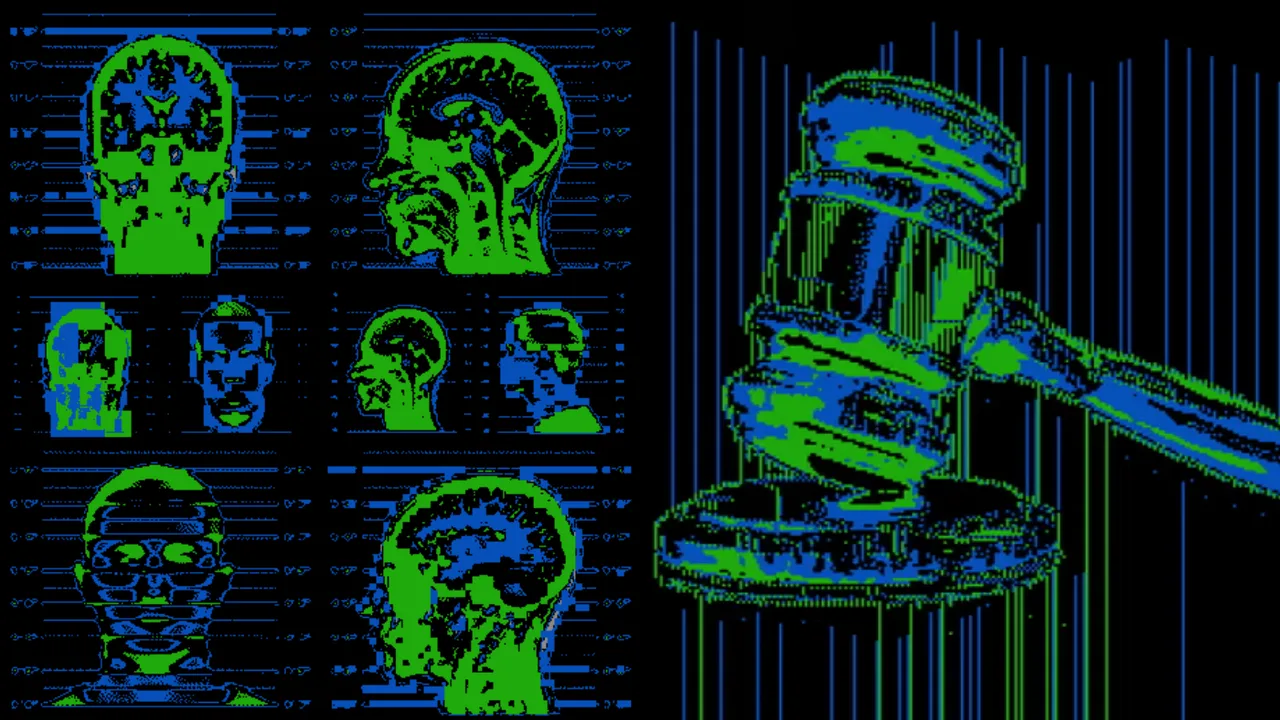
The controversial research of Kent Kyle, a scientist who studies the brains of prisoners in the USA, is once again sparking serious debate. Zamin.uz reported on this.
According to him, a person's predisposition to violence or psychopathic traits can be identified through brain scans and genetic analysis. Kent Kyle has examined the brains of thousands of prisoners over the years, and his research has been used as evidence in US courts.
In some cases, lawyers have used this information to try to prove that their clients' actions were linked to biological factors. However, there have been instances where this method did not yield the expected result.
For instance, in the case of Amos Joseph Wells III, the defense emphasized that his genes and brain structure increased his predisposition to violence. However, the jury did not accept this as a mitigating factor; instead, they viewed it as evidence that he could remain dangerous in the future and sentenced him to death.
Some experts argue that Kyle's research is not sufficiently grounded scientifically. They state that human behavior cannot be predicted solely through brain images or genes.
Some scientists noted that such an approach recalls theories that were previously rejected and even served as a basis for racial discrimination. Critics believe that linking criminality to biological characteristics may overlook important factors such as social environment, upbringing, poverty, and mental health.
Furthermore, there is a possibility that such evidence, instead of granting leniency to prisoners, may portray them as even more dangerous individuals. Kent Kyle, however, emphasizes that his research is based on modern science and has undergone rigorous testing.
Despite this, the debates surrounding his work continue. The primary question between legal experts and scientists remains open: can a person's future actions be predicted through their brain and genes, or is this a dangerous and controversial theory?


![Fransiya Usmonova proposed removing [the name] from the sanctions list](/uploads/mini/web-300/04/e8d7de74763e0760c29bdbfd3d91b77a.webp)