



Uzbekistan's water resources face serious problems due to glacier melting
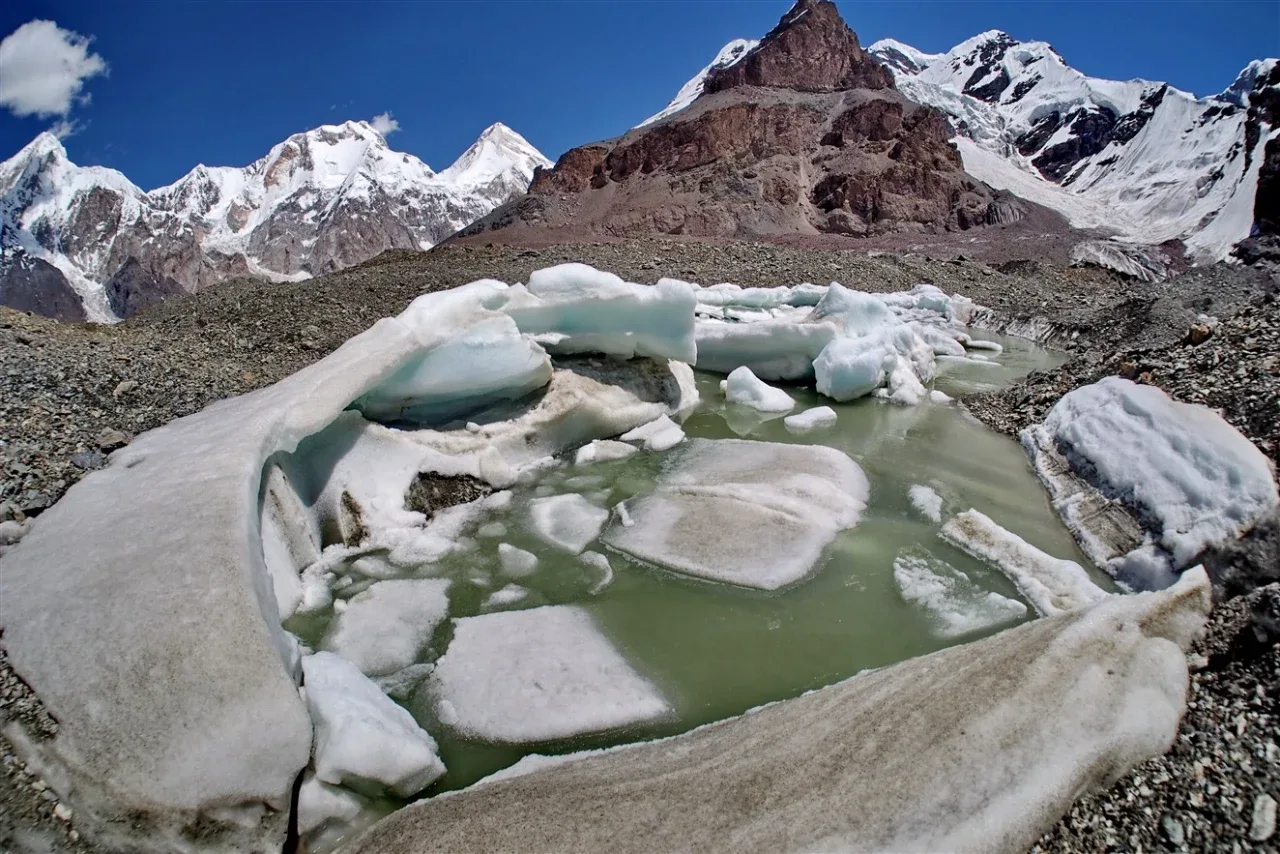
Central Asia, especially Uzbekistan, is facing a serious problem related to water resources, as reported by One.uz.
According to a report released by the World Meteorological Organization (WMO), the region’s glaciers and freshwater reserves are deteriorating rapidly. Over the past five years, these glaciers have lost 6.2 percent of their mass.
This rate of loss exceeds natural recovery, and the volume of meltwater feeding reservoirs has significantly declined. The Amu Darya and Syr Darya rivers—key lifelines for the region’s population and agriculture—are largely fed by glacial and snowmelt water.
As a result, glacier retreat increases the risk of water scarcity and climate crisis. The impact on water supply and ecological conditions The 6.2 percent loss of glaciers negatively affects water supply to farmlands and cities across Uzbekistan’s regions.
With reduced water availability for agriculture, crop yields may suffer, threatening food security. Meanwhile, the Aral Sea basin is not recovering due to diminished inflow; instead, its reserves continue to shrink.
This situation deepens ecological degradation, potentially harming biodiversity and air quality. Water shortages in reservoirs, combined with millions of hectares of farmland and industrial zones in the Amu Darya and Syr Darya basins, are intensifying water stress.
Future Risks and Solutions The WMO report’s “melt—then build” cycle serves as a warning: although glacial melt currently boosts river levels, reserves will soon be depleted, leading to river shallowing and eventual drought. To prevent this, sustainable water use, modern flow management technologies, and transboundary water strategies must be implemented.
Otherwise, Central Asia’s population may face serious challenges in securing drinking water and ensuring food security. This process depends not only on individual nations’ capabilities but also on regional cooperation and integration.