Supreme Court canceled Larisa Dolina's apartment contract
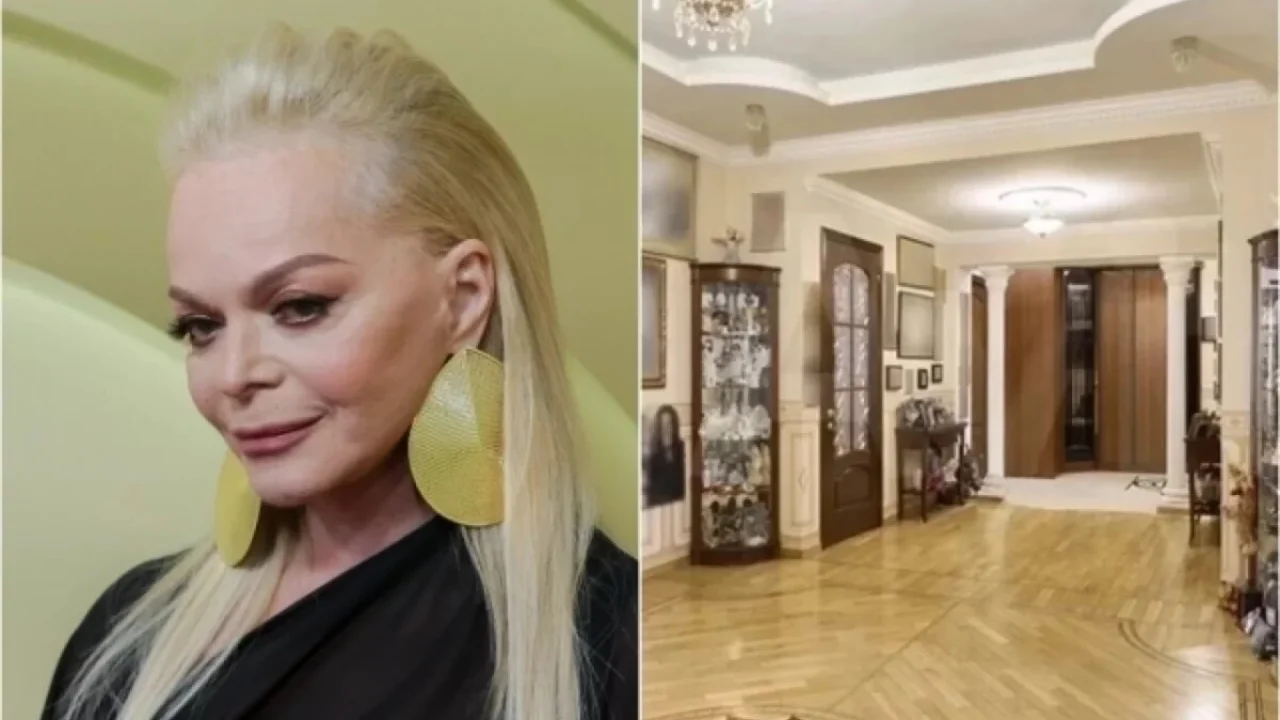
The Supreme Court found that singer Larisa Dolina sold her apartment due to a change in her mental state. This was reported by Zamin.uz.
According to the court decision, Dolina did not suffer from any mental illness before interacting with fraudsters. However, under the influence of the fraudsters and due to certain personal characteristics, changes occurred in her mental state.
The expert opinion emphasized that the victim's psychological traits, including her age group, safety values, and way of thinking, contributed to her falling under the influence of the fraudsters. Nevertheless, the Supreme Court did not consider this situation sufficient grounds to cancel the deal.
In the summer of 2024, Larisa Dolina sold her apartment, valued at 138 million rubles, to 34-year-old single mother Polina Lurye. However, after it was established that the deal was made under the influence of fraudsters, the court canceled the deal in March 2025 and decided to return the property to Dolina.
As a result, the buyer Polina Lurye lost not only the money she spent but also the apartment. Lurye's counterclaim was rejected by the court.
This incident sparked widespread discussions among the public. Some social media users criticized Dolina and called for a boycott of her concerts.
Following this event, the term "Dolina effect" emerged, used to describe cases where the seller is found unaware or incompetent regarding their actions. It has been reported that Russian courts have previously canceled over 3,000 deals in similar cases.