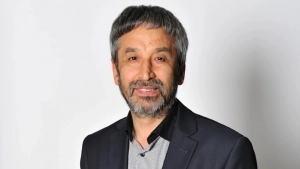



In Uzbekistan, environmental activities are being held as part of the Car-Free Day campaign.
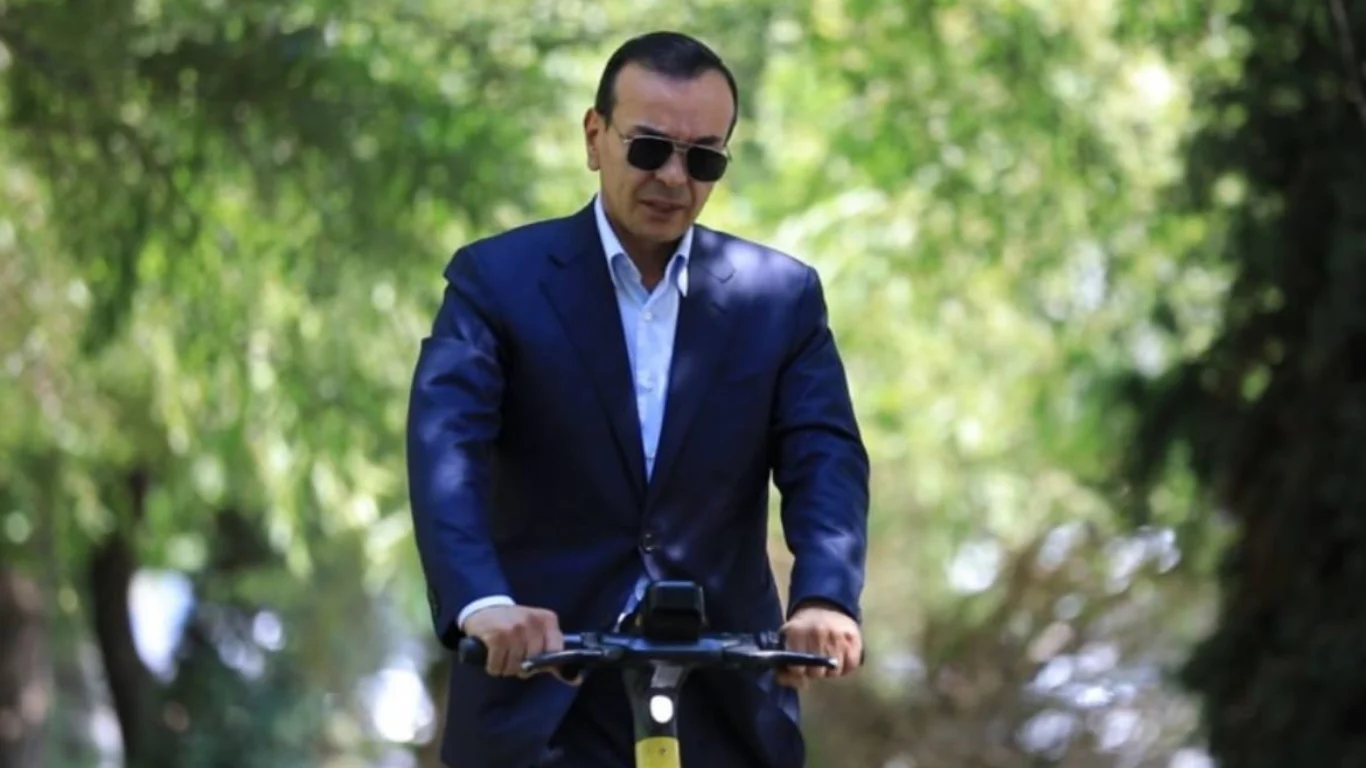
In Uzbekistan, practical efforts to protect the environment, preserve nature, and promote a healthy lifestyle among the population are being elevated to a new level. This was reported by Zamin.uz.
In particular, the Car-Free Day campaign, conducted as part of the national Clean Air initiative, is gaining momentum and attracting widespread public participation. This event not only contributes to ecological stability but also fosters a sense of personal responsibility among citizens for their own health and the well-being of future generations.
In accordance with a relevant decree by the head of our state, Car-Free Day events are held on the 9th and 24th of each month, starting from May of the current year. As part of this project, heads and employees of state agencies set a personal example by walking or using public transport to reach their workplaces.
Such measures help significantly reduce the emission of harmful gases into the atmosphere and prevent traffic congestion in cities. During the recent campaign, Minister of Culture Ozodbek Nazarbekov actively participated, supporting the initiative alongside his ministry’s team.
The minister and other officials leaving their cars behind and walking set a positive example for the public. Specialists believe such events play an important role in raising ecological awareness in society.
Using fewer technical means and moving more is ultimately beneficial for human health. The Car-Free Day initiative is now being widely implemented not only in the capital but also in all regional and district centers.
Representatives of the public, youth, and employees from various sectors are eager to contribute their share to this noble cause. Zero emissions, clean skies, and fresh air are the greatest wealth we can leave for future generations.
Therefore, each of us should actively participate in such campaigns and contribute to preserving nature. Creating an ecologically clean environment is not only the responsibility of the state but also of every citizen—this approach aligns with the intended goal.