


He delayed signing the order to test artificial intelligence
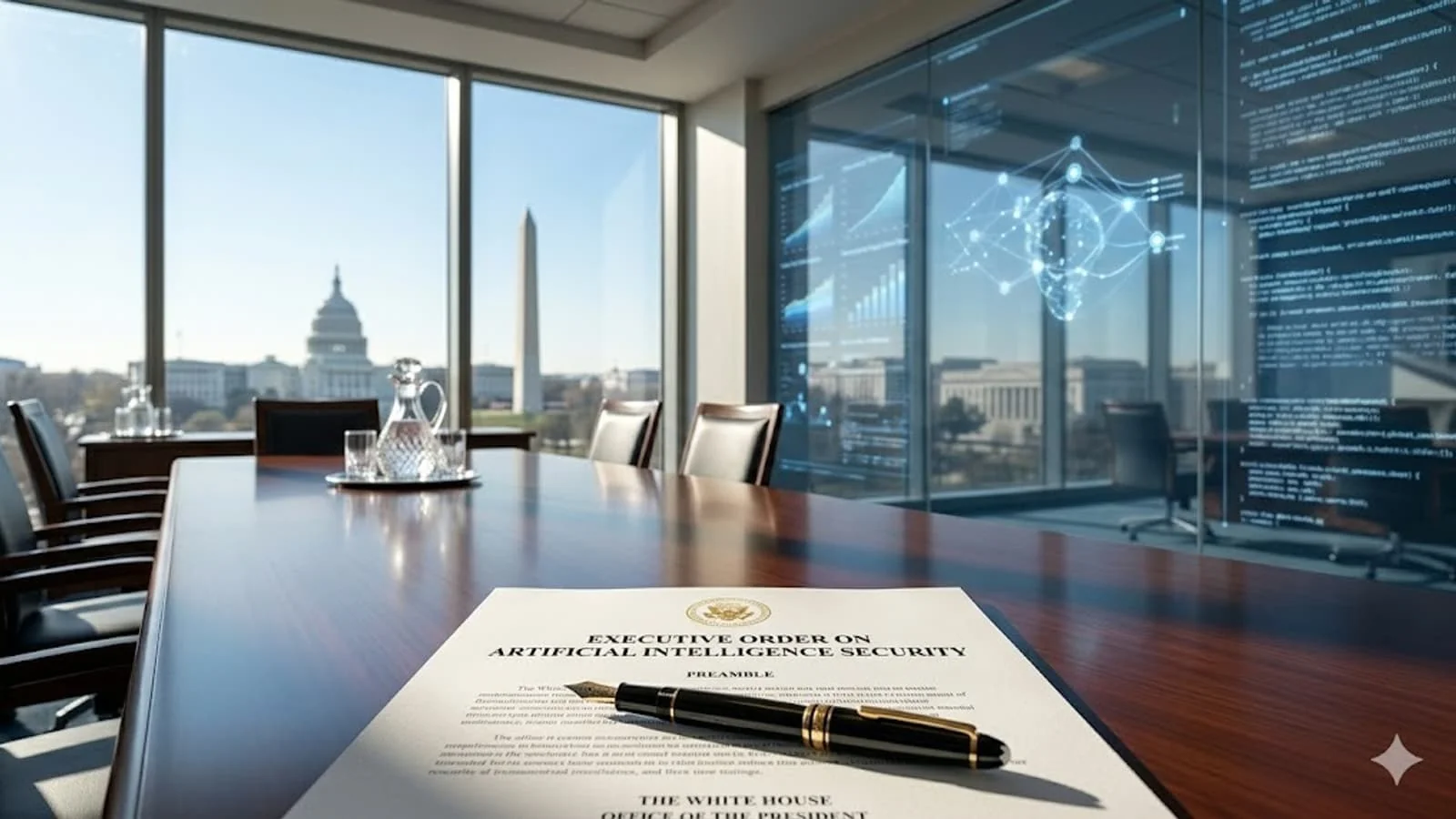
U.S. President Donald Trump has delayed signing an executive order that would require artificial intelligence models to undergo mandatory government review before being released to the public, according to Zamin.uz.
The head of state expressed concern that certain provisions in the document could negatively impact the country’s technological leadership. In a conversation with the White House press service, the president noted that some aspects of the order were unacceptable to him and emphasized the need to avoid any steps that could weaken the United States’ competitive position against China and other nations.
According to available information, the delay in signing the order stems not only from substantive objections but also from organizational challenges. Specifically, leaders of the nation’s largest technology companies were unable to travel to Washington on short notice.
The signing ceremony was originally planned to coincide with a meeting and photo session involving industry representatives. As a result, changes to the event schedule became a significant factor in postponing the document’s approval.
Under the anticipated framework, the National Cybersecurity Administration and other relevant federal agencies would have been required to develop a procedure for assessing the security of AI systems prior to their market release. This measure was designed in response to growing concerns about powerful systems capable of identifying software vulnerabilities and exploiting them for malicious purposes.
Experts have warned that placing such systems under oversight is critical for national security. One of the most debated provisions in the document was the new requirement imposed on companies.
Under this rule, developers would have been obligated to submit their new models to government agencies for review within a period ranging from fourteen to ninety days before making them available for use. This would have significantly increased state oversight during the creation and testing phases of AI systems.
However, some government sources have warned that such strict requirements could turn into a bottleneck that slows down innovation. At present, amid the global technological race between the United States and China, the issue of regulating artificial intelligence has become a delicate and complex matter.
On one hand, cybersecurity experts warn of potential risks posed by the next generation of models; on the other, technology industry representatives are calling for a reduction in bureaucratic hurdles. Although the signing process has been temporarily halted, intense debates over government oversight of AI are certain to continue in the future.