


Ferrari has presented its first electric vehicle
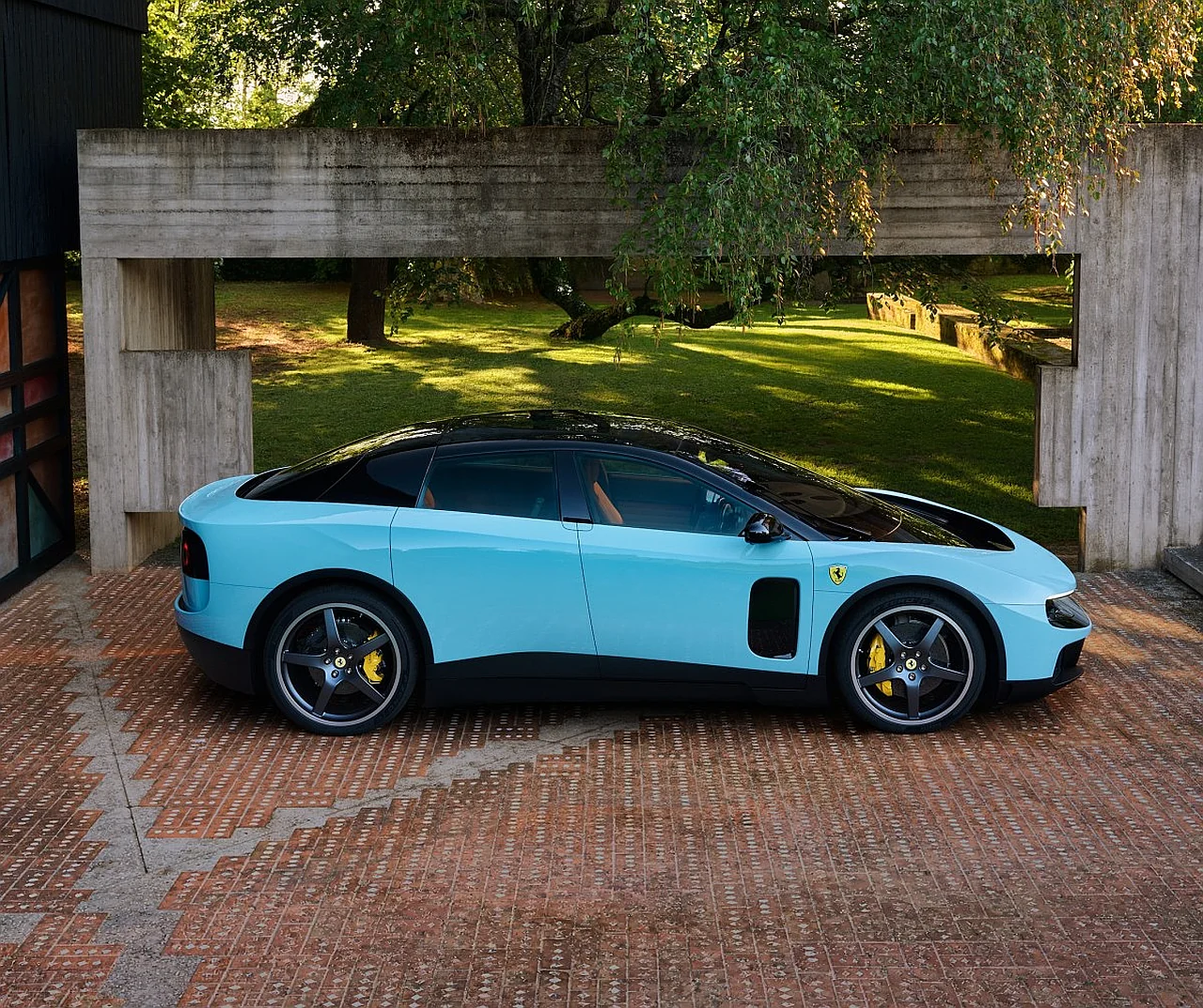
Ferrari, a leader in the Italian automotive industry, has unveiled its first fully electric model, the Luce, according to Zamin.uz.
The announcement sparked heated discussions among car enthusiasts worldwide. Notably, the design of this new five-seater model was led by Jony Ive, former chief designer at Apple, and his collaborator Marc Newson.
While the car’s technical capabilities are impressive, its exterior appearance has drawn significant criticism. In particular, despite boasting 1,000 horsepower and accelerating from 0 to 100 km/h in under two seconds, the vehicle’s design has been compared unfavorably to Tesla’s Cybertruck, becoming one of the most controversial projects in recent memory.
The Luce’s rounded, soft lines and resemblance to mass-market brands have drawn objections from many experts. Even influential financial publications have criticized the design as unexpected and somewhat inappropriate for a legendary brand.
Amid this backlash, the company’s stock price has begun to decline. The central question now is: who is this model, priced at approximately $650,000, actually intended for?
After all, Ferrari is known not only for its high prices but also for its extremely selective customer base. Reports indicate that the majority of Ferrari owners are long-time loyalists who have remained faithful to the brand for decades.
For those who have associated the Ferrari name for years with sharp, aggressive styling, the Luce’s smooth and gentle forms may seem puzzling. However, the retention of numerous physical buttons and rotary controls in the cabin could signal a new direction appreciated by automotive designers.
The realization of this project was largely driven by the European Union’s mandate, effective from 2035, to ban internal combustion engine vehicles. Designer Jony Ive likened the project to the shift from mechanical to electronic systems in renowned watch brands.
In his view, Ferrari must keep pace with the times while preserving its long-standing traditions and adapting to new technologies. Today, experts are still evaluating the car’s market position and how it will be received by consumers.