


The project to fill the artificial lakes with water in the district has been launched
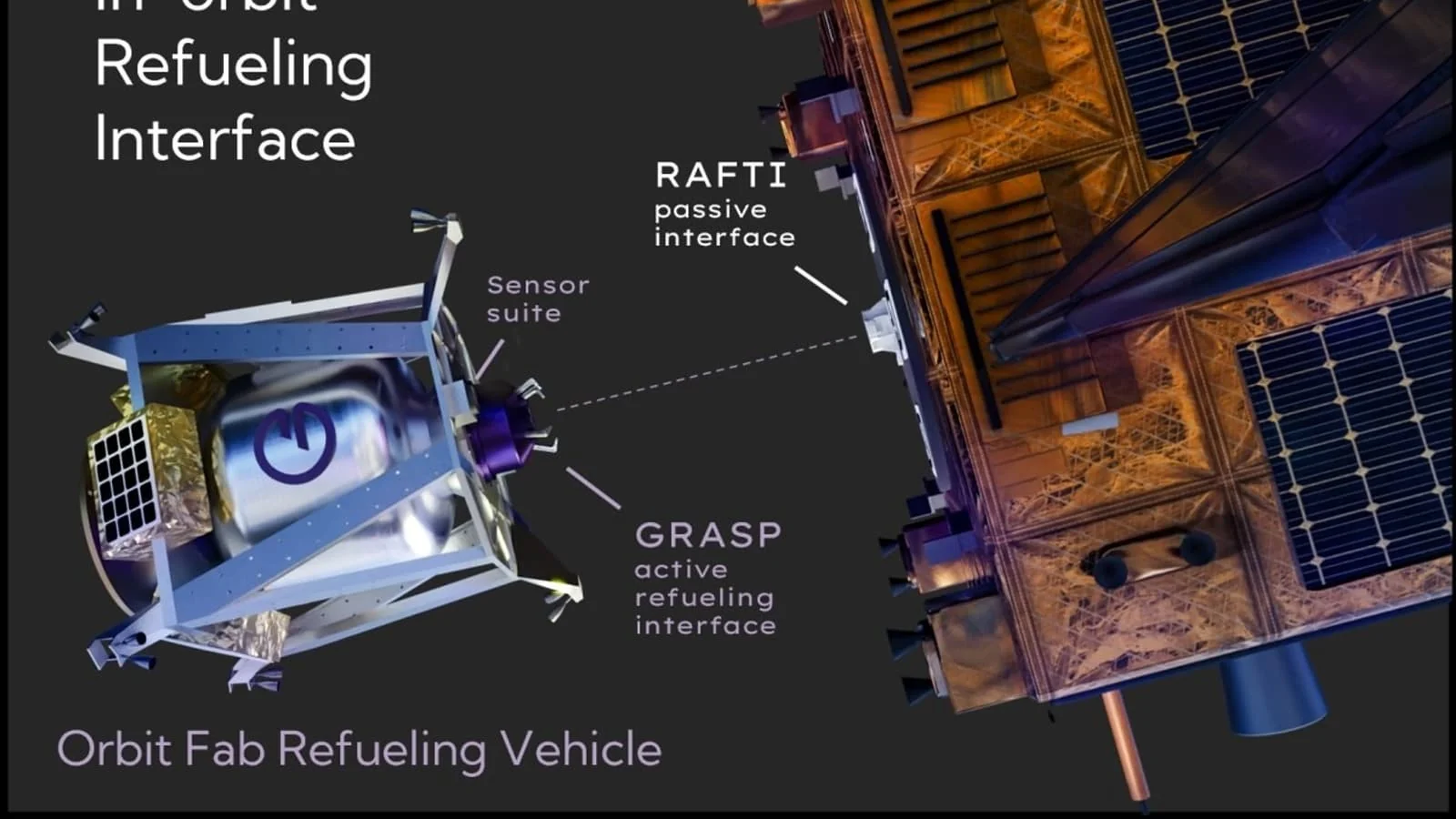
Orbit Fab and Thales Alenia Space have launched a new joint project to study the feasibility of refueling electric propulsion systems directly in orbit. This was reported by Zamin.uz.
Supported by the UK Space Agency, this initiative is considered a key part of Europe’s strategy to develop in-orbit servicing infrastructure and create reusable systems, with the potential to usher in a new era for the space industry.
The electric propulsion refueling project will be carried out by specialists from both companies based in the UK. As part of the collaboration, the primary focus will be on adapting Orbit Fab’s fluid transfer interface to Thales Alenia Space’s electric propulsion systems, particularly Hall-effect thrusters that operate on xenon gas.
This technology aims to enable long-term, efficient operation of spacecraft. The fluid transfer interface is a specialized port designed to connect spacecraft to orbital depots or servicing vehicles.
Previously, this technology was approved for use in military spacecraft by the United States Space Force, including in demonstration missions for transferring chemical propellants. Now, plans are underway to apply this experience to civil and commercial spacecraft.
To test the technology in practice, project participants will develop a dedicated ground test bench. This bench will allow verification of spacecraft component performance prior to final flight-ready assembly, practice fluid transfer procedures, and study methods for refueling electric propulsion systems.
Such tests are crucial for ensuring the safety of complex operations in space. The developed solution aims to significantly extend the operational lifespan of spacecraft and enhance their maneuverability capabilities.
Addressing the issue of spacecraft becoming inactive due to fuel depletion has become one of the most pressing priorities in the evolution of Europe’s space sector. In the future, this technology is also expected to have a positive impact by reducing orbital debris.