Russian scientists have set out to discover the 119th element of the periodic table
An important step has been taken toward the discovery of the 119th element of the periodic table of chemical elements within the framework of the new national project for atomic and energy technologies being implemented in Russia. This was reported by Zamin.uz.
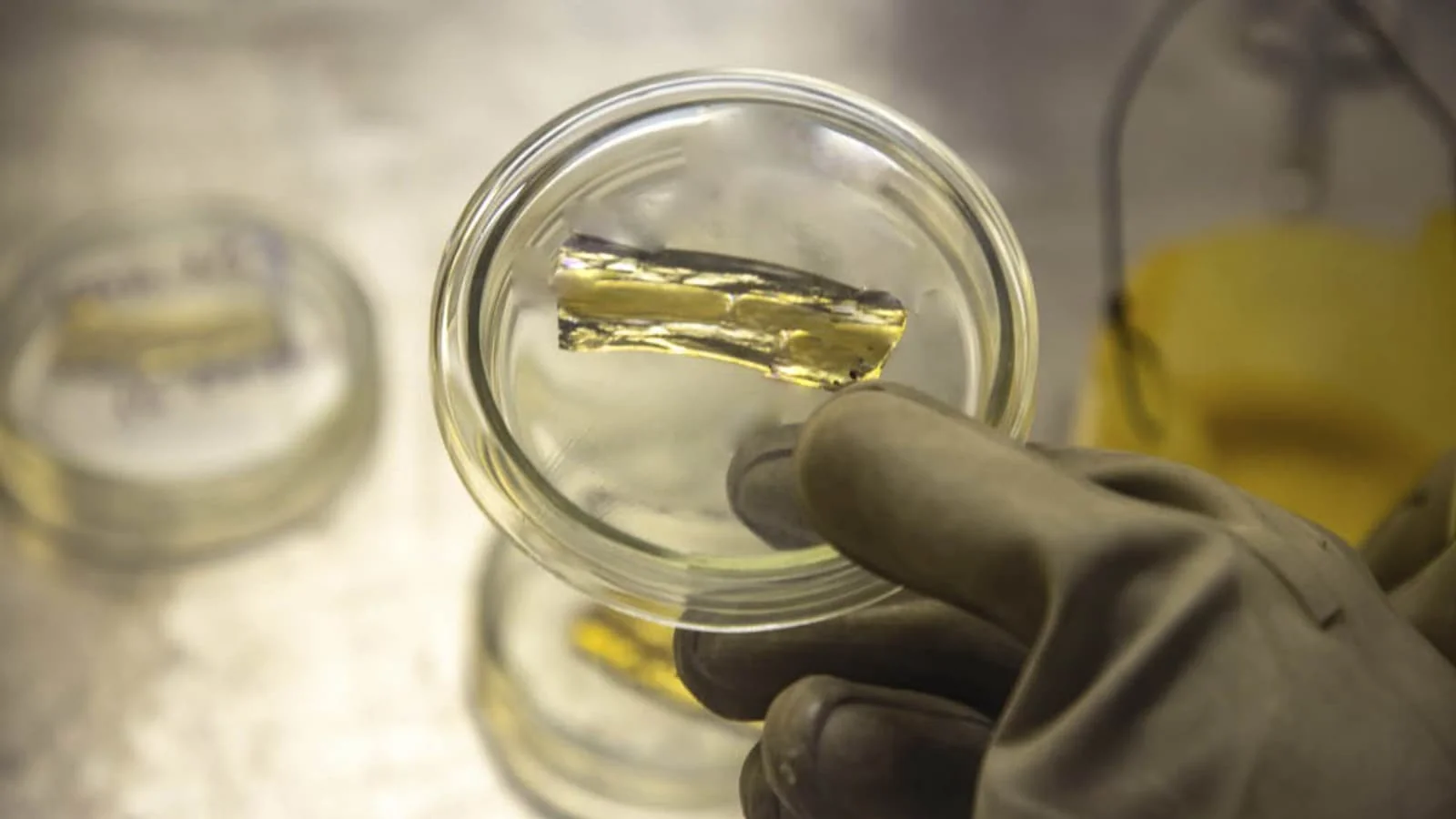
Specialists from the Scientific Research Institute of Nuclear Reactors have successfully developed the berkelium-249 isotope necessary for synthesizing this unique element. Special target components for a particle accelerator device were prepared from this substance.
Industry publications provided detailed information on this. To accomplish this extremely complex technical task, a separate methodology for obtaining isotopes of transplutonium elements was developed at the SM-3 research reactor.
The prepared target segments were delivered to the Flerov Laboratory of Nuclear Reactions, operating under the Joint Institute for Nuclear Research in the city of Dubna, to conduct scientific experiments. This laboratory is considered one of the most advanced nuclear research centers in the world.
According to Oleg Andreyev, head of the research institute's department, the preparation process for this large-scale experiment lasted nearly five years. Within the framework of the project, not only local scientists but also leading specialists from many foreign partner states are conducting joint research.
The initial conclusions and results of the ongoing research are planned to be announced to the public in the autumn of this year, specifically in September or October. Cooperation between the two large scientific institutions on the synthesis of superheavy elements has been effectively continuing for over twenty years.
Previously, as a result of the joint efforts and scientific research of these institutions, elements 115, 116, 117, and 118 of Mendeleev's table were discovered. Subsequent research will serve to further enrich humanity's knowledge about the structure of matter.