


Memory chip prices rise 70-90 percent in three quarters
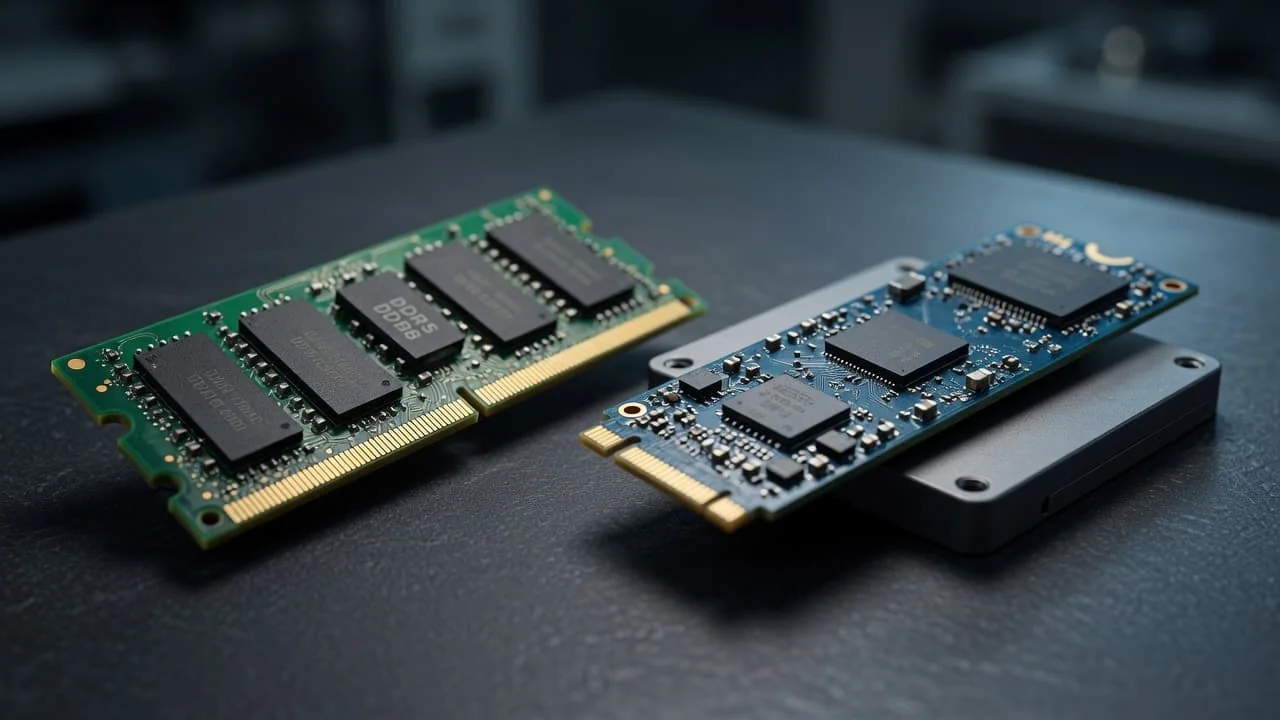
In the global technology market, memory devices—especially dynamic and static memory chips—are expected to see unprecedented price increases in the coming months and years, according to Zamin.uz.
A new report from analysts at Jefferies Financial Group, an investment bank based in New York, indicates that the second half of this year will turn into a serious financial test for both consumers and manufacturers. This trend will directly affect not only the core components of computers but also smartphones and server hardware.
According to Jefferies’ data, memory chip prices could rise by 40–50 percent in the third quarter of this year compared to the previous quarter, with another 30–40 percent increase expected in the fourth quarter.
Such a sharp rise will lead to higher production costs for technological devices and ultimately result in more expensive retail prices for end products. In Uzbekistan’s market, the impact of these global fluctuations will be clearly felt in the pricing of imported technology.
Experts emphasize that the pace of price increases will not be limited to just this year. Annual price growth is forecast to reach between 40 and 45 percent through 2027.
Jefferies analysts suggest that the market may only begin to stabilize slightly by 2028. Until then, demand is expected to remain above supply.
The independent research firm Aletheia Capital, based in Asia, supports these projections. Although Aletheia estimates a more cautious 30 percent increase for the third quarter, both organizations agree on one point: the tense situation in the memory market will not be resolved before 2028.
This means expecting affordable memory chips in the near future—over the next four years—is unrealistic. While a price decline is anticipated in 2028, it will be modest, likely around 15–20 percent.
This is linked to the gradual expansion of global manufacturing capacity. For now, manufacturers are directing their existing resources toward next-generation technologies.
For example, Samsung Electronics recently announced the launch of the industry’s fastest universal flash memory solution. In short, the advancement of artificial intelligence systems and the growing need for high-speed data processing are driving demand for memory chips to record levels.
For consumers, this is a serious signal to prepare for rising prices on new gadgets and computer components. In the coming years, memory devices will become one of the most expensive components in the cost structure of technological products.