


Eclipse Space begins delivering artificial satellites
Eclipse Space has announced the launch of a new startup. This was reported by Zamin.uz. This was reported by Zamin.uz.
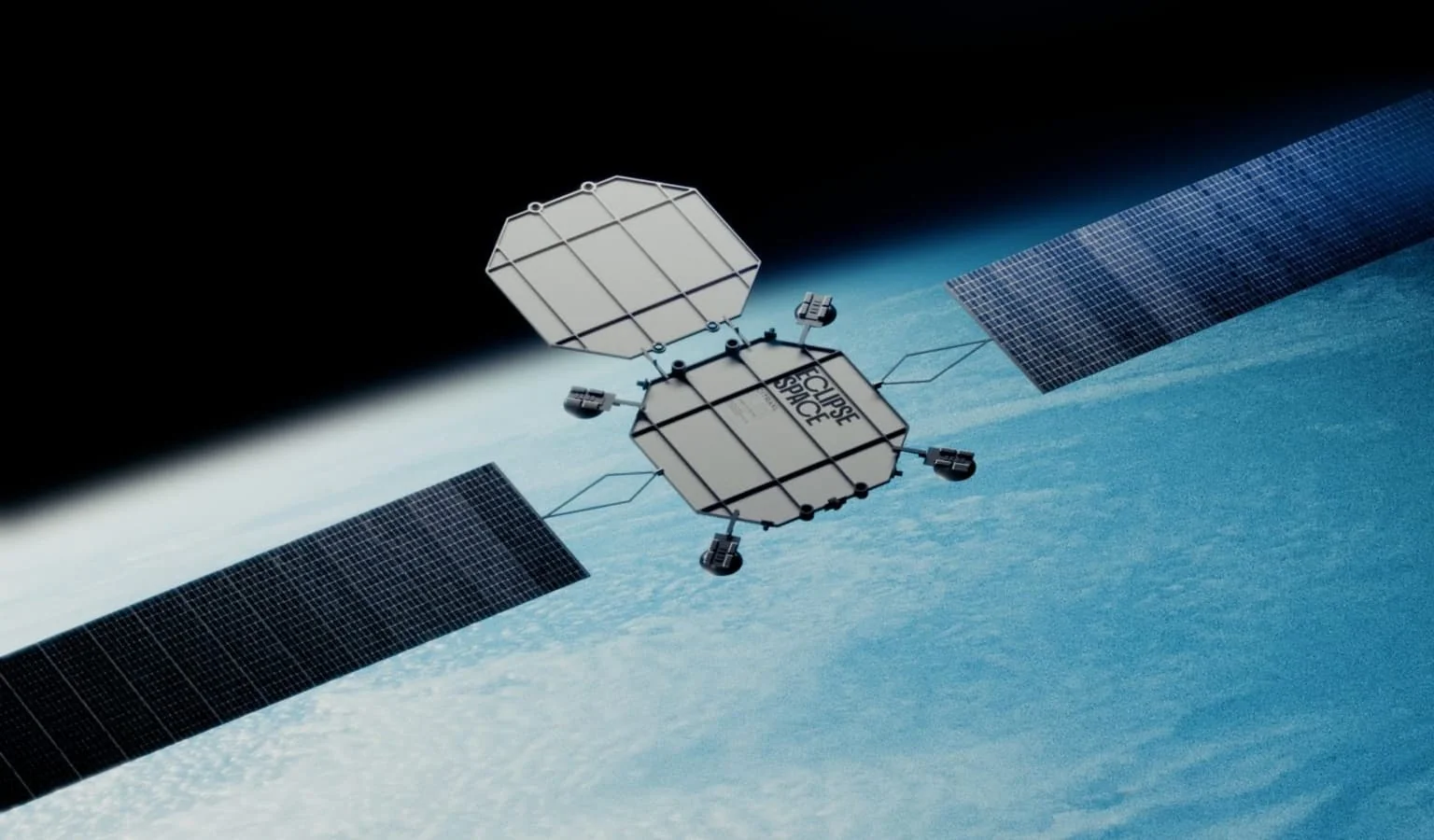
The company was founded by experienced SpaceX engineers. Its goal is to deliver ready-to-use and easy-to-manage artificial satellites for governments and large corporations.
Company launch and founders' experience Eclipse Space began operations a year ago in Redmond, Washington — a region known for manufacturing Starlink terminals.
The company's founder and CEO, Derek Uerta, previously worked at SpaceX as an engineer-manager in the useful payloads division for artificial satellites. According to him, the first devices will be delivered to customers by the end of this year.
Production model SpaceX uses a vertically integrated model, controlling all processes in-house. Eclipse Space has taken a different approach.
This is similar to Apple's model: the startup designs and develops the architecture of artificial satellites, but outsources manufacturing to regional partners.
This approach allows customers to have their own independent satellite constellation without needing to build SpaceX-level infrastructure. Currently, the company employs around 30 people.
Most of them are specialists who previously worked on the Starlink project. The team collaborates with experienced engineers in phased array antennas, software, and power systems.
Technical capabilities and future plans The company's first full-scale demonstration satellite is scheduled for launch into orbit in 2027. This device will be built on a platform weighing less than 100 kg.
It will include instruments for measuring radiation dose and monitoring plasma parameters. Operational satellites will feature S-band phased array antennas, V-band inter-satellite communication links, power systems up to 8 kW, and technology for direct connection to smartphones.
As Derek Uerta emphasizes, the current market for artificial satellite infrastructure is dominated by just a few countries and operators. Other nations are forced to rely on leasing capacity from other networks.
Eclipse Space aims to eliminate this imbalance by helping every country build its own independent constellation. In the future, the startup plans to scale its technology to the level of global broadband internet and even orbital data centers.
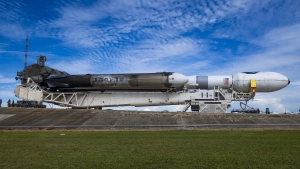
With a single powerful rocket, more than 20 satellites can be deployed into orbit — demonstrating the project's economic efficiency.
Eclipse Space is keeping its cards close to the chest and signaling readiness to reshape the market.