



Tech giants are turning their backs on NVIDIA
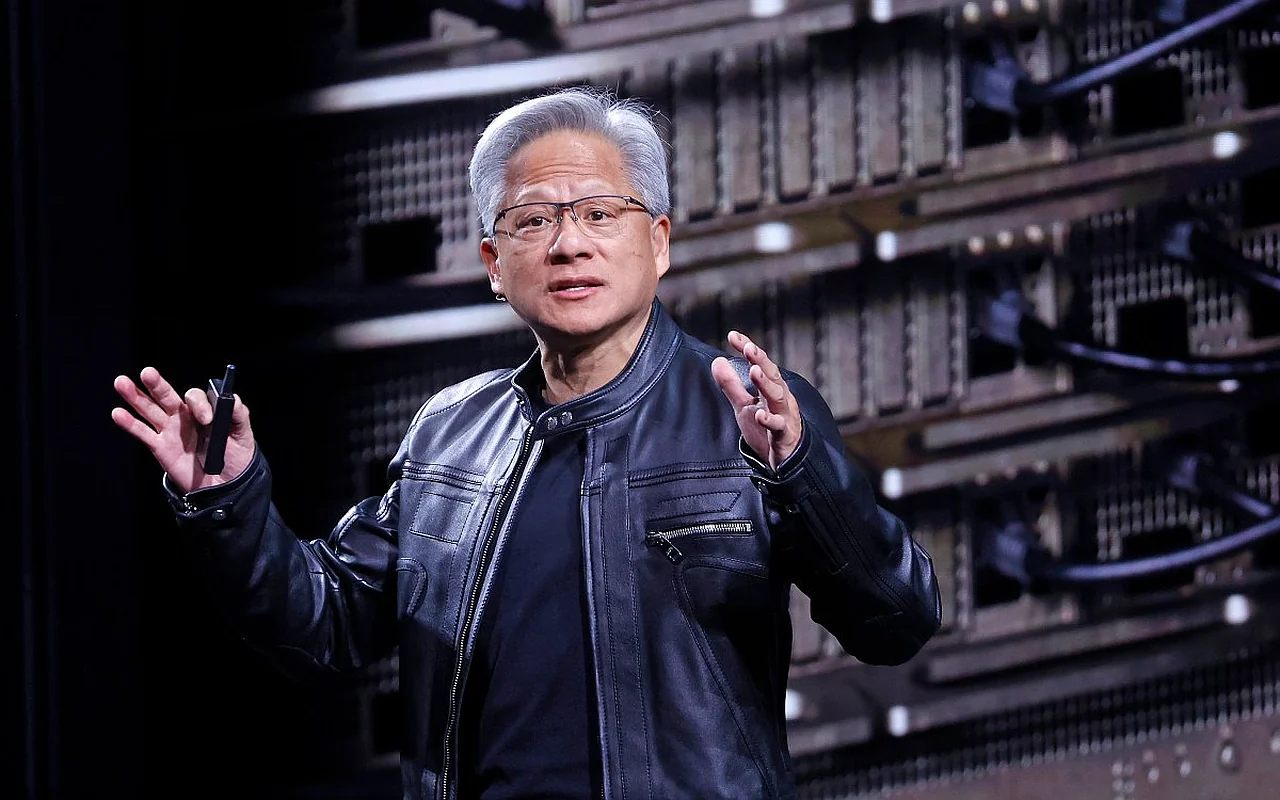
In the artificial intelligence and high-tech market, NVIDIA has long held absolute leadership, as reported by Zamin.uz.
However, recent trends show that major tech corporations are no longer willing to rely on a single supplier. Today, giants like OpenAI, SpaceX, and Google are seriously investing in developing their own custom chips.
This is reported by TechCrunch. As emphasized in the Equity podcast by TechCrunch, this move does not mean completely severing ties with NVIDIA, but rather diversifying risks.
By owning hardware tailored to their specific needs, companies aim not only to reduce costs but also to elevate product uniqueness to a new level. Recently, OpenAI, under the leadership of Sam Altman, announced it is working with Broadcom on a custom chip named Jalapeño.
This chip is designed to accelerate the operation of artificial intelligence models and optimize energy consumption. This step will enable OpenAI to significantly reduce infrastructure costs for products like ChatGPT.
Creating proprietary chips is not a new strategy. For example, Apple’s shift from Intel processors to its own M-series chips demonstrated to the world how much greater efficiency can be achieved.
We can now expect similar success in the fields of artificial intelligence and space technology. Elon Musk’s SpaceX is no exception.
Spacecraft and artificial satellites demand extremely precise and reliable hardware. Instead of using off-the-shelf solutions, designing their own chips provides SpaceX with technological independence and security.
This trend represents a serious signal for NVIDIA. Although the company currently offers the most powerful graphics processors, customers’ growing interest in custom solutions could shift the market balance.
Experts believe that in the future, specialized semiconductors tailored for specific tasks will be valued more than general-purpose chips. In summary, the tech world is moving away from a single-supplier model.
This not only intensifies competition but also lays the groundwork for new innovative breakthroughs in artificial intelligence and cloud computing. For users in Uzbekistan, this process is important because improved device efficiency and lower service costs are directly linked to these changes in the global chip market.