


BAE Systems Tests Radiation-Resistant Processor for Spacecraft
One of the biggest obstacles to space exploration and satellite technology is the intense radiation in open space. This was reported by Zamin.uz.
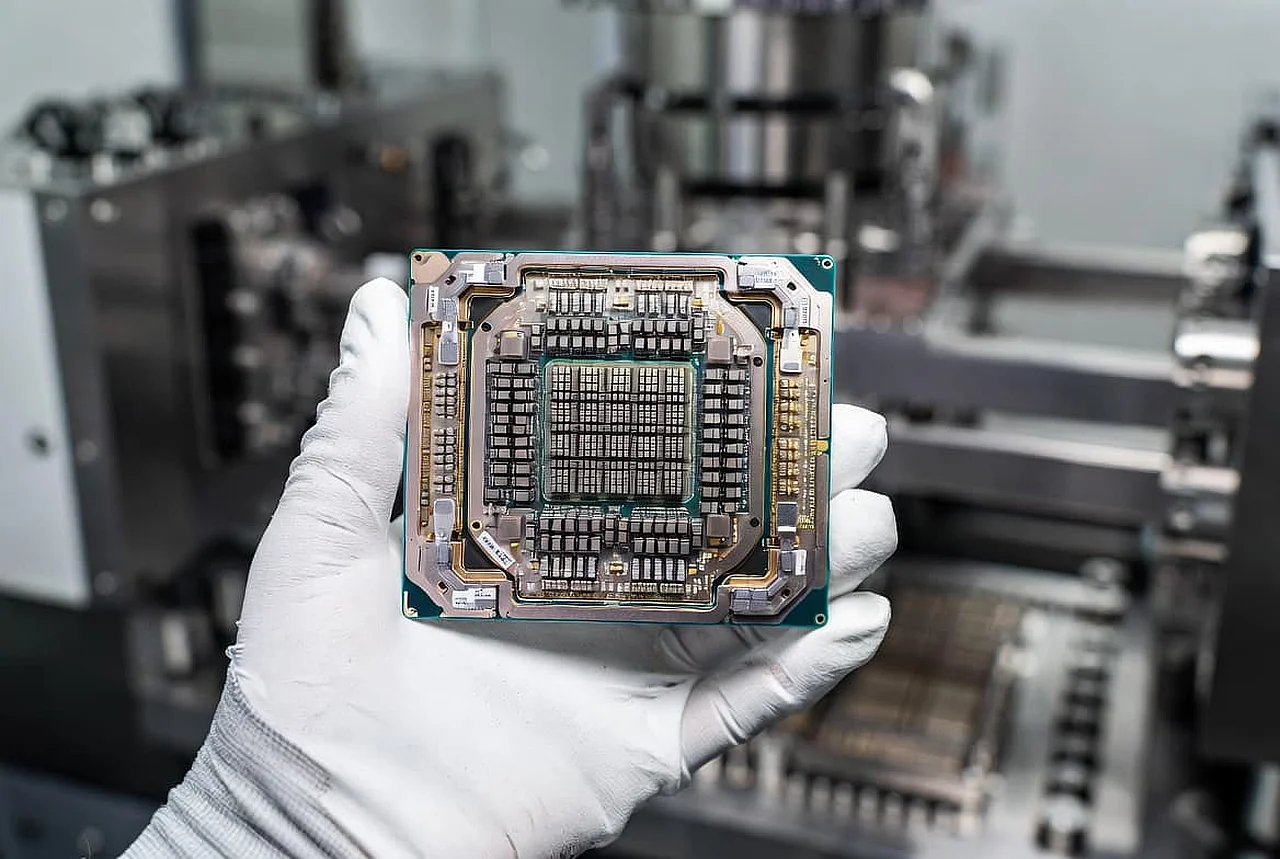
BAE Systems has taken a significant step toward solving this problem by successfully completing tests of the new Endura System-on-Chip processor designed for spacecraft and satellites. This chip can withstand not only natural cosmic radiation but also the high levels of radiation encountered during long-term missions.
The main danger for space electronics is that constant radiation causes errors in chip operation, can damage memory, and may completely disable processors. Therefore, special radiation-hardened systems are developed for interplanetary stations and military spacecraft.
The new processor presented by BAE Systems was created specifically for stable operation in such extreme conditions. The Endura SoC processor was produced using a 45-nanometer technical process based on the company's proprietary RH45 technology.
Production was established at the GlobalFoundries facility in New York state, USA. The use of silicon-on-insulator technology in the creation of the chip increases its radiation resistance several times over.
This allows for the production of essential components for space and defense technology entirely within the territory of the USA. The new processor integrates the following key elements: a central computing core and network interfaces, a secure boot system, first and second-level cache memory, and programmable FPGA logic blocks.
The presence of FPGA blocks allows the processor to be reconfigured to suit specific mission tasks. This serves to increase data processing speed and implement new functions without having to replace the chip.
The manufacturers emphasize that RH45 technology is suitable not only for this SoC but also for creating other space computing systems, including single-board computers and specialized electronics for satellites. BAE Systems is confident that this development will serve as the foundation for the company's next generation of space platforms.
The new processors will be used in both highly critical classic missions and in more affordable hardware. The company has already begun accepting orders for software development kits for the new processor.
Serial production will be carried out at BAE Systems' Manassas plant in Virginia. This plant is a trusted microelectro