India's Gaganyaan space mission postponed to 2028
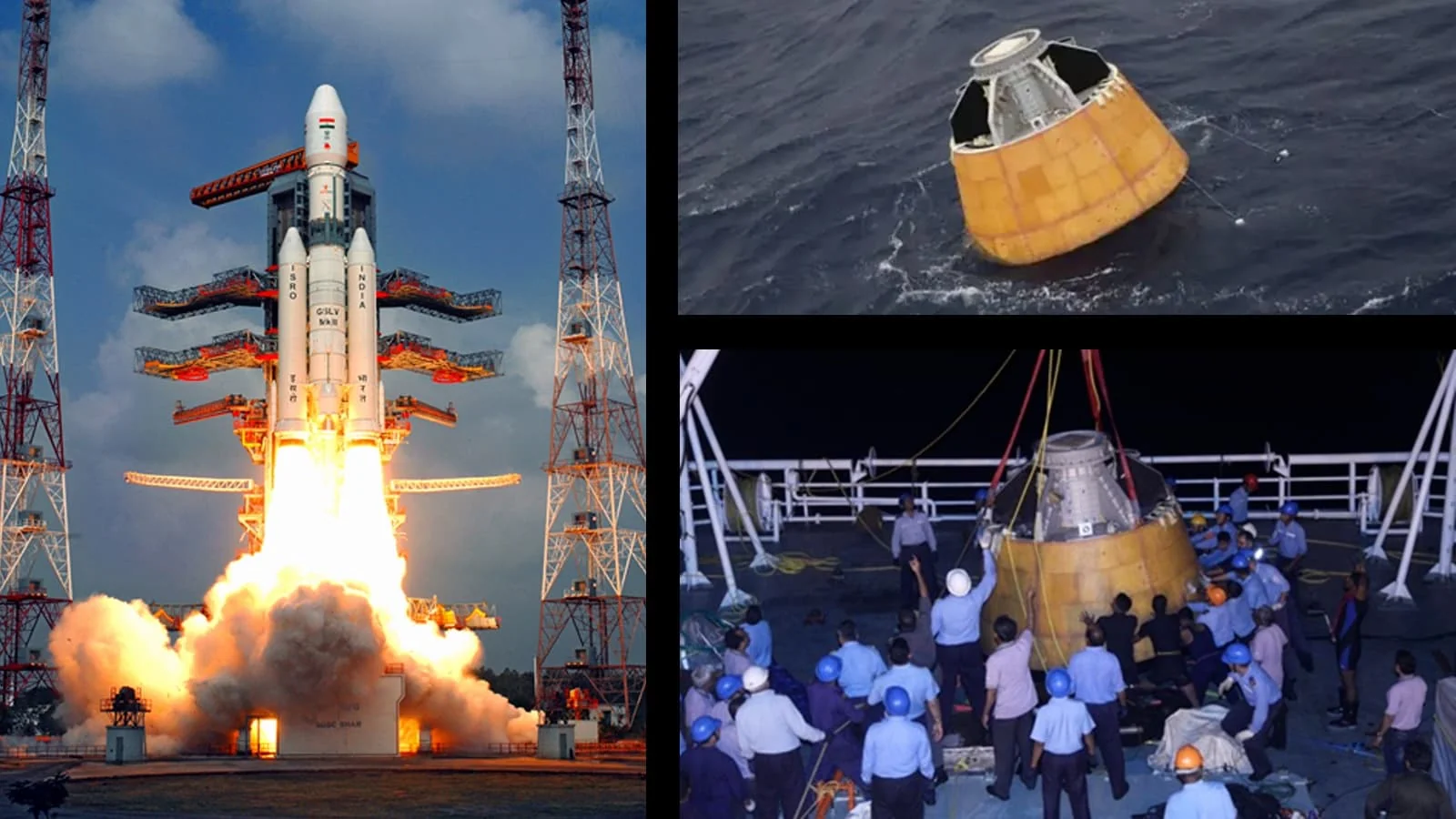
A historic step within India's national space program — the Gaganyaan mission — is facing unexpected delays. This was reported by Zamin.uz.
According to V. Narayanan, head of the Indian space research organization, it is highly likely that the plan to launch the country's first astronauts into orbit will be postponed until at least 2028.
This project is considered not only a technological achievement for India but also a strategic step toward securing a strong position among the world's space powers. According to initial plans, the Indian space research organization aimed to send the first Indian astronauts into space by the end of 2027.
However, a recent presentation held in Bangalore revealed that the mission schedule has been revised. The updated timeline indicates that the first of three planned unmanned test flights will not take place before the third quarter of 2027.
This naturally leads to the postponement of the manned flight to subsequent years. Explaining the project's delay, V.
Narayanan emphasized that the primary focus is being placed on crew safety. The Gaganyaan program is an extremely complex technological project, requiring the development from scratch of a rocket certified for human life and crew rescue systems for emergency situations.
The organization's head stated that, considering any malfunction could pose a risk to human life, the flight will not be carried out until all systems are fully ready. The Gaganyaan program is India's first project to independently launch humans into space.
The government has already approved the expansion of the program, which will include not only test flights but also long-term orbital missions. Currently, engineers are working on testing all systems, particularly the life-support modules, through unmanned flights.
Additionally, the organization's head touched upon the prestige of Indian specialists in the international arena during his speech. Specifically, an interesting incident occurred during the preparation for Axiom Mission 4, involving Indian astronaut Shubhanshu Shukla, who is set to travel to the International Space Station on a SpaceX ship in June 2025.
Indian experts demanded the flight be halted after a leak was detected in the rocket system. Interestingly, SpaceX specialists initially considered this problem insignificant.
However, due to the firm demand of V. Narayanan and D.
K. Singh, director of the Indian pilots' center, the flight was moved from June 11 to June 25.
Subsequent inspections revealed a crack in one of the rocket's main pipes. This incident proved that the level of preparation of the Indian space school and its specialists is not lagging behind global standards.
Despite this, problems continue within India's internal space program. The country needs to make even greater strides to maintain its independence in the space sector.