


Bureaucratic bottlenecks in the US are putting 92 gigawatts of energy projects at risk
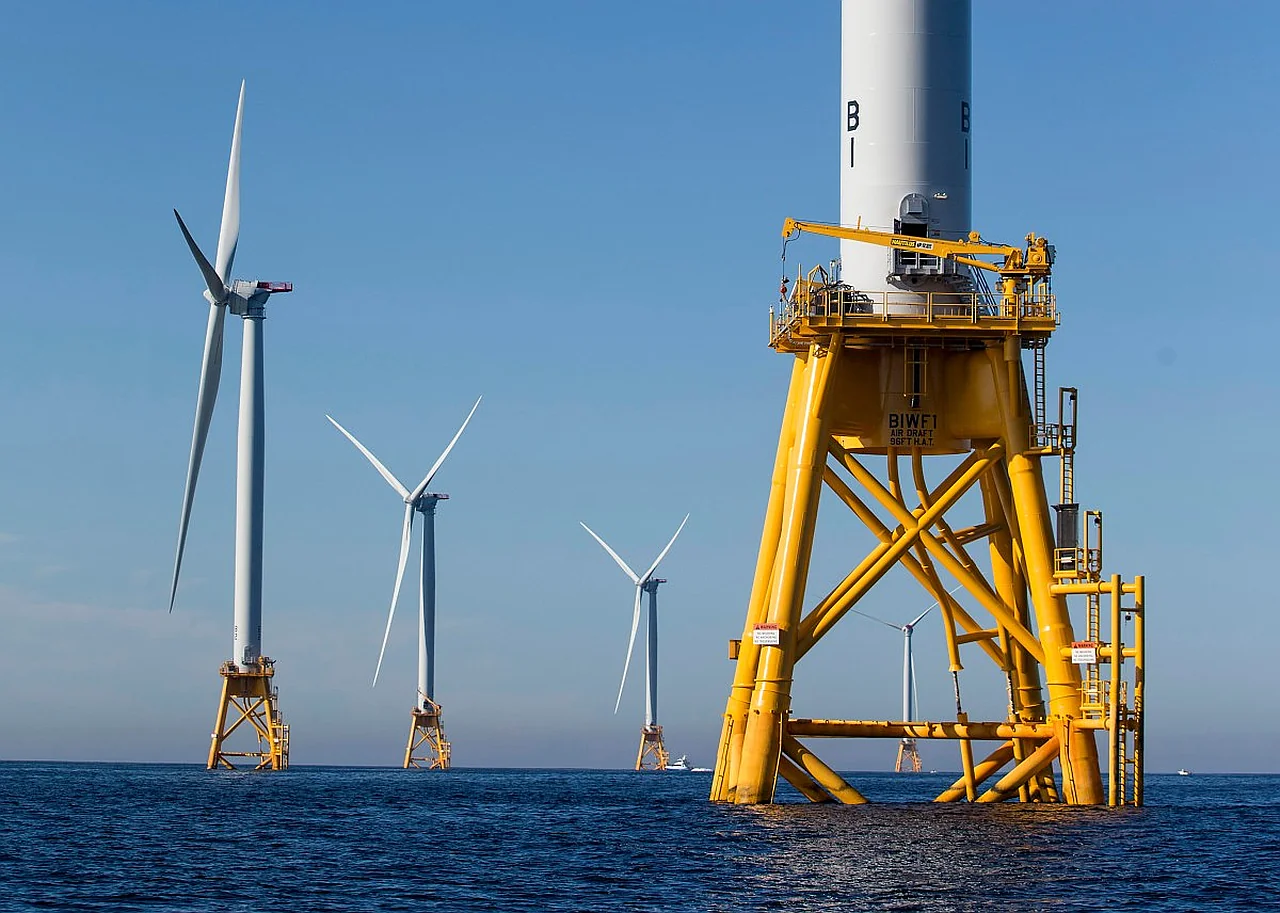
The growing bureaucratic hurdles and complex licensing processes under the new U.S. administration are putting at risk the addition of 92 gigawatts of new power capacity to the national energy system, according to Zamin.uz.
According to a report by Wood Mackenzie consulting firm, this situation could trigger serious problems at a time when demand for electricity is sharply rising due to the expansion of artificial intelligence data centers, as reported by Techcrunch.com.
If the currently planned 7 gigawatts of projects on federal lands are canceled, additional reviews could halt another 12 gigawatts of federal and 80 gigawatts of private projects, delaying over $121 billion in investments in the energy sector.
This could deal an unexpected blow to the U.S. economy, which is striving to maintain its position in the global technological race, especially given the growing tension between AI development and energy shortages.
For the past twenty years, electricity demand in the United States had remained nearly flat, but the widespread adoption of ChatGPT and other large language models has dramatically changed the situation.
According to forecasts by BloombergNEF analysts, by 2035, the energy consumption of data centers could nearly triple. In such conditions, any delay in connecting new generation capacity to the grid could easily lead to systemic disruption.
The complexity of the situation is underscored by the fact that the largest grid operators in the U.S. have significantly slowed the integration of new resources over the past four years, forcing tech giants like Apple, Google, and Microsoft to explore building their own independent power plants for data centers.
Otherwise, the expansion of AI infrastructure could stall due to energy shortages. While renewable energy remains in focus,
According to Wood Mackenzie data, nearly 90% of new power capacity brought online in 2025 came from solar, wind, and energy storage systems.
However, a new directive signed by U.S. Secretary of the Interior Doug Burgum specifically labels solar and wind energy projects as environmentally harmful and aims to restrict them, which is expected to slow the growth of the green energy sector.
Ironically, Burgum, as former governor of North Dakota, had previously been a strong supporter of wind energy and had set a goal for the state to achieve carbon neutrality by 2030. Now, the shift in federal policy is casting uncertainty over the fate of major projects in states like Oregon, Alabama, Minnesota, and Montana.
In particular, solar projects near private lands and wind farms that do not comply with airspace regulations are facing the greatest pressure. In short, the United States currently finds itself caught between two critical realities: on one hand, the massive energy demand required for the growth of the AI industry, and on the other, new bureaucratic obstacles hindering the implementation of projects needed to meet that demand.
If the federal government can balance these two directions, the country could simultaneously ensure energy security and technological leadership. Otherwise, energy shortages will not only weaken the AI sector but could undermine the entire economy.