


Honda to direct batteries designed for electric vehicles to energy systems
The famous Japanese automaker Honda has decided to shift its business strategy in a completely new and unexpected direction. This was reported by Zamin.uz.
The company's management has begun directing batteries produced at its plants in the USA toward data centers and large-scale energy storage systems instead of electric vehicles. This strategic move is directly linked to the instability of the global automotive market and the sharp increase in demand for modern technological infrastructure.
Prestigious publications are providing detailed information regarding this news. According to Nikkei Asia, Honda has launched the mass production of batteries intended for energy storage systems starting this week.
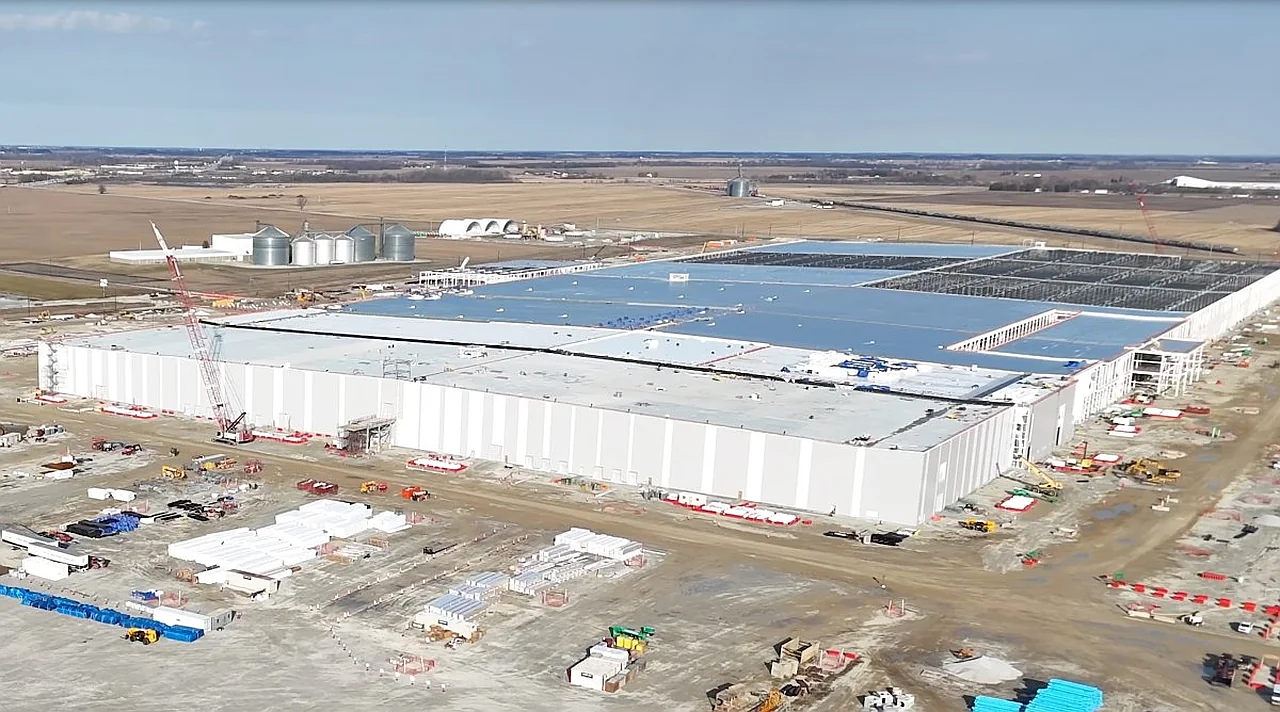
This change was implemented several months after the company halted its electric vehicle production programs in the USA. Batteries that were initially planned to be produced at the plant in Ohio in cooperation with LG Energy Solution will now serve in large server rooms rather than in vehicles on the streets.
Market changes and economic factors were the primary reasons for Honda's decision. A significant decrease in demand for electric vehicles in the US market, combined with the cancellation of government tax incentives, reduced consumer interest in this type of transport.
As a result, the company was forced to review its strategy in the last fiscal year and announced that it suffered significant losses due to structural changes. Nevertheless, Honda has not completely severed its cooperative ties.
On the contrary, following in the footsteps of competitors like Tesla, Ford, and GM, it realized that the battery business itself is a separate and highly profitable direction. Currently, the stationary energy storage device market is growing at a rate of over thirty percent per year, which opens new doors of opportunity for manufacturers.
According to experts, the volume of this market is expected to increase several-fold by the end of the current decade. Energy storage systems are of critical importance for ensuring the uninterrupted operation of data centers, stabilizing electrical grids, and the efficient use of solar and wind energy.
This direction is not only promising but also extremely profitable. For example, some companies are making twice as much profit from their energy storage devices as they do from car sales.
Honda aims to become part of this high-income chain. In the context of Uzbekistan, battery reserves for data centers and renewable energy sources are also a pressing issue.
The entry of large brands like Honda into this field will undoubtedly contribute to the reduction in cost and the popularization of energy storage technologies in the future. Such technological innovations play an important role in developing the digital economy and ensuring energy security in our country.