New feature in WhatsApp causing serious security concerns
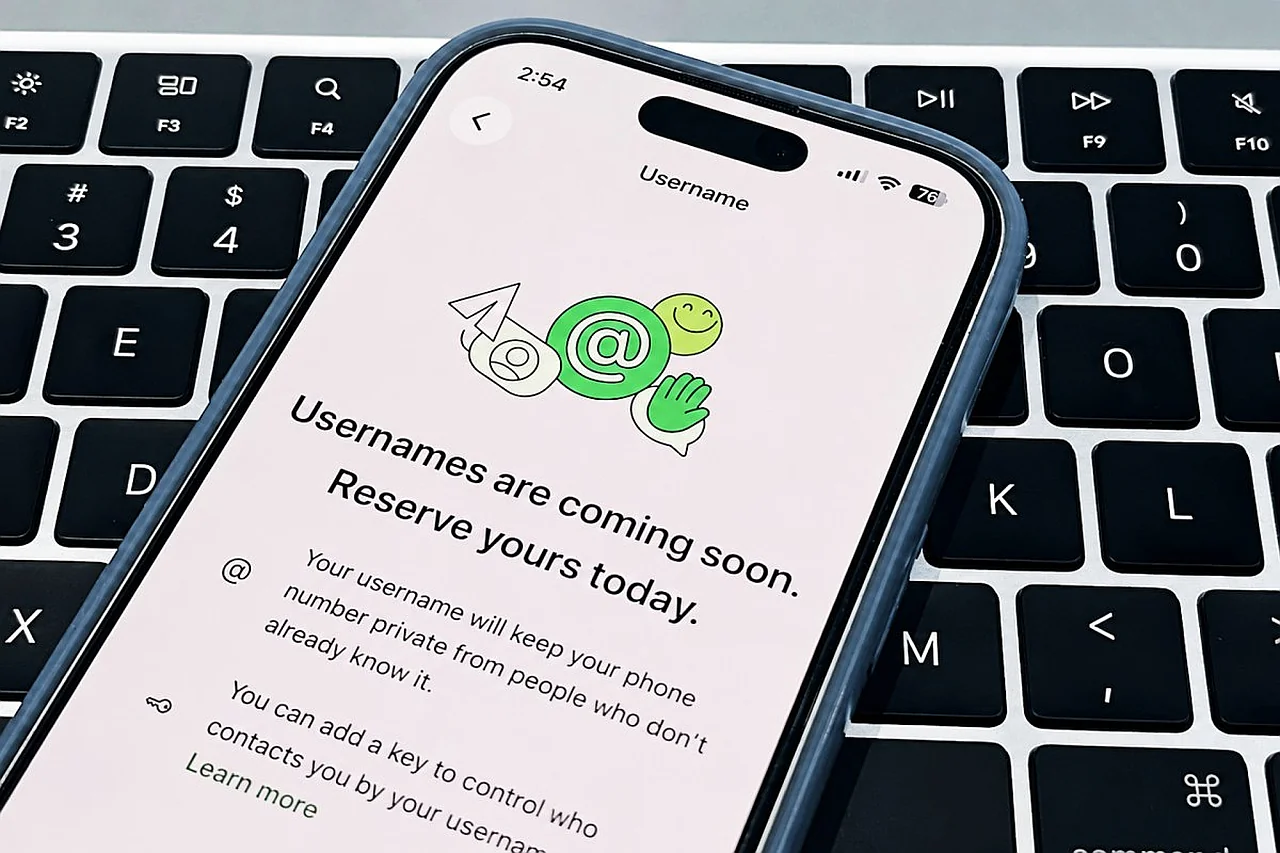
WhatsApp, one of the world's most popular communication networks, has begun providing users with the ability to choose special usernames instead of phone numbers. Zamin.uz reported on this.
This update is expected to be open to everyone by the end of the year. However, even before the new function is fully launched, it is causing serious concerns among security experts and state regulatory bodies.
International publications are reporting on this. The point is that while using usernames increases privacy, it may increase cases of impersonation and fraud.
During initial tests, it was discovered that usernames very similar to those of famous politicians, stars, and large organizations are still open for registration. This could open wide opportunities for criminals.
In India, which is considered the messenger's largest market, this issue is being reviewed at the state level. The country's relevant ministries have sent an official warning letter to the network's management.
According to the regulatory bodies, usernames could further fuel cyber-fraud and the spread of fake news. This is because criminals will be able to send messages in the name of influential figures without revealing their phone numbers.
The Meta corporation emphasizes that it has its own protection system in this regard. According to company representatives, special names for public figures, government agencies, and certain brands have been pre-reserved.
However, the corporation has not disclosed the criteria for which specific names it protects. For example, some large entrepreneurs have reported that they were unable to reserve their traditional names from other platforms on this network.
The Indian government is demanding that the network administration not fully launch this function until consultations are completed. The ministry emphasizes that an increase in attacks carried out in the name of banks and law enforcement agencies poses a social risk.
This topic is also relevant for Uzbek users, as fraud carried out via the messenger is frequently observed in our region. On the other hand, digital rights organizations are criticizing this government intervention.
In their view, the fight against fraud should be conducted through the enforcement of criminal law rather than through technological restrictions. Otherwise, state bodies may exert unjustified pressure on the product design and service methods of private companies.
A final decision on these controversial issues is expected in the coming months.