


Wisk Aero files lawsuit with court over safety concerns
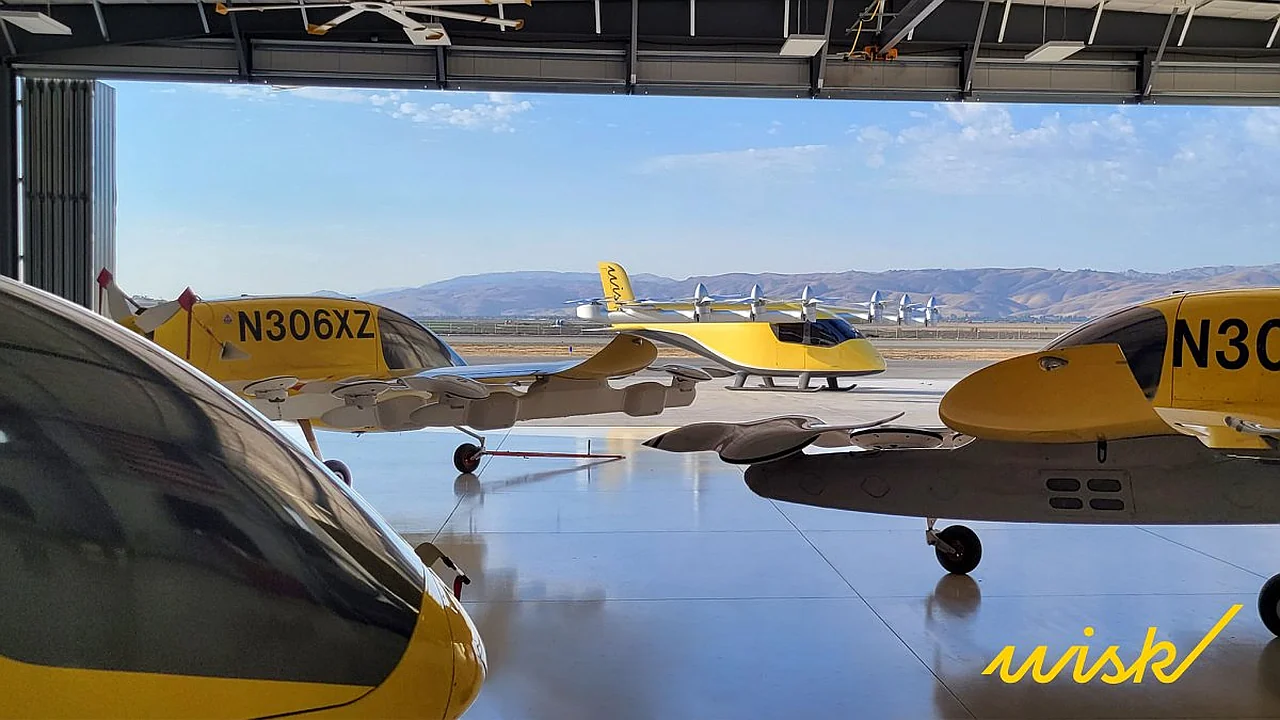
Wisk Aero, a startup owned by aviation giant Boeing, has found itself at the center of serious legal disputes, according to Zamin.uz.
Former software procurement manager Brian O’Neill filed a lawsuit claiming he was terminated after raising concerns about the safety of autonomous air taxis. The case has sparked significant questions about how rigorously safety standards are being upheld for electric vertical takeoff and landing (eVTOL) aircraft, which are seen as the future of urban air transport.
According to the complaint filed in Santa Clara Superior Court, O’Neill stated he prepared two internal reports highlighting that Wisk Aero engineers had deliberately reduced the scope of software testing required by the U.S. Federal Aviation Administration (FAA) in order to meet deadlines for planned 2025 test flights.
This, he alleges, compromises the technical reliability of vehicles designed to carry passengers in the near future. O’Neill claims that despite submitting a second internal complaint, he was fired several weeks later without any valid justification.
In his lawsuit, he alleges not only wrongful termination but also retaliation. Boeing has so far declined to comment officially on the ongoing litigation.
Founded in 2019, Wisk Aero is one of the most prominent companies developing electric air taxis capable of vertical takeoff and landing. Its primary goal is to deploy fully autonomous, pilotless aircraft for commercial use.
Competition in this space is intense, with multiple firms racing to dominate the market. In early 2024, the FAA granted participation in a three-year test program to eight companies, with Wisk Aero being one of them, based on their safety and performance track records.
If the lawsuit confirms that safety testing was improperly scaled back, it could have serious consequences not only for the company’s reputation but also for its ability to obtain flight certifications. Violations of safety regulations in aviation have historically led to severe consequences.
Even as countries like Uzbekistan plan to integrate air taxi services into their future transportation networks, the controversy surrounding such tech giants underscores the critical importance of adhering to international standards. While Wisk Aero representatives have remained silent on the matter, observers expect the legal process to bring greater transparency to many of the hidden challenges in this innovative sector.