Samsung to raise memory chip prices by 20 percent
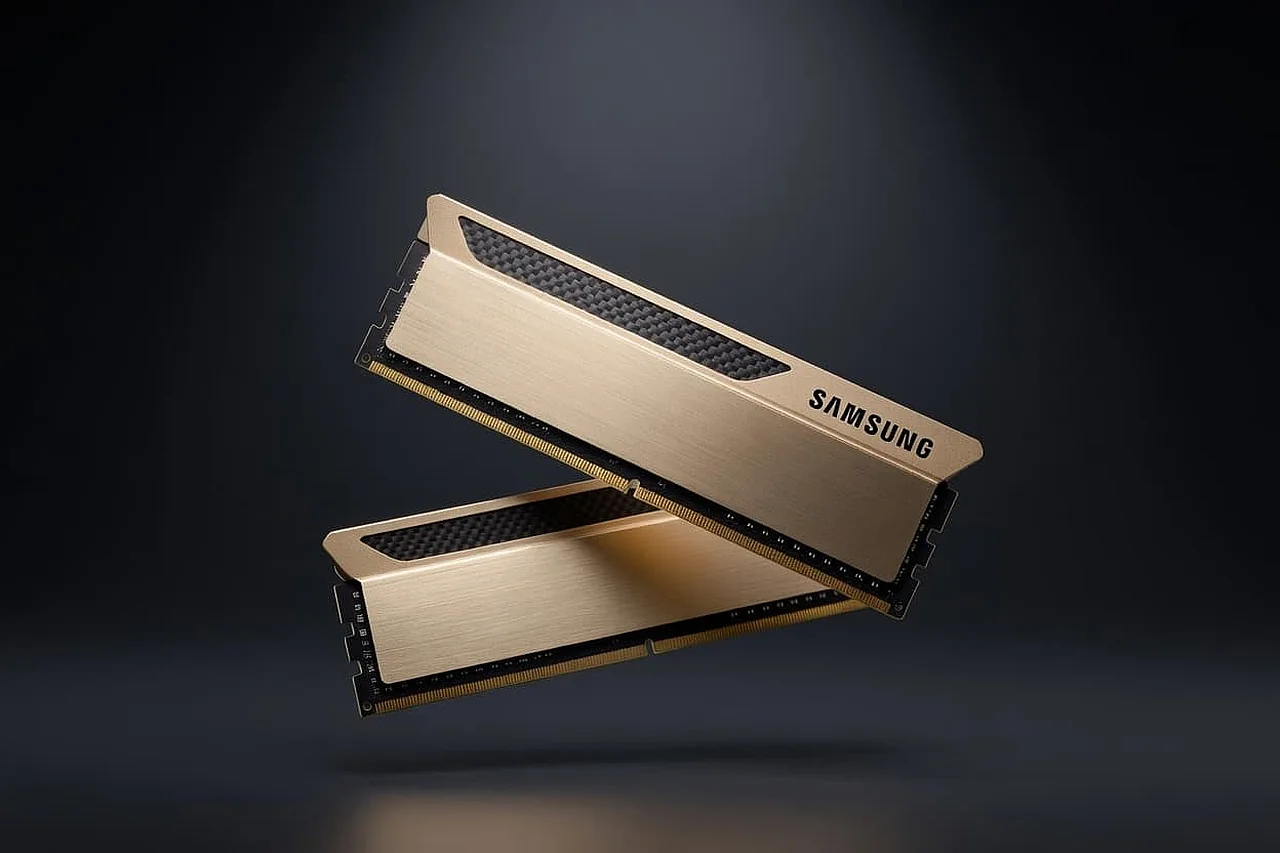
Samsung, a leading player in the global electronics market, has decided to raise the prices of its memory chips in the next phase. This was reported by Zamin.uz.
The company has officially warned its partners and major customers that the average selling price of its products is expected to increase by approximately twenty percent in the current quarter. This situation is expected to directly affect not only industrial equipment but also the prices of smartphones and laptops used by ordinary consumers.
This information is being widely covered by international technology publications. According to analysts’ assessments, the rise in Samsung product prices continues the stable growth trend observed in recent months.
Figures show that in the first quarter of this year, the average price of memory chips was around ninety percent, and in the second quarter, it rose further to sixty percent. Against the backdrop of the new pricing policy, modern memory chips with high performance are expected to become significantly more expensive.
This will inevitably affect the overall price balance in the technology market. Experts believe the main reason for the price increase is the rapid development of artificial intelligence technologies.
Currently, large data centers require massive amounts of high-speed memory to support complex language models. Analysts estimate that in the third quarter, overall prices for memory devices could rise by as much as eighteen percent, while flash memory designed for data storage could increase by up to fifteen percent.
The fact that demand exceeds supply gives manufacturers the ability to control prices. This process will not leave the Uzbek market unaffected.
In our country, the majority of laptops and smartphones sold are based on Samsung components. If previously six gigabytes of high-speed memory was considered a standard specification, now such devices may enter the high-price segment or their overall value may increase significantly.
This requires consumers to be more careful when choosing technology. Major technology brands, including Apple, have already begun incorporating the rising cost of components into the final product price.
For example, the high price of some new models is explained precisely by the increase in the cost of memory and other components. This situation is especially noticeable in the segment of powerful smartphones and gaming-oriented laptops in the second half of the year.
For consumers, these changes mean an increase in purchase costs. The rise in memory chip prices primarily affects flagship smartphones with high performance, laptops designed for gamers, and premium-class thin computers.
At present, production volumes are unable to fully meet the growing demand. The shortage of components necessary for artificial intelligence infrastructure persists, so talking about price reductions is still premature.
Experts advise users planning to buy new devices not to delay their purchase, as there is a high likelihood that prices will rise further in retail stores by the end of the year.