Personal data of millions of US citizens left vulnerable
In 2026, the first half of the year proved that cybersecurity is no longer just a technical concern—it has become a central pillar of global security. This was reported by Zamin.uz.
Today, conflicts in the digital sphere are unfolding alongside physical warfare. States are using citizens’ data as weapons, botnets are attacking democratic institutions, and hacker groups are targeting critical infrastructure—creating serious threats.
One of the most significant events of the year was the data breach at the U.S. Social Security Administration. During an efficiency initiative led by the Department of the personal data of millions of Americans was left exposed.
According to reports, department officials may have uploaded a live database containing Social Security numbers to an unsecured third-party server. This has sparked intense legal debates in federal courts.
Critics warn that this database could have been exploited by political groups to allege voter fraud in elections.
In Europe, the cybersecurity situation has also sharply deteriorated.
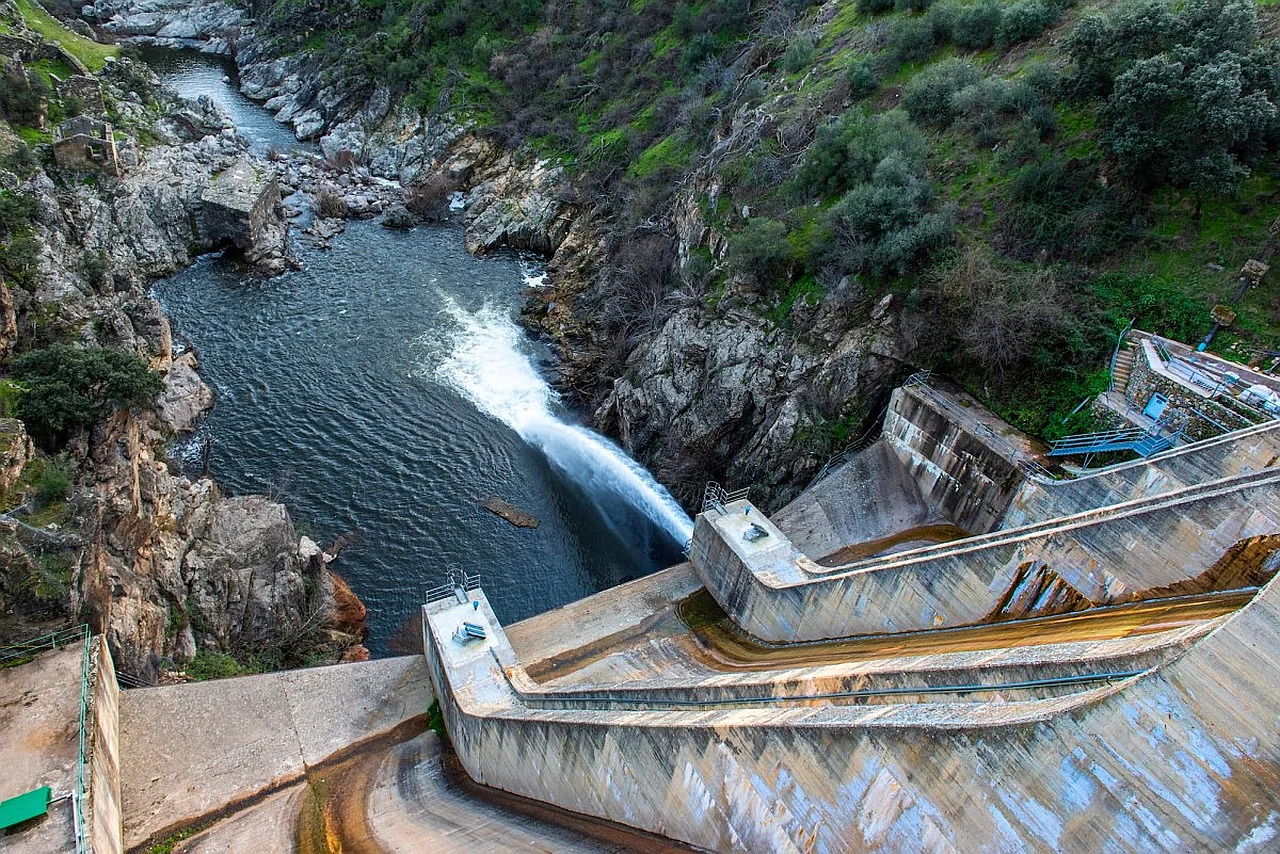
In particular, attacks on civilian energy and water supply systems have increased significantly. Power grids in countries such as Poland, Sweden, and Norway, as well as heating plants, have come under malware attacks.
Notably, in one Norwegian fjord, uncontrolled fluctuations in water levels were observed. Experts believe such actions may be part of a hybrid warfare strategy aimed at sowing societal panic and disrupting strategic resources.
In the new phase of global cyberwarfare, amid U.S. and Israeli military actions against Iran, cyberattacks in the digital domain have intensified. Iranian hackers have been warned to be targeting critical U.S. infrastructure, especially private water utilities.
These facilities often lack modern defense systems, making them easy targets.
The events of the first half of 2026 show that cyberattacks are no longer just about financial gain—they have become tools for exerting political pressure and destabilizing nations.
At the same time, government systems, energy networks, and personal data repositories remain among the most vulnerable points.