


SpaceX is building AI compute clusters in the community
SpaceX, led by Elon Musk, is preparing to take a revolutionary step in space technology, according to Zamin.uz.
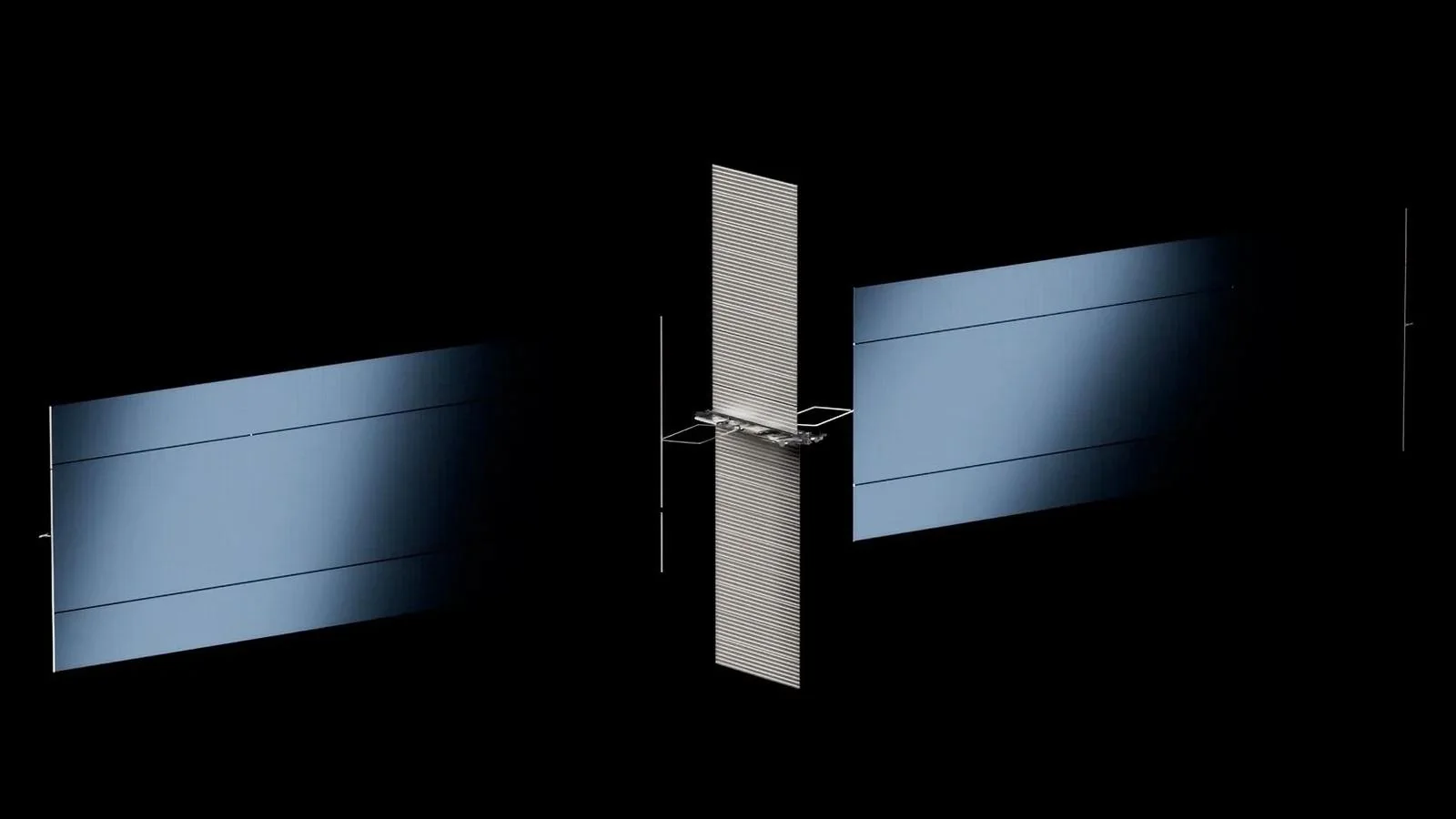
The company has announced the technical capabilities of a new generation of artificial satellites designed to perform artificial intelligence computing tasks in orbit as part of its Starmind project.
These devices are expected to significantly reduce the load on ground-based servers by creating data processing centers in space.
International industry publications have provided detailed information about this development. According to the company’s official data, each artificial satellite will have a computing power ranging from 120 kilowatts to 150 kilowatts.
This figure is comparable to the power of the most advanced server systems on Earth. Such high performance enables direct processing of artificial intelligence algorithms in space, without needing to transmit data to ground-based centers.
This will bring data transmission and analysis speed to a new level. The dimensions of the new devices are planned to be significantly larger than the existing Starlink satellites.
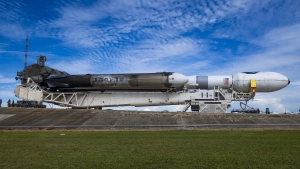
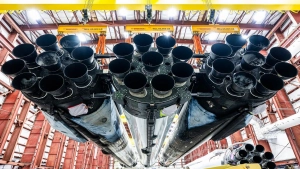
According to estimates, their height will be equivalent to a seven-story building, with the total length of solar panels reaching 70 meters. To launch such massive structures into orbit, SpaceX will use its most powerful rocket system.
Since traditional cooling systems do not function in space due to the lack of atmosphere, engineers have developed a cooling technology using special fluids. Radiators with a total area of 110 square meters will dissipate excess heat into space.
Additionally, the devices will be equipped with a special protective coating to shield them from space debris and micrometeorites. SpaceX specialists emphasize several advantages of data centers in space.
First, continuous and highly efficient use of solar energy is possible in orbit. Second, this technology does not harm the Earth’s ecological environment or water resources, as cooling ground-based servers requires large amounts of water.
Third, data is exchanged via laser communication channels at extremely high speeds. Within the project, processed data will be transmitted to Earth through the Starlink system.
The company has already submitted an application to relevant government agencies to create a system comprising up to one million artificial satellites.
Initial test devices are scheduled to be launched into orbit by the beginning of 2027.
In the future, a new factory will be launched for the mass production of these devices.
This strategic step could transform SpaceX from merely an internet provider into a leading participant in the global artificial intelligence infrastructure.