


US company offers safe sodium ion batteries for homes
The US-based company Unigrid Battery has launched new energy storage systems based on sodium-ion technology designed for households. This was reported by Zamin.uz.
These innovative devices, named Na+Casa, are distinguished from traditional lithium-ion batteries by their durability and high level of safety. Currently, the first devices have begun to be installed in private households in Europe.
Entry into the US market is planned for 2026, once the necessary certification processes are completed. This system is primarily developed for homeowners who use solar panels.
The device collects excess electrical energy produced during the day, allowing it to be used during the evening and night. Additionally, it serves as a reliable backup source when power outages occur in the electrical grid.
This technology is considered a very promising solution for regions like Uzbekistan, where there are many sunny days and ensuring energy stability is important. The device's technical capabilities and long-term warranty are noteworthy.
The system is based on sodium-ion technology, which is the company's proprietary development. The capacity of this battery for home use is 9.25 kilowatt-hours.
According to the manufacturer, the system is designed to operate efficiently for approximately 25 years. This figure is nearly identical to the service life of modern solar panels, freeing consumers from the worry of replacing the battery for a long time.
Another important advantage of the new system is its easy adaptation to existing infrastructure. The battery can work seamlessly with many hybrid inverters available on the market.
This allows a new battery to be added to previously installed solar power plants without any complex modifications. Unlike the widely used lithium-ion batteries of today, sodium-ion technology has several key advantages.
First, the safety level is high, as such batteries are less prone to fire and explosion. Second, the system operates stably across a wide temperature range, from minus 40 to plus 60 degrees.
Third, sodium raw materials are much more widespread and a cheaper resource compared to lithium. The Unigrid company was established in 2021 at the University of California in San Diego.
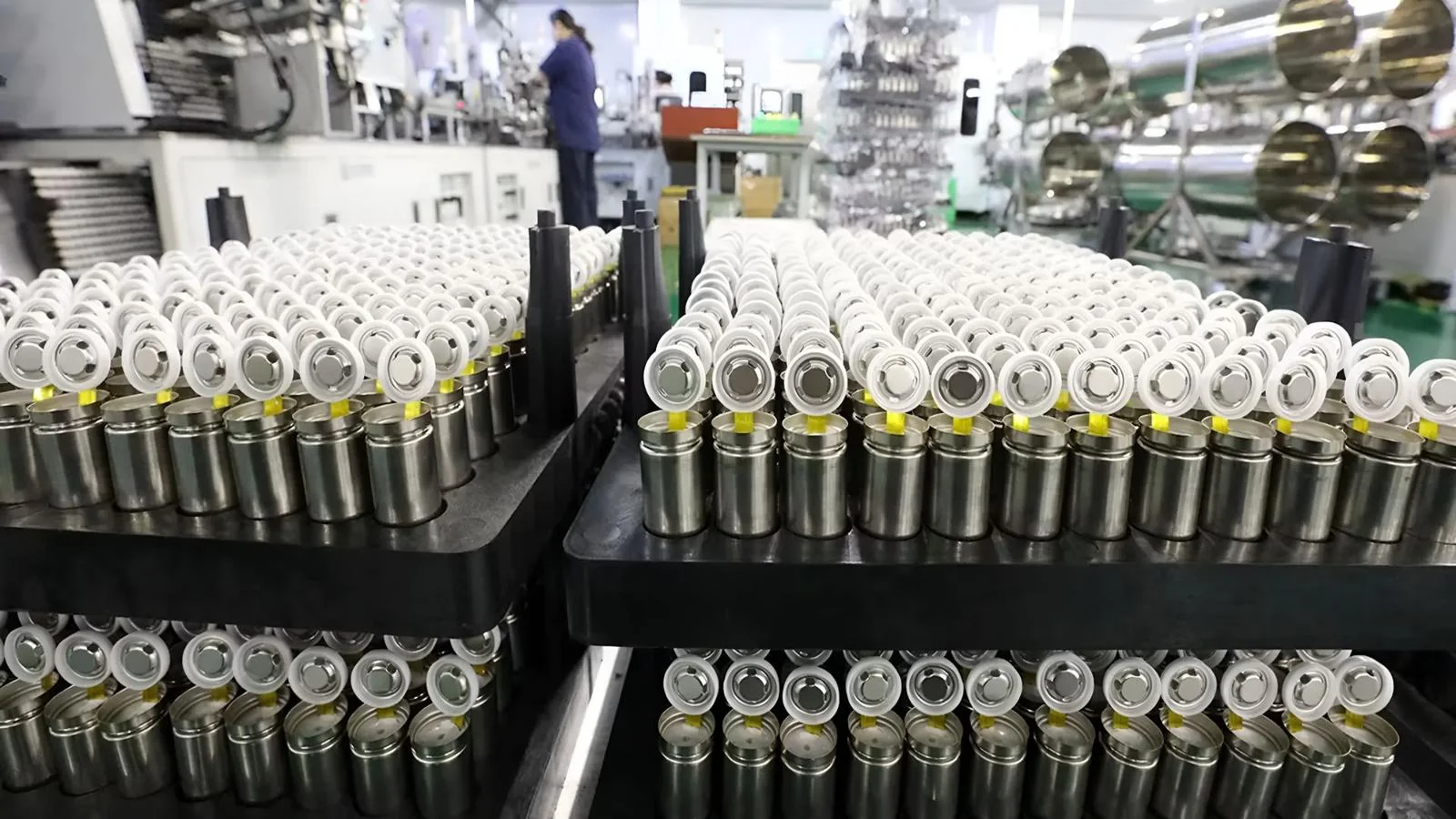
Currently, the enterprise produces batteries with a capacity of 200 megawatt-hours per year. According to the plan, production volume will be increased to 2 gigawatt-hours by 2027.
In the future, the company aims to apply this technology not only to households but also to the electric vehicle industry.