



Apple sues OpenAI for allegedly stealing trade secrets
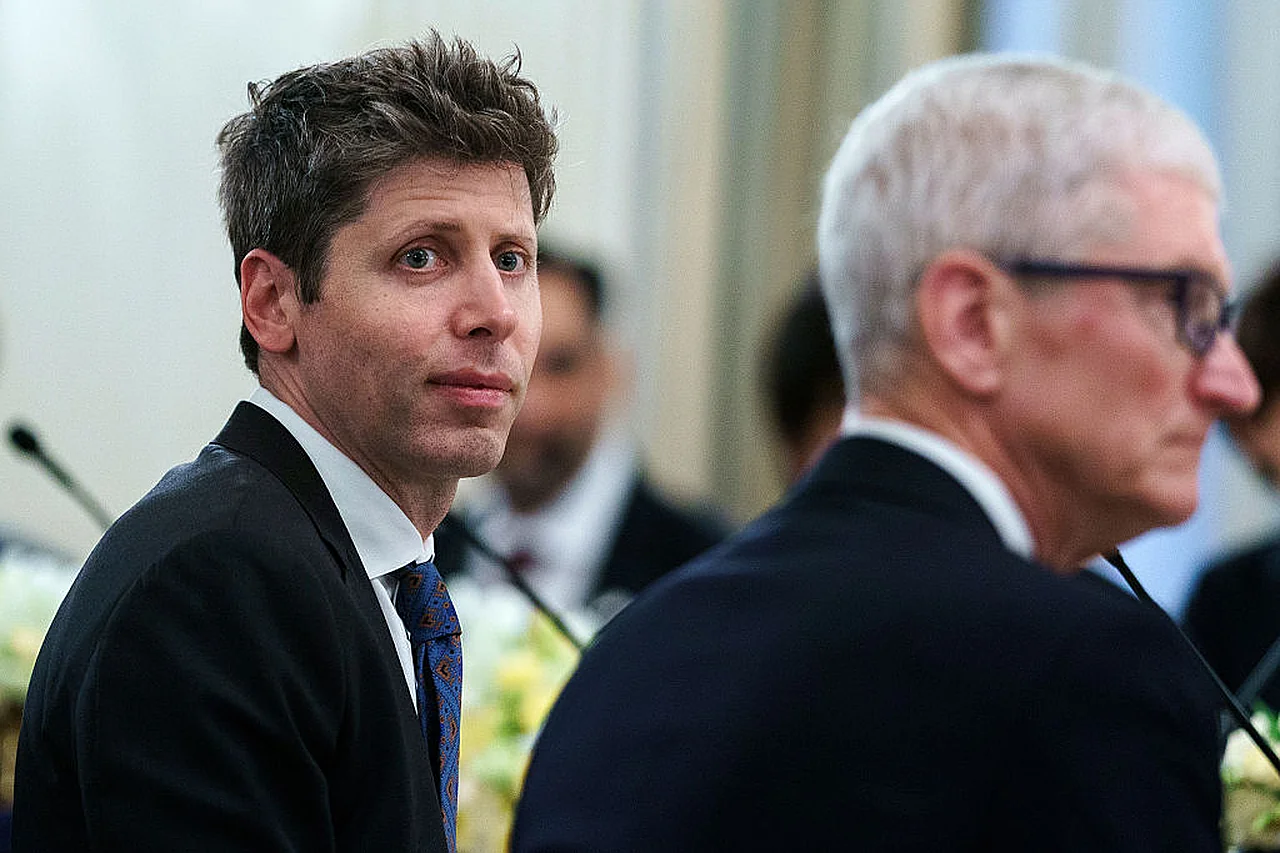
The legal dispute between two major players in the tech world, Apple and OpenAI, has entered a new phase, according to Zamin.uz.
Apple has filed a lawsuit against OpenAI, a leader in the field of artificial intelligence, accusing it of systematically stealing trade secrets. This case is expected to have serious implications not only for the relationship between these two companies but also for talent mobility and intellectual property protection in Silicon Valley, widely regarded as the global technology hub.
Influential publications have reported on the matter. Apple’s approximately forty-page complaint details coordinated efforts by OpenAI to obtain confidential information from former and current Apple employees.
Among the evidence presented in the lawsuit are employee communications, which deserve special attention. For example, one employee reportedly admitted to gaining unauthorized access to network memory and informed others about it.
Such circumstances are considered a serious threat to corporate security systems. According to Apple’s claim, OpenAI did not merely lure talented engineers away—it also allegedly required them to bring along confidential documents and technical developments.
These situations highlight how intense competition has become in the technology sector. Apple aims to prevent the unlawful appropriation of its years of accumulated experience and multi-billion-dollar investments by competitors.
Interestingly, Apple had long acted cautiously in the field of artificial intelligence. However, after OpenAI introduced innovative products that reshaped the market, Apple also announced its own personal intelligent system.
This legal process is being viewed as a strategic move by the company to protect its technological advantage. It could potentially lead to the implementation of new methods for safeguarding innovations.
So far, OpenAI has limited its response to these allegations to brief statements on social media. Company representatives emphasized that they do not seek to obtain trade secrets from other companies.
They stated officially that their focus is on creating innovative technologies that provide opportunities for people around the world. Nevertheless, legal proceedings are expected to be complex and protracted.
Experts suggest that if Apple succeeds in proving its claims, OpenAI could face not only substantial fines but also lose the right to use algorithms developed based on the stolen information—potentially completely altering the balance of power in the artificial intelligence market.
This matter is also significant for users in Uzbekistan, as the future of the devices and services we use in daily life may depend on exactly such legal decisions. For now, the court case continues, and both sides are maintaining their positions.