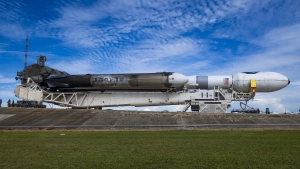



The «Soyuz MS-29» spacecraft docked with the International Space Station
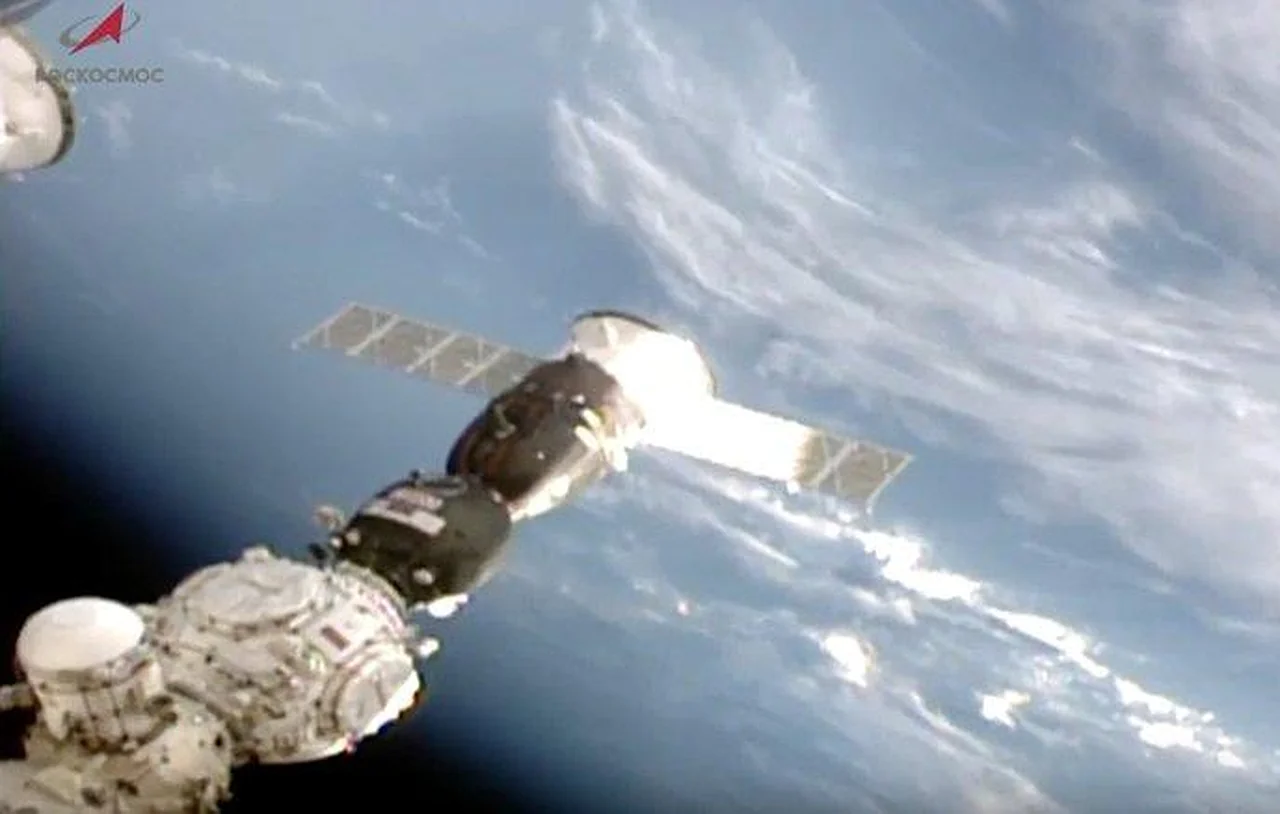
Russia's Soyuz MS-29 manned spacecraft successfully docked with the International Space Station, according to Zamin.uz.
This important mission is of strategic significance for expanding the scope of scientific research on the station and delivering the next long-duration expedition crew to their destination. Details of the event are being reported by industry specialists and news agencies.
According to information provided by the Roscosmos State Corporation, the docking took place at 22:52 Tashkent time according to the scheduled plan. The spacecraft automatically docked with the Prichal nodal module, which is part of the Russian segment of the station.
The procedure is considered one of the most complex maneuvers in orbit and was monitored and controlled with high precision by specialists on the ground. It should be noted that the Soyuz-2.1a launch vehicle carrying the Soyuz MS-29 spacecraft was launched from the Baikonur Cosmodrome at 19:47 Tashkent time on July 14.
The flight proceeded successfully, and after reaching the designated orbit, the spacecraft continued its approach to the station. This stage of the mission stood out for its precision and technical execution.
Upon arrival at the International Space Station, three experienced specialists joined the crew of the seventy-third long-duration expedition. The crew includes Roscosmos cosmonauts Pyotr Dubrov and Anna Kikina, as well as NASA astronaut Anil Menon.
This international crew will work aboard the station for several months, carrying out the complex tasks assigned to them. Crew members are scheduled to conduct dozens of scientific experiments related to biology, physics, and technological processes onboard the station.
In addition, they will regularly monitor the technical condition of the station and perform important tasks related to preparing for and conducting spacewalks when necessary. Such flights carried out within the framework of international cooperation serve to strengthen ties between nations on the path of exploring space.
In the next stage, the cosmonauts will open the hatches and proceed with the transfer from the spacecraft into the station. This procedure is carried out after pressure equalization, strictly observing safety protocols.
Representatives of the industry emphasized that all systems are functioning normally and that the crew members are feeling well. This mission attracted special attention from the local public and observers, as it was launched from the Baikonur Cosmodrome — the largest spaceport in the region near Uzbekistan.
Such major achievements in space technology are of great importance not only for world science but also for the regional scientific community, inspiring new endeavors.