


Four zeros removed from the rial in Iran
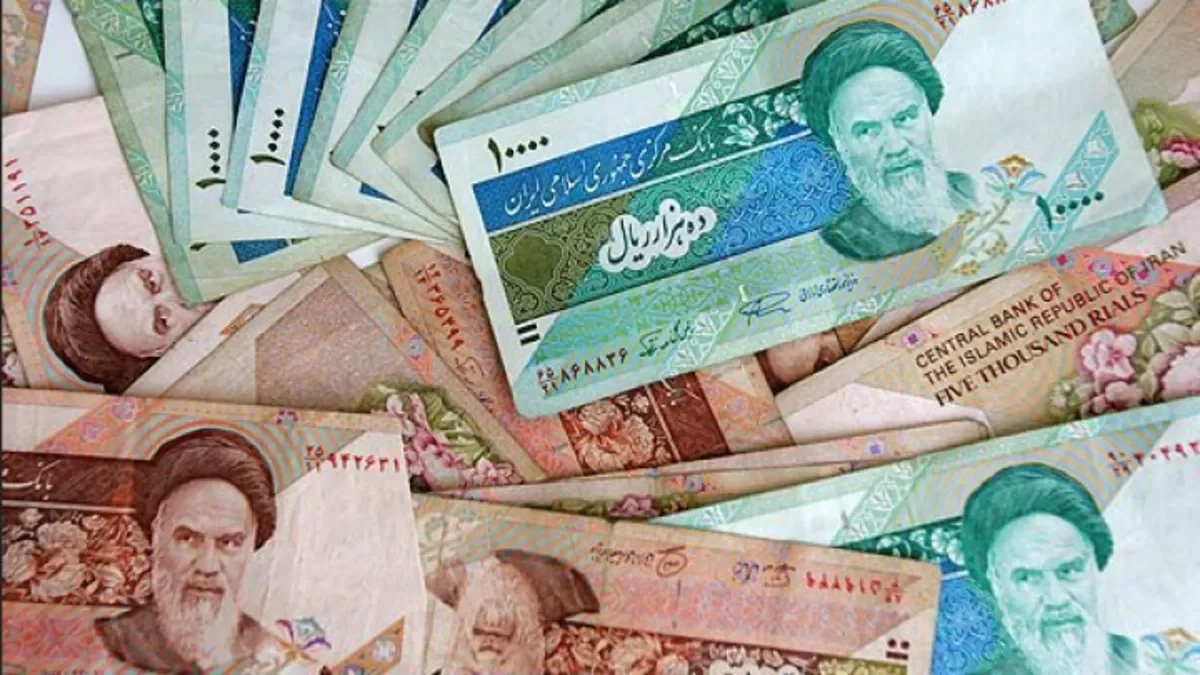
A new decision aimed at reforming Iran's national currency – the rial – has officially come into effect. This was reported by Zamin.uz.
This change is of significant importance for the country's financial system, as it involves the denomination of the rial. In other words, four zeros will be removed from the rial.
According to the new system, 10,000 rials will now be accepted as 1 rial. Additionally, a new unit called the qiran will be introduced into circulation.
The qiran is equal to one hundredth of a rial and is expected to play an important role in future calculations. This reform will be implemented gradually over a three-year transition period.
During this time, both old and new rials will circulate simultaneously. This approach is aimed at helping the population adapt to the new system and maintaining market stability.
The draft law on denomination was approved by the parliament in October 2024. Intense discussions took place among deputies during the process.
In the end, 144 deputies voted in favor of the project, 108 opposed it, and three deputies abstained. This decision reflects the complexity of the economic situation in the country.
The idea of reforming the rial was first proposed in 2019. Since then, the project has been reviewed several times.
In 2024, the Central Bank proposed changing the name of the rial and reintroducing the historical currency – the toman. However, this proposal did not receive sufficient support in parliament and was rejected.
Currently, Iran operates with two different exchange rates: official and unofficial. According to the official rate, 1 US dollar equals 42,000 rials.
However, due to sanctions and currency restrictions, the unofficial market rate has exceeded one million. This has increased demand for the dollar and intensified inflation.
According to data from September 2025, the consumer price index reached 45.3 percent. According to World Bank reports, the inflation rate was 32.5 percent in 2024.
The denomination of the rial is being carried out to restore public confidence in the financial system, simplify economic calculations, and achieve long-term stability. Experts believe that if the process is managed correctly, it could open new opportunities for Iran's economy.