



Artificial intelligence misled the court with forged documents
Although technological advancements make our lives easier, they sometimes bring unexpected problems. This was reported by Zamin.uz.
An incident in India serves as an example. Fake documents created by artificial intelligence caused issues during a court trial.
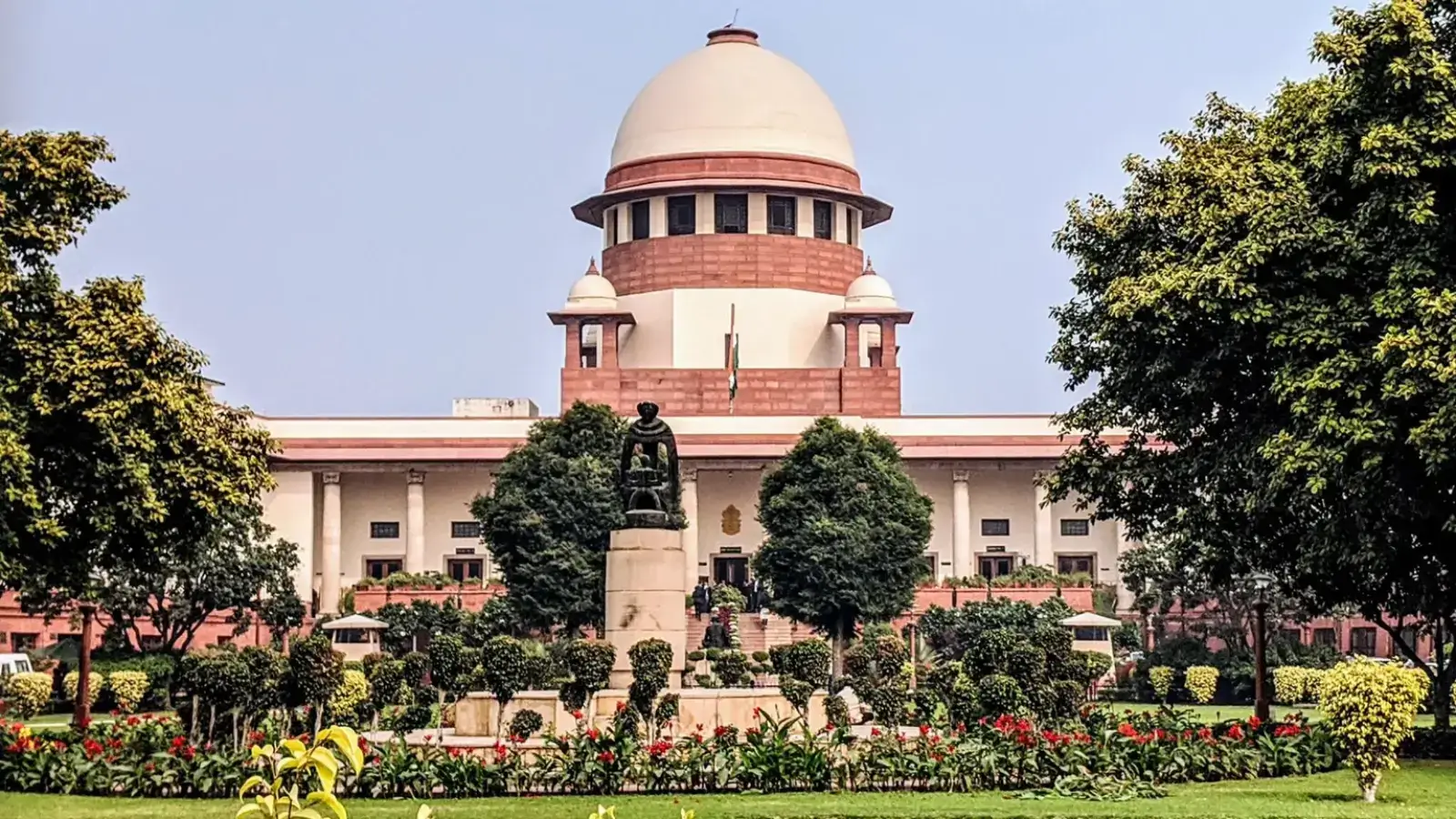
The Supreme Court of India decided to review the decision of a court in the state of Andhra Pradesh. This situation was assessed as an "institutional concern" because false information undermined the integrity of the judiciary.
The incident in the city of Vijayawada last year showed that a young judge relied on four fake court documents while making a decision in a real estate case. These documents did not exist in history and were fabricated by an artificial intelligence system.
Generative artificial intelligence systems can sometimes present false information as truth. Initially, the Supreme Court considered the judge's mistake to have been made with "good intentions."
However, after another appeal from the defendant's side, the high court took the situation more seriously and classified it as a disciplinary violation. The execution of the decision regarding the property dispute was temporarily suspended, and the court emphasized the necessity of human oversight.
India announced a "white paper" to address this issue. It established safe boundaries for the use of artificial intelligence by lawyers and court staff.
This incident highlighted the need to pay attention to important issues in the fields of technology and law. As technologies develop, it is essential not to forget the importance of human supervision and responsibility.