



Renewable water in Central Asia decreased by 12%
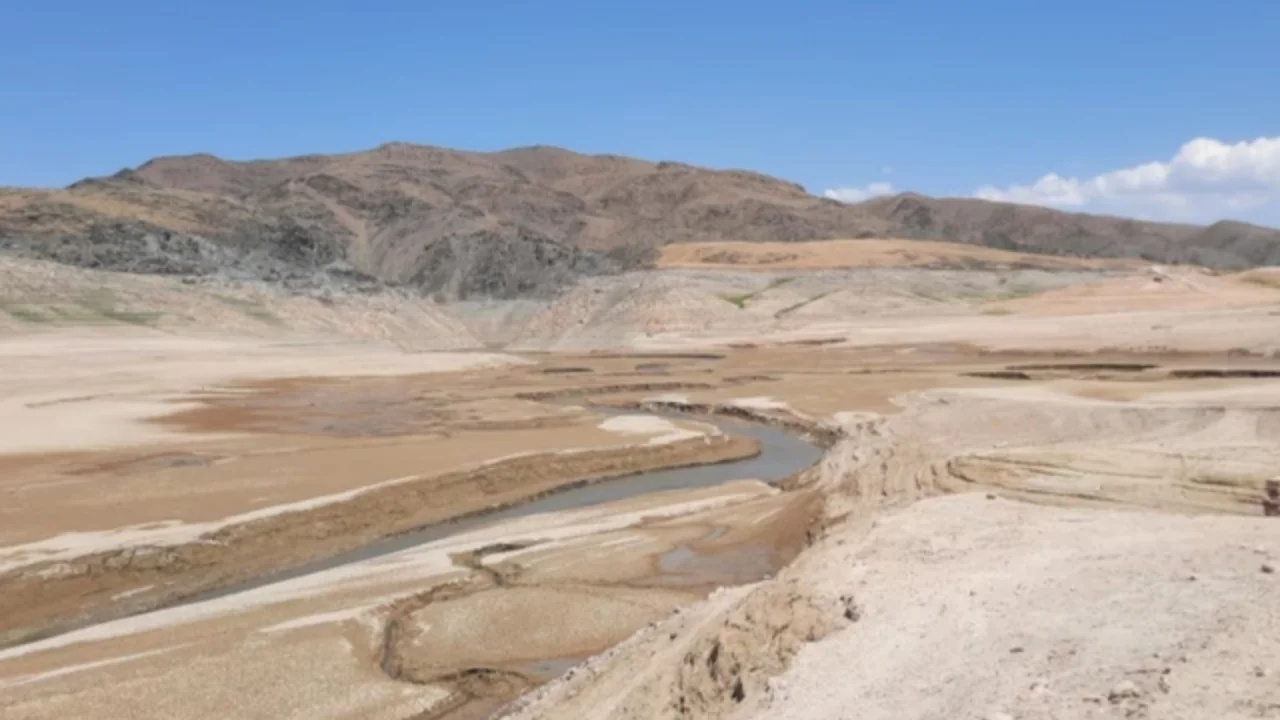
According to a new analysis released by the United Nations Food and Agriculture Organization (FAO), the volume of renewable freshwater resources per capita worldwide continues to decline sharply. This was reported by Zamin.uz.
In the last decade, this indicator has decreased by another 7 percent. Experts believe that this decline is related to water sources renewed annually through the natural hydrological cycle.
According to FAO data, renewable water resources per capita in Central Asia have decreased by 12 percent since 2015. This is considered one of the most concerning trends globally.
The "water stress" indicator plays an important role in assessing water scarcity. This indicator represents the percentage of water withdrawal relative to available resources.
Water stress levels in Central Asia are high, mainly due to extensive water use for agriculture. In the region, 82 percent of available water is consumed specifically for agricultural needs.
Nevertheless, the FAO report notes positive changes in water resource management in Central Asia. For example, freshwater withdrawal decreased by 9 percent between 2015 and 2022.
Additionally, the water stress level dropped from 76.8 percent to 70.2 percent, indicating increased efficiency in water use in the region. However, pressure on water resources is intensifying globally.
In 2022, the average global water stress level was 18 percent, although in some regions this figure is much higher. For instance, water stress reached 121 percent in North Africa, 76.7 percent in South Asia, 70.2 percent in Central Asia, and 65.1 percent in West Asia.
Experts emphasize that these figures show that the replenishment of existing water resources throughout the year does not meet the amount of water withdrawn. This situation poses a serious threat to ecosystems, agriculture, and economic stability.
Today, agriculture remains the largest water-consuming sector. However, in Europe and North America, only 34 percent of water is used for agriculture.
At the same time, nearly half—47 percent—of global industrial water consumption occurs in these regions. While the FAO report notes positive changes due to efficient water use in some areas, the high water stress in arid regions highlights the need for long-term strategies and sustainable management measures.