


Lavrov: NATO's future and the Greenland issue are at risk
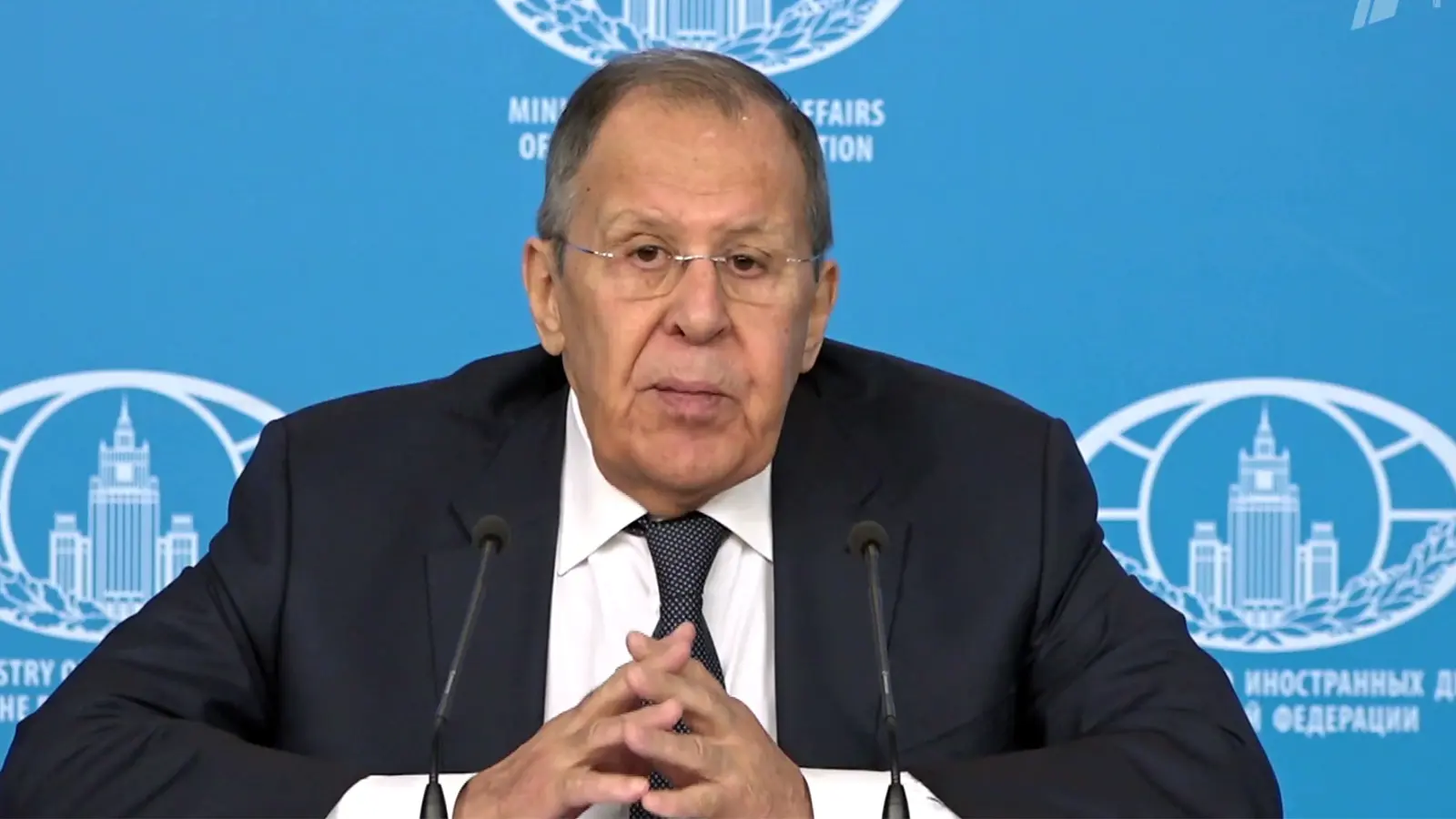
Russian Foreign Minister Sergey Lavrov made statements on a number of important issues during a press conference dedicated to the results of diplomatic activities in 2025. This was reported by Zamin.uz.
In Lavrov's speech, topics such as the future of NATO, the situation in the Arctic, the war in Ukraine, and relations with the United States were raised. Lavrov emphasized that the US claims regarding Greenland indicate serious signs of crisis within NATO.
According to him, this situation casts doubt on the alliance's ability to remain a unified military-political bloc. He also described Denmark's control over Greenland as a legacy from the colonial era and stressed that Greenland is not a natural part of Denmark.
Lavrov expressed cautious positive attitude towards Donald Trump's "Peace Council" initiative. Although this council was established to find a solution to the Israel-Hamas war in Gaza, it was noted that it could have broader authority to address global crises.
Russia stated that it is studying this initiative and awaiting additional information from Washington. Speaking about the situation in Ukraine, Lavrov approved Trump's peace proposals but criticized Western countries' attempts to modify these proposals.
Lavrov emphasized that Moscow remains firm in protecting its interests and will not allow the Kyiv regime to rearm. The issue of Venezuela was also discussed.
Lavrov condemned US interference in Venezuela's internal affairs and called these actions a blatant military aggression. He also mentioned that Moscow is still awaiting a response from the US regarding the tanker and sailors under the Russian flag.
The "New START" treaty on nuclear arms control was also discussed. According to Lavrov, the treaty is nearing expiration, but the US has not made a decision on its extension.
In conclusion, Lavrov's statements demonstrated Moscow's firm position on the international stage. While Russia continues to protect its interests, it also showed that it does not close the door to dialogue with the United States.