



Strong solar flares pose a threat to Earth
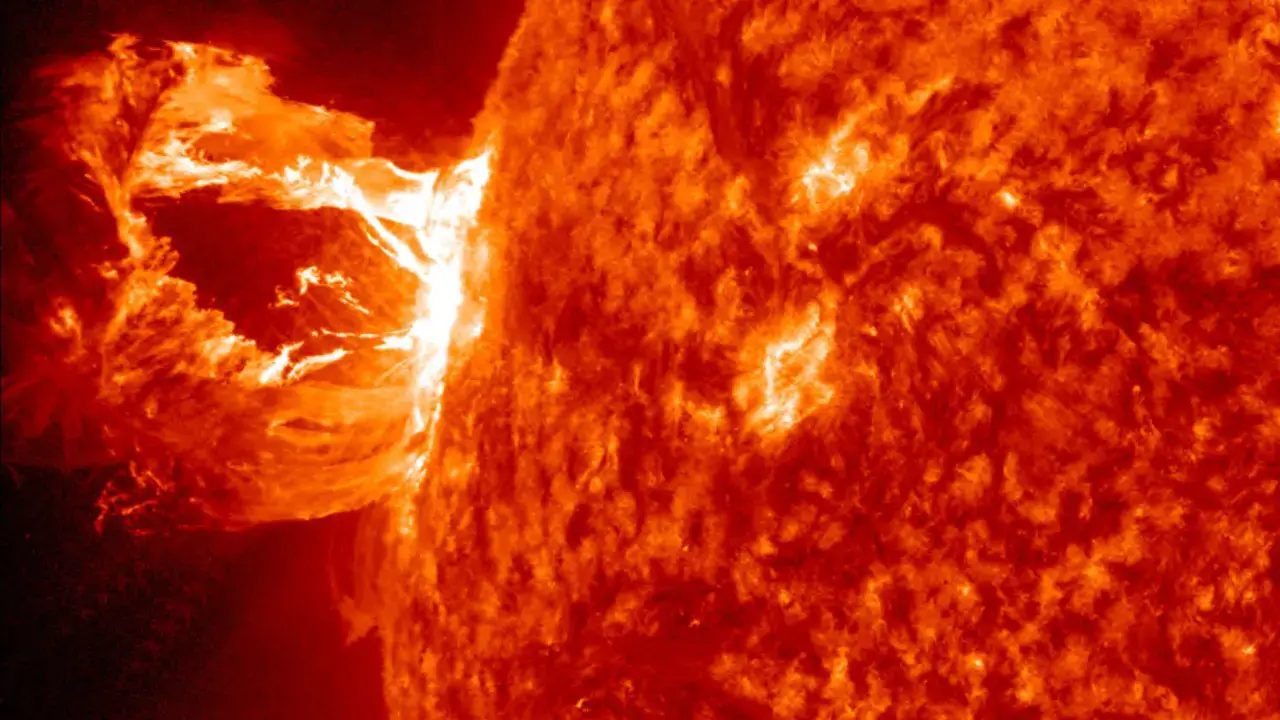
On February 2, NASA and the US space weather services issued a warning about a sharp increase in solar activity. This was reported by Zamin.uz.
According to the information, sunspot number 4366, rapidly expanding on the Sun's surface, caused four strong flares of category X on that day. The strongest flare was recorded on the evening of February 1 at X8.1 level, considered the brightest flare since October 2024.
Experts believe that such flares may continue during the first week of February. Flares belonging to category X can negatively affect radio communications, power grids, and navigation systems, as well as pose a risk to space technology and astronauts.
Due to ionization of the upper atmosphere by ultraviolet and X-rays, R3-level radio communication disruptions were observed over the South Pacific. Additionally, problems occurred in shortwave communication systems in eastern Australia and New Zealand.
Furthermore, the plasma cloud resulting from the flares is expected to approach Earth around February 5. This may lead to the appearance of auroras at lower latitudes.
Experts continue to monitor these events.