

European Intelligence: The War in Ukraine Will Not End Soon
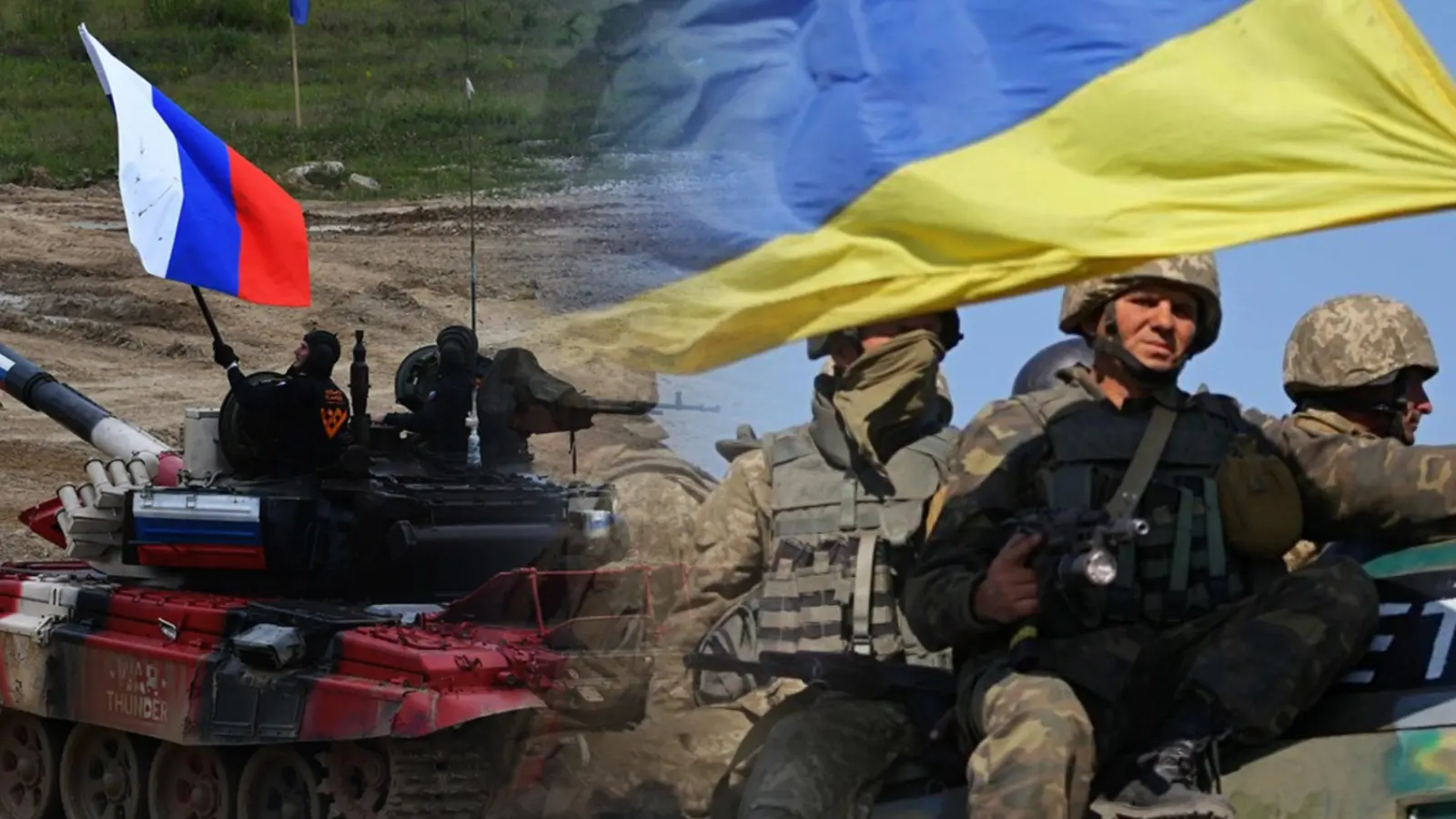
The heads of five European intelligence services are skeptical about predictions that the war in Ukraine will end soon. This was reported by Zamin.uz.
In comments to Reuters agency, they emphasized that hopes for the war to conclude as early as 2026 are unfounded. According to them, the negotiations mediated by the US are more of a performative process and may not lead to real results.
Sources indicate that European countries are concerned about Russia's main objectives. Russia is striving to gradually implement its strategic plans rather than quickly reaching a peace agreement.
According to some assumptions, Moscow's goals include creating a neutral buffer zone regarding Ukraine and replacing the Kyiv leadership. When discussing the upcoming negotiations in Geneva, it is said that Russia is trying to conduct talks on two fronts.
The first front involves narrow agreements related to the war, while the second includes discussions with the US about easing sanctions and economic issues. At the same time, no agreement has been reached between the parties on territorial matters.
Russia demands the withdrawal of Ukrainian forces from parts of Donetsk still under Ukrainian control, but Ukraine does not agree to this. The White House, however, has expressed a contrary opinion to the assessments of European intelligence services.
They emphasize that criticism expressed through unknown sources does not help the peace process. Also, the idea that "the war will not end soon" does not mean "there is no hope."
Some intelligence chiefs highlight that Russia's economy may face serious financial difficulties in the second half of 2026. In conclusion, European intelligence services advocate maintaining caution in the future.
According to them, as negotiations aimed at ending the war continue, important issues such as territorial matters, security guarantees, and sanctions remain unresolved. This means that achieving a real agreement will require much more time and effort.