


A secret meeting took place in Florida between the USA and Russia.
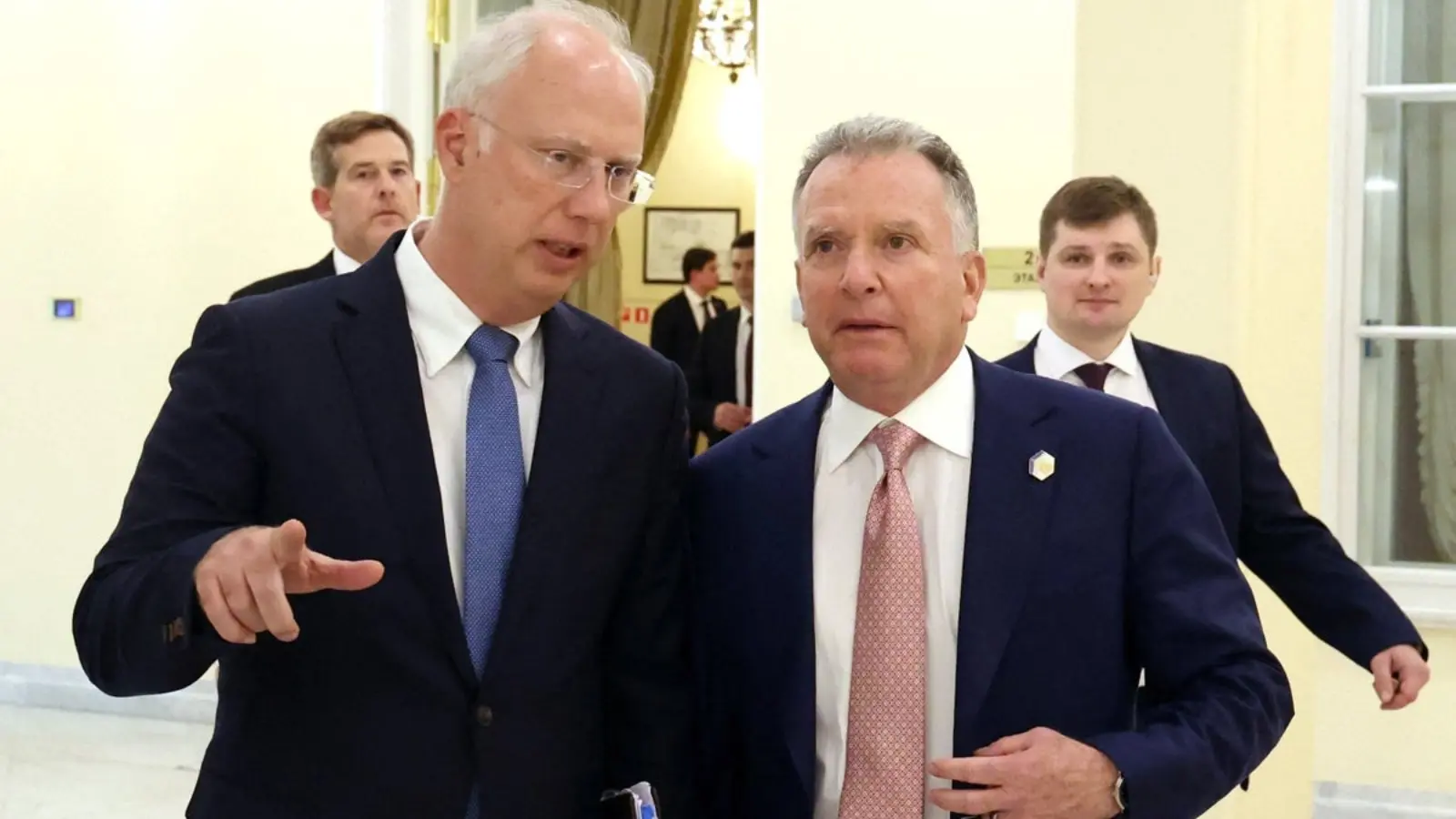
While global attention is focused on conflicts and war flames in the Middle East, an unexpected and highly significant diplomatic meeting took place in a quiet region across the ocean. Zamin.uz reported on this.
Representatives of the United States and Russia engaged in face-to-face dialogue in Florida's peaceful environment, seeking ways to overcome the global crisis. The behind-the-scenes details of these mysterious negotiations remain intriguing for the general public.
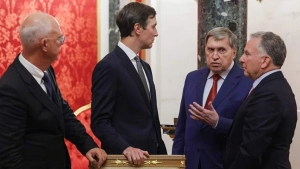
On Wednesday, March 11, US Special Envoy for Ukraine Affairs Stephen Witkoff announced important news via social media. According to his information, a direct meeting with the Russian delegation took place in Florida.
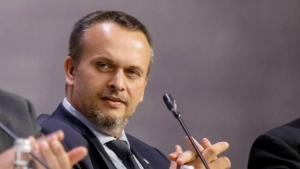
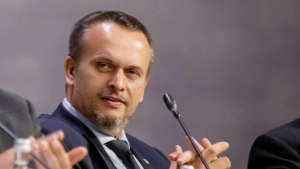
The Russian side was led by high-ranking state official Kirill Dmitriev, while the American delegation included White House close advisor Jared Kushner and Federal Procurement Commissioner Josh Gryunbaum. The main reason for this visit is linked to a serious crisis in the oil market.
As a result of armed clashes between Iran and Israel, the Strait of Hormuz, considered a major artery through which more than half of the world's oil reserves pass, has nearly been closed. This led to a sharp increase in gasoline and fuel prices.
To stabilize the situation, the United States temporarily allowed Russian oil to be shipped via tankers to India. The issue of easing energy sanctions imposed on Russia was also placed on the agenda.
According to Stephen Witkoff, the meeting held in Florida could be a new step towards ending the war in Ukraine. Trilateral large-scale negotiations involving representatives of Russia, Ukraine, and the US are planned for the second half of March.
Although Russian representative Dmitriev assessed the conversation in Florida as productive, both parties are currently keeping the detailed terms of any agreement confidential. The US pursuing a softer policy towards Russian oil is causing discontent among European allies.
During a video conference meeting of the G7 countries, French President Emmanuel Macron expressed a sharp opinion. He stated that the energy problem in the Middle East is not sufficient grounds to completely cancel price caps and sanctions imposed on Russia.
Interestingly, although former President Donald Trump also participated in this important meeting, there is still insufficient clear information on whether he supported the G7's general position or promoted his own plans. In conclusion, the meeting in Florida shows that the war flames in the Middle East are forcing Washington and Moscow to communicate even on the most complex issues.
It is clear that both sides are ready to switch from the language of sanctions to the language of diplomacy to preserve the global economy and curb the energy crisis. There is no doubt that this process may bring significant changes to world politics in the coming days.