


Trump's Victory Announcement and the Real Situation in the Strait of Hormuz
The geopolitical situation in the Middle East has become even sharper and more complex than expected. Zamin.uz reports on this.
While the White House leader announces victory, events on the ground present a different picture. As the second week of this crisis concludes, the hidden capabilities of both sides are beginning to be revealed.
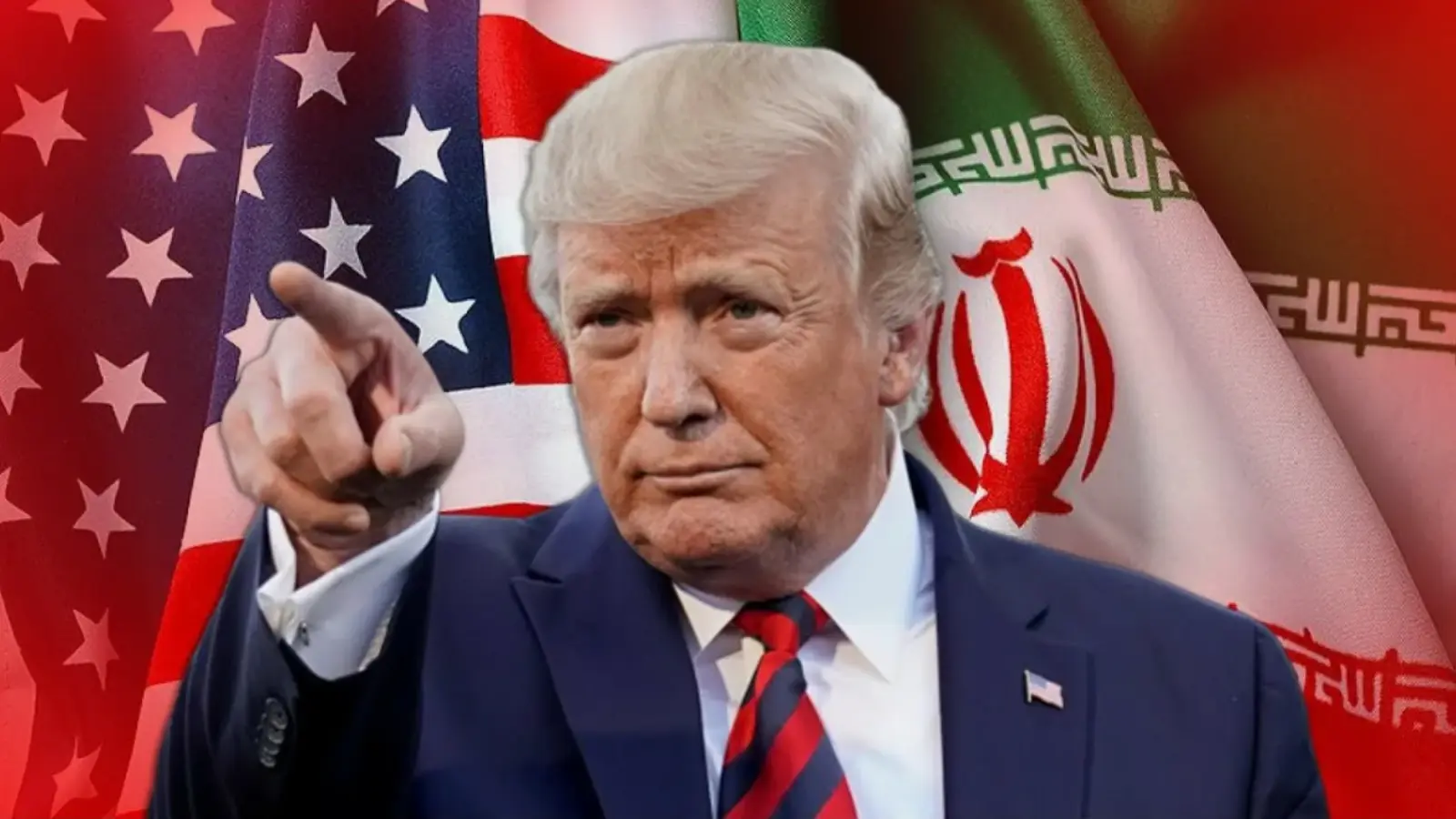
US President Donald Trump, during a meeting with journalists, stated that America has achieved complete superiority over Iran. According to him, everything was resolved within the first hour.
However, there is a significant gap between the White House's firm confidence and the actual situation. If Iran's military forces were truly crushed, why is the Strait of Hormuz, through which one-fifth of the world's energy resources pass, still closed?
The US's massive aircraft carriers are hesitant to approach the Iranian coast and remain at a safe distance. The issue of the base in Romania also seems to recall preparations for long-term and dangerous defense rather than victory.
Iran, which has lived under severe sanctions for decades, demonstrated its unexpected military potential. Underground missile cities located deep in the mountains and each province's ability to fight independently have caused great difficulties for the enemy.
The new Supreme Leader Mojtaba Khomeini, in his very first statement, demanded compensation from the US for damages and set as a goal the destruction of American bases in the region. Although Iran's large ships have been sunk, a swarm fleet consisting of thousands of unmanned boats and drones still poses a threat.
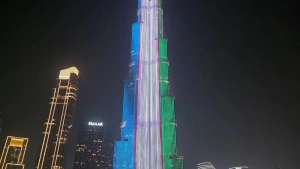
Crisis at oil depots and ports, as well as damages inflicted on the financial center in Dubai, demonstrate the deep impact of the war. Iranian missiles and drones are easily penetrating even Israel's most powerful air defense systems.
These events indicate that the war is not yet over and may lead to even more serious consequences in the future.