Iran turned the holiday into a political protest demonstration.
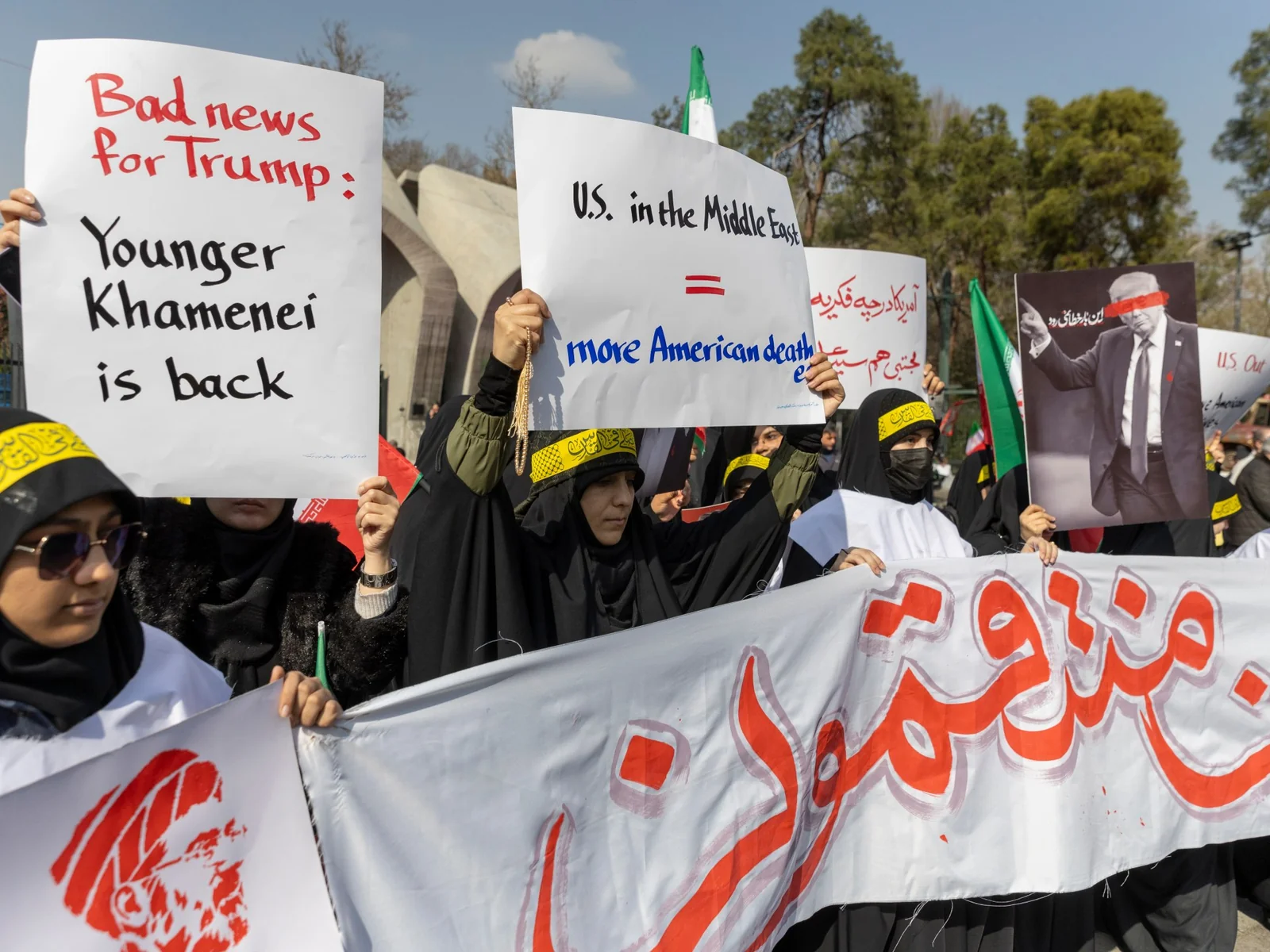
Iranian state media called on citizens to turn this year's Chaharshanbe Suri fire festival into a display of political resistance. This was reported by Zamin.uz.
As part of a state initiative, citizens were asked to create statues of US President Donald Trump and Israeli Prime Minister Benjamin Netanyahu and burn them. This call was announced amid ongoing hostilities with Israel, in the third week of the conflict, aiming to shape public sentiment.
According to international media reports, Tehran officials are amplifying their political statements by linking them to the traditional holiday. At the same time, government representatives in the capital advised residents to exercise caution regarding fireworks and explosives.
They stated that enemy forces could exploit such situations to threaten security. Temporary restrictions were also imposed on lighting traditional large bonfires.
However, state television encouraged citizens to create symbolic effigies from fabric or cardboard and set them on fire. These actions are expected to take place in city squares and main streets.
Security measures have been significantly strengthened throughout the capital. Residents note increased street security during afternoon hours and at night.
Various checkpoints were established by Basij military personnel within the Islamic Revolutionary Guard Corps. Road inspections are being conducted, and military patrols are active.
Government supporters gathered in mosques and public places to convey anti-US slogans to their fellow citizens. In some neighborhoods, organized motorcycle convoys were formed.
The Iranian leadership continues to issue sharp statements regarding the situation on the battlefield. State media extensively covers missile and drone attacks carried out by the Islamic Revolutionary Guard Corps.
Specifically, reports emerged about the successful combat deployment of the long-range Sejjil ballistic missile. Tehran has currently rejected negotiations with Washington and put forward demands for compensation to end the war, along with guarantees against future attacks.
These steps indicate a further complication of the political situation in the region.