


Iranian General Nayini was buried with national honors.
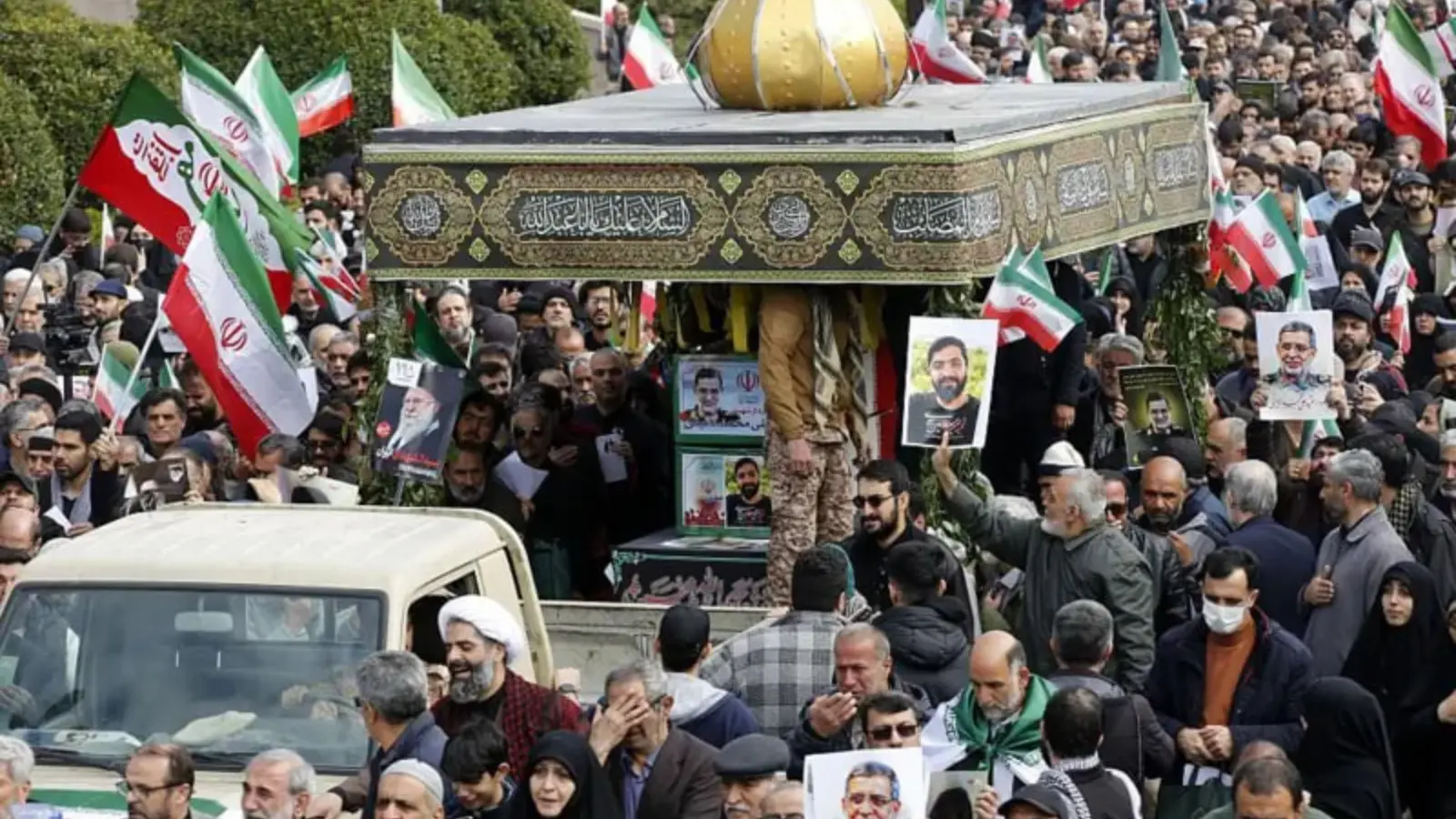
Ali Muhammad Nayini, a high-ranking general of the Iranian Armed Forces who was killed as a result of a joint air strike by US and Israeli forces, has been buried with national honors. Zamin.uz reported this.
During the ceremony attended by state leaders and military commanders, the heroic spirit of those who sacrificed their lives for the homeland was highly praised. The situation in the Middle East has been escalating in recent days, plunging the entire region into an extremely dangerous state.
Reports of strikes launched by the US and Israel on Iran's capital, Tehran, as well as other strategically important areas of the country, have deeply concerned the international community. On Saturday, the Israeli armed forces officially announced that their air force had delivered a precise strike on the Nuclear Research and Development Center located in Tehran.
This facility is of significant importance for Iran's military and technological capabilities, where nuclear components necessary for the defense industry are produced. According to the Israeli army, the center operates within the Malak Ashtar University of Technology and has previously been included in sanctions lists by Western countries.
Iranian officials have also reacted sharply to the situation, emphasizing that the country has entered a new and dangerous phase of war. According to Mohammad Bagher Ghalibaf, the Speaker of the Iranian Parliament, if Israel fails to completely halt missiles from the Dimona area, which is considered well-defended, it will mean that this conflict has entered a new phase.
In his words, the Israeli sky is no longer as safe as before, and this process could be a stage in implementing pre-planned strategies. Regional experts emphasize that mutual strikes and sharp statements are further destabilizing the situation, increasing the risk of a large-scale conflict.
For now, the international community is closely monitoring events. Although opportunities for a diplomatic solution still remain, it is evident that each new strike further narrows these possibilities.
In the future, efforts made for peace and attention to diplomacy may play a decisive role in ensuring regional stability.


![Fransiya Usmonova proposed removing [the name] from the sanctions list](/uploads/mini/web-300/04/e8d7de74763e0760c29bdbfd3d91b77a.webp)