


Iran is intensifying its military campaign and exerting pressure on the Strait of Hormuz.
The military conflict in the Middle East is currently entering a new and serious phase. Zamin.uz reports on this matter.
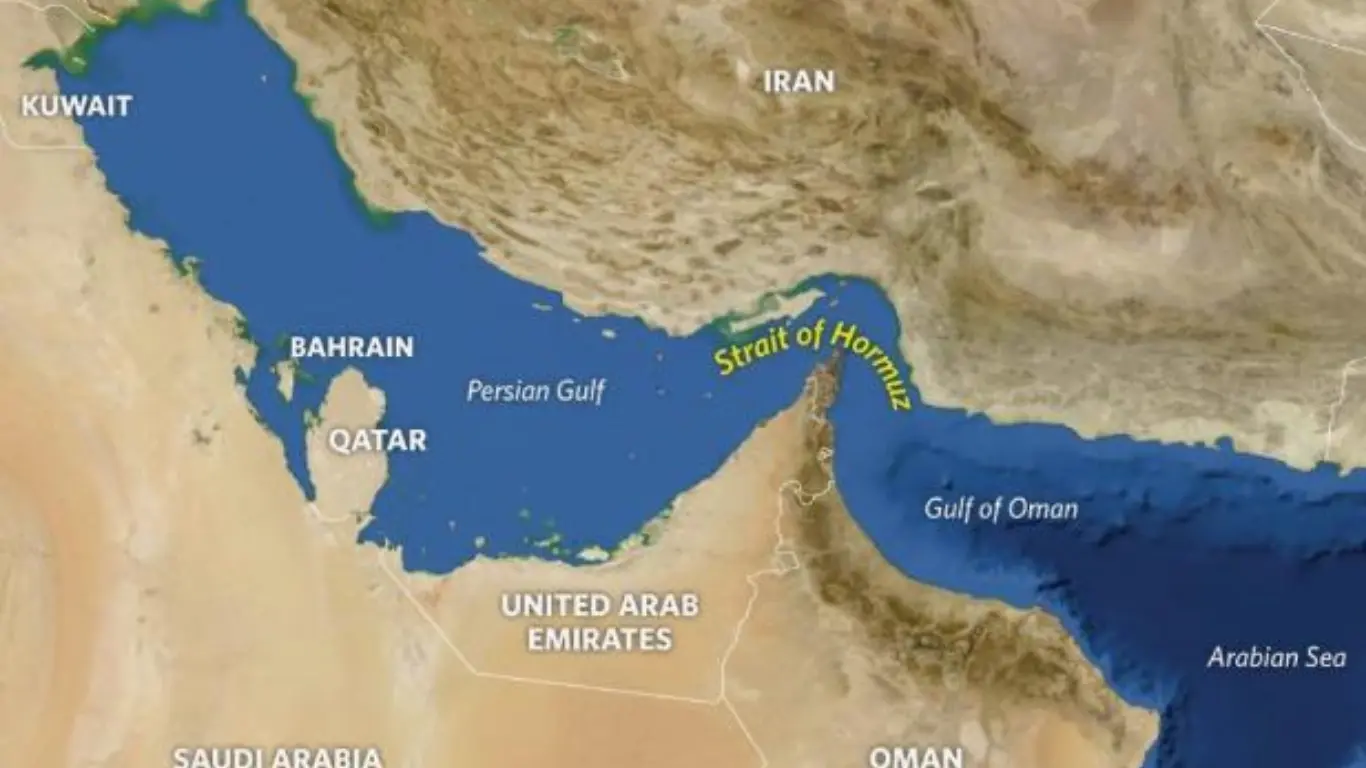
Despite significant sacrifices and losses, the state of Iran continues to firmly maintain its strategic position. Furthermore, measures aimed at exerting pressure through the Strait of Hormuz, which is crucial for global energy security, are being intensified.
According to recent information from The Washington Post, since the war entered its fourth week, Tehran has significantly increased the intensity of military strikes. The Iranian side is exerting pressure by restricting directions vital for fuel and petroleum product deliveries in order to influence its adversaries.
These measures are expected to have an impact not only at the regional but also at the global level. Based on information from various sources, Tehran plans to use this strategy to turn the conflict into a war that is as costly and severe as possible for the United States and its allies.
At the same time, Iranian officials have clearly stated their position that they will not enter into any negotiations until attacks are completely halted. This could somewhat delay the peace process.
According to experts monitoring the region, there is a high probability that using such tactics will seriously affect energy security in the region and international trade routes. In particular, it is clearly evident that restricting or halting oil shipments through the Strait of Hormuz will lead to instability in the global market.
A sharp rise in oil prices and their negative impact on the economy are among the main concerns of observers. These events remain a major test for the world economy and politics.
Every state and international organization must closely monitor the current situation and be prepared for future developments. By observing Iran's decisions and next steps, we can form a clearer opinion on how the conflict will continue.

![Fransiya Usmonova proposed removing [the name] from the sanctions list](/uploads/mini/web-300/04/e8d7de74763e0760c29bdbfd3d91b77a.webp)